


Parvez Ahmed Chowdhury: Synthesizing Aspirin in the Organic Chemistry Lab
Parvez Ahmed Chowdhury, Treasurer at GSTU Research and Higher Studies Society, shared a post on LinkedIn:
“Synthesized aspirin in the lab today
Today I completed an Experiment in my organic chemistry lab: preparing acetylsalicylic acid (aspirin) from salicylic acid.
The reaction: Salicylic acid is acetylated by acetic anhydride, with concentrated H₂SO₄ as the catalyst. The phenolic OH attacks the protonated anhydride’s carbonyl carbon, then acetic acid is eliminated to give aspirin.
Procedure:
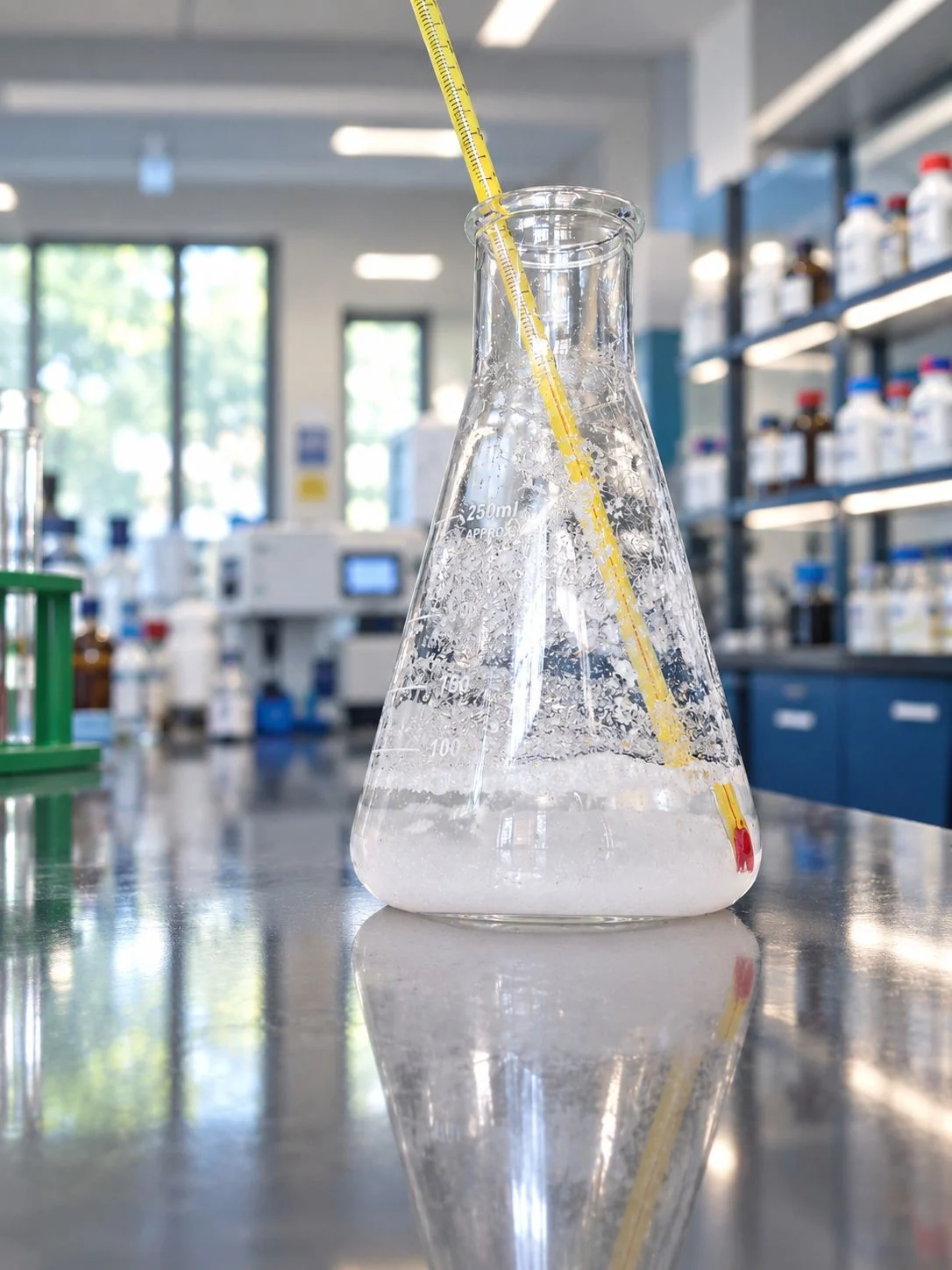
- Mixed 5.0 g dry salicylic acid with 7.5 g (7.0 mL) acetic anhydride in a 100 mL conical flask
- Added 2 to 3 drops of conc. H₂SO₄ and swirled to mix
- Warmed on a water bath at 50 to 60 degree C for about 15 minutes
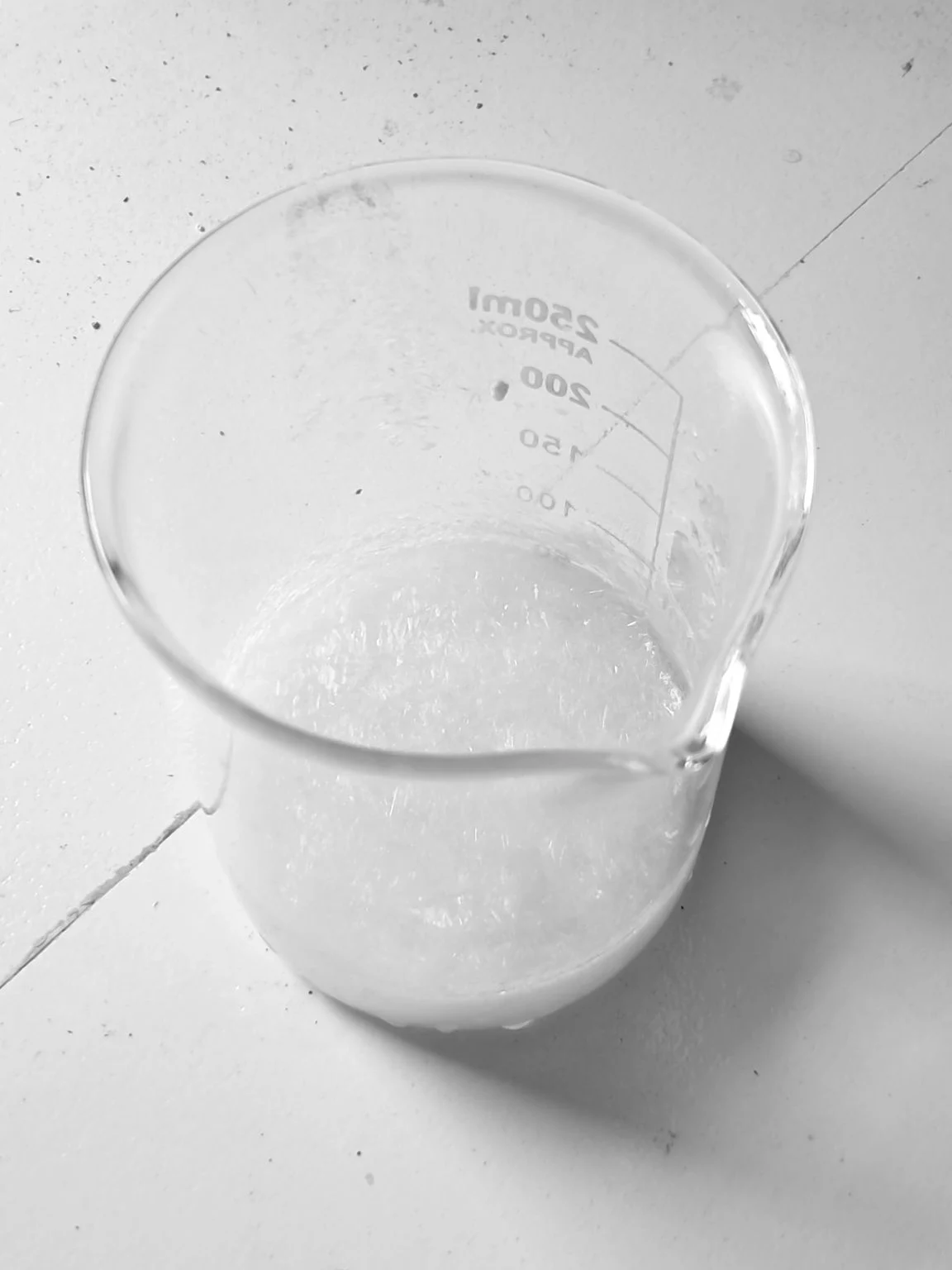
- Cooled, then added 75 mL water to quench the excess anhydride and precipitate the crude aspirin
- Filtered through a Büchner funnel under reduced pressure
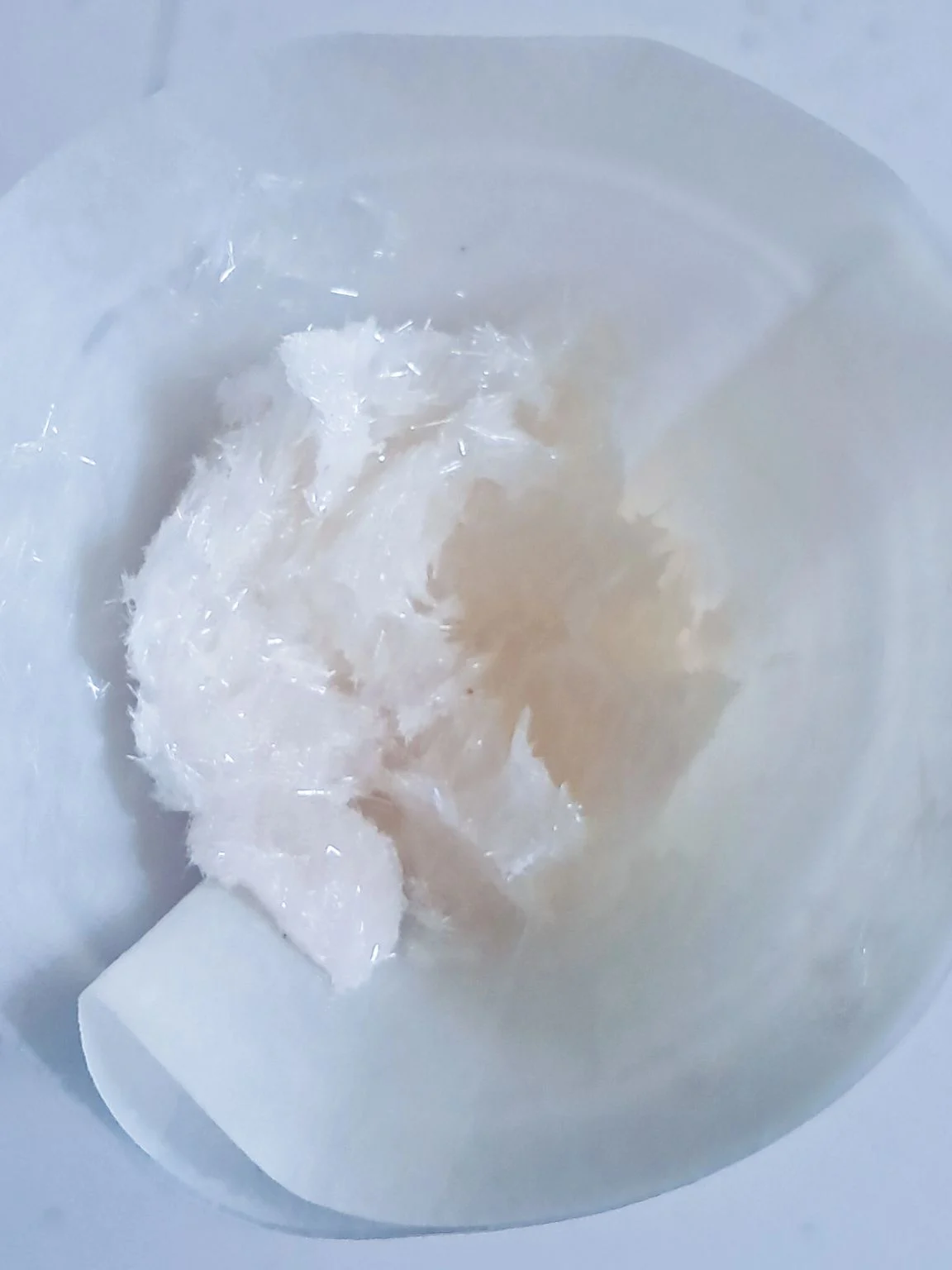
- Recrystallized from 15 mL hot ethanol poured into about 40 mL warm water
- Dried the needle like crystals, then calculated percent yield.
Result: Yield: 91.6 percent
Aspirin is poorly soluble in water, which is why adding water both destroys the leftover anhydride and precipitates the product.
Recrystallization is what turns a crude solid into pure needle like crystals.
Seeing a textbook mechanism turn into real crystals in the flask is the best part of chemistry.”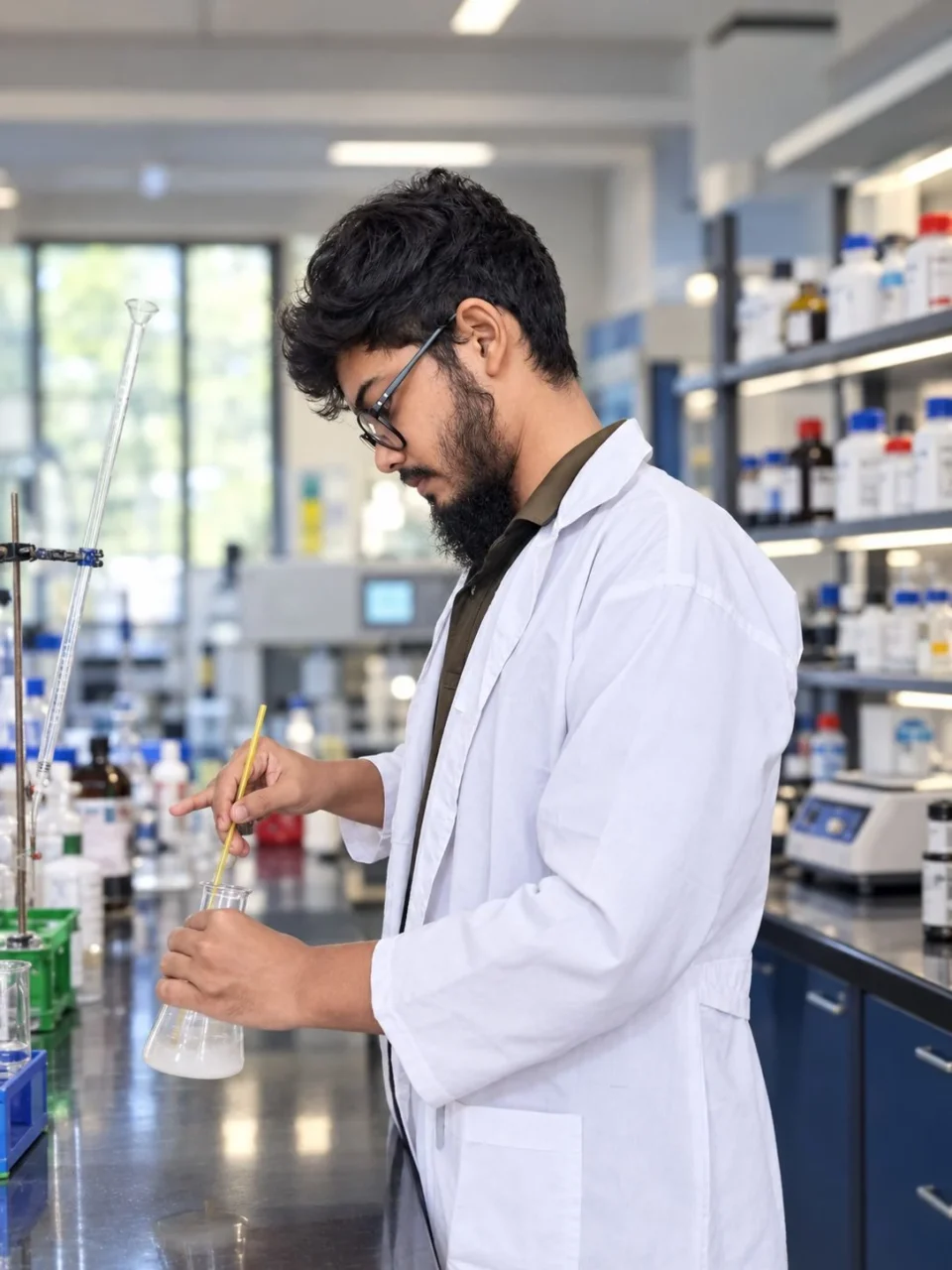
Stay updated with Hemostasis Today.
-
Sep 29, 2026, 03:53Nahrwan Masaoodi: Iron Deficiency Can Exist Without Anemia
-
Sep 29, 2026, 03:38Muhammad Yousaf: Iron Deficiency Beyond Diet
-
Sep 29, 2026, 03:12Ahmed Hamandi: Building the Future of Hematopoietic Transplantation in Iraq
-
Sep 29, 2026, 03:09M V Chandrakanth: Aspirin in CRC – Old Drug, New Precision Oncology?
-
Sep 29, 2026, 03:07Caroline Pothet: Advancing Treatment Development in Sickle Cell Disease and Thalassaemia
-
Sep 29, 2026, 02:53Astha Jain: Thalassemia Care Through a Public Health Lens
-
Sep 29, 2026, 02:50Emma Groarke: Starting a New Career Path in Homeland
-
Sep 28, 2026, 19:14Aditya Sharma: An Outstanding Start to the Final Day of VSS 2026!
-
Sep 28, 2026, 19:07Dhargam Aljebouri: AIHA Subclassification Research Presented at the 14th Iraqi Society of Hematology Conference