


Daniel Sop: Sickle Cell Research Takes Center Stage at ASCAT 2026
Daniel Sop, Senior Research Scientist at Virginia Commonwealth University School of Medicine, shared a post on LinkedIn:
“What a rewarding experience at ASCAT 2026 in London!
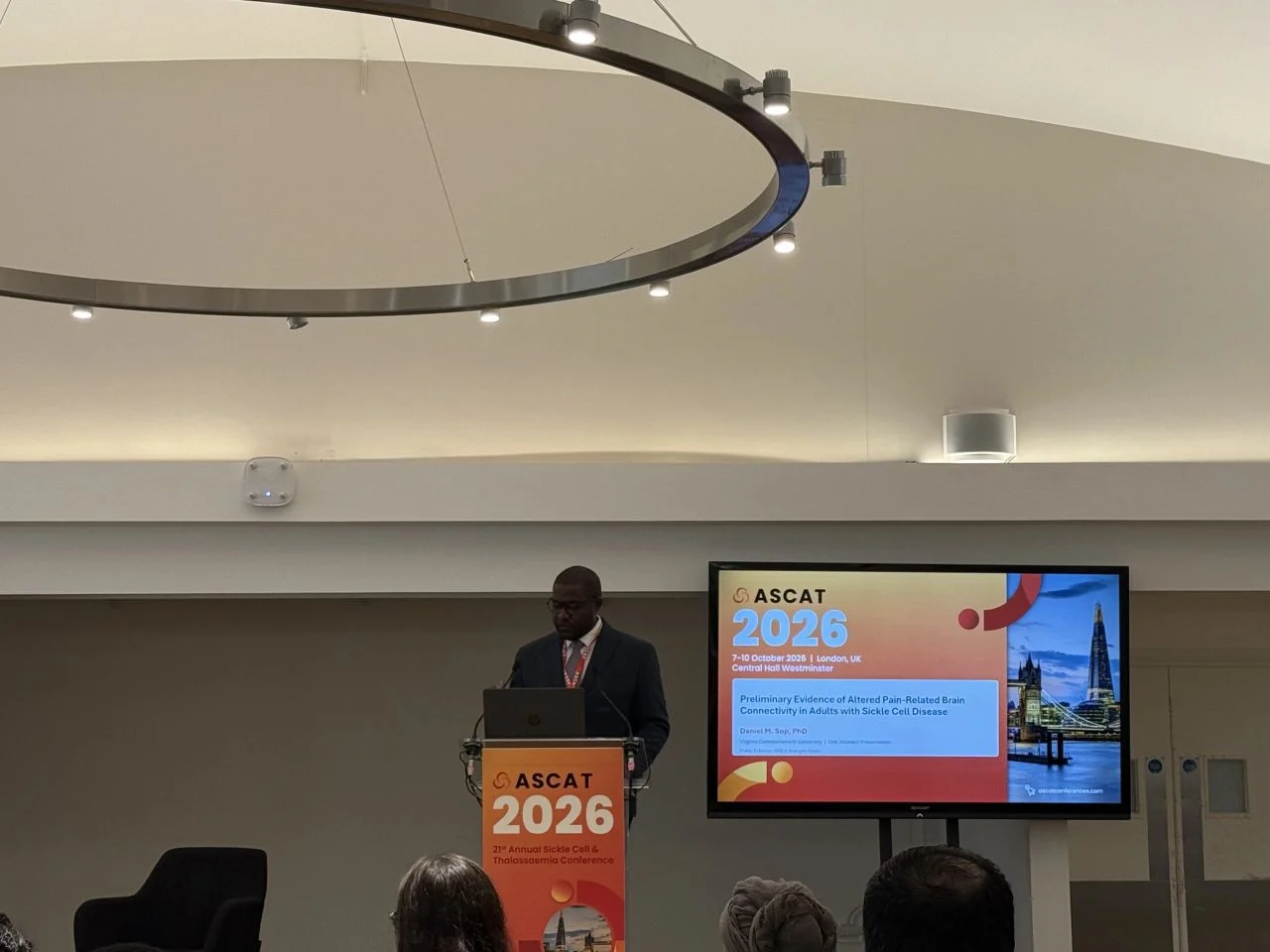
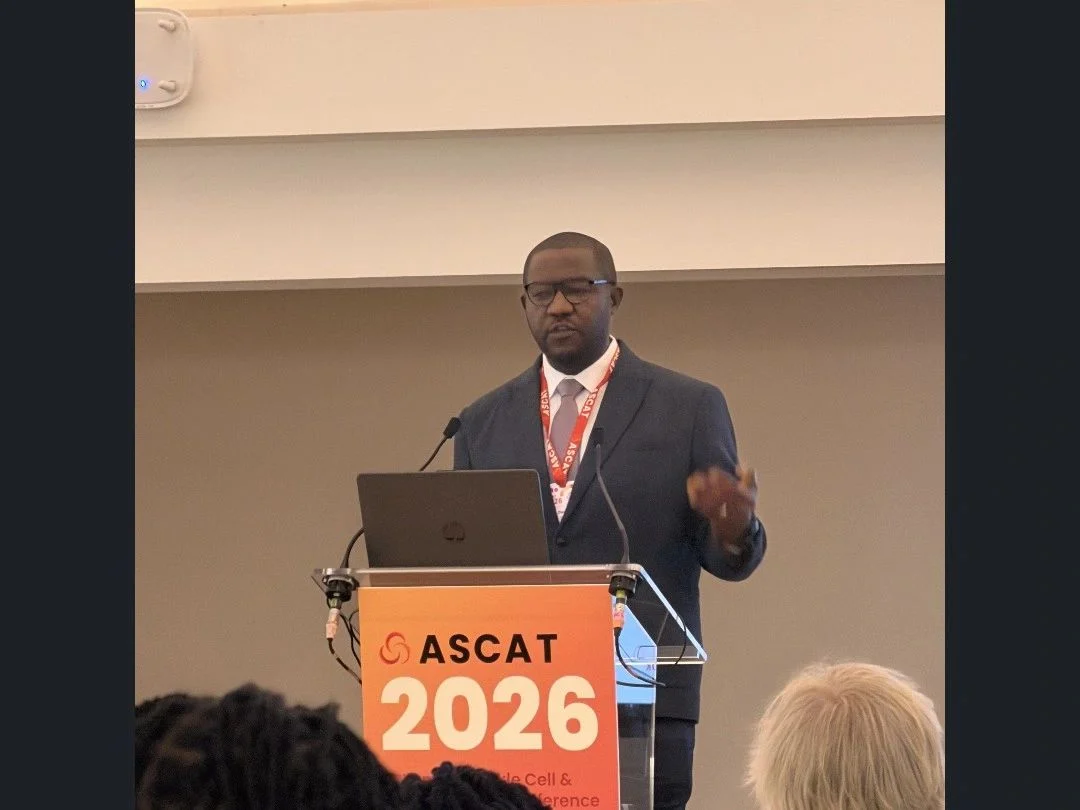
I had the privilege of presenting two research projects at the 21st Annual Sickle Cell and Thalassaemia Conference (ASCAT), highlighting different but interconnected aspects of sickle cell disease (SCD).
Oral Presentation:
‘Preliminary Evidence of Altered Pain-Related Brain Connectivity in Adults with Sickle Cell Disease’
I shared findings from our neuroimaging research examining how SCD may alter communication within brain networks involved in pain processing and modulation.
This work is part of our broader effort to better understand the neurological mechanisms underlying chronic pain in SCD and ultimately inform more targeted approaches to pain management.
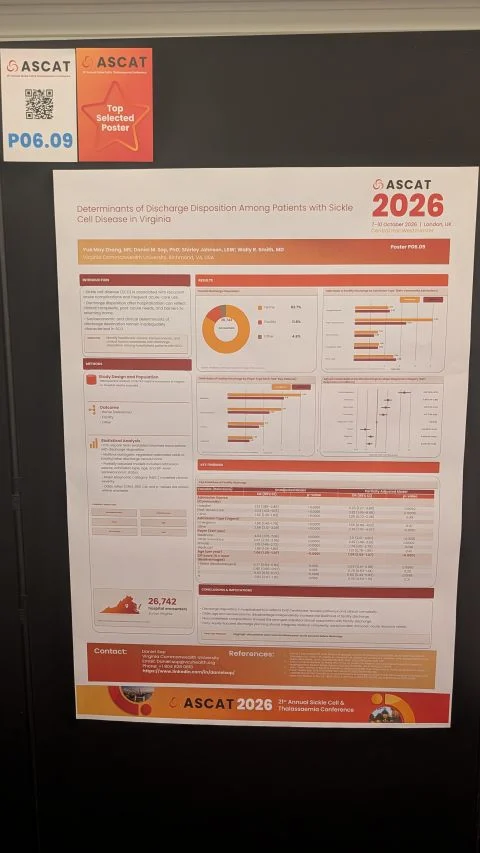
Top Selected Poster:
‘Determinants of Discharge Disposition Among Patients with Sickle Cell Disease in Virginia’
I was especially honored that our poster was recognized as one of the conference’s Top Selected Posters!
This study examined more than 26,000 hospital encounters across Virginia, exploring how clinical and healthcare-related factors influence discharge outcomes for individuals living with SCD.
While these projects approach sickle cell disease from different perspectives—one examining the brain and mechanisms of pain, the other exploring healthcare utilization and outcomes—they share a common goal: generating evidence that can translate into better care and improved quality of life for people living with SCD.
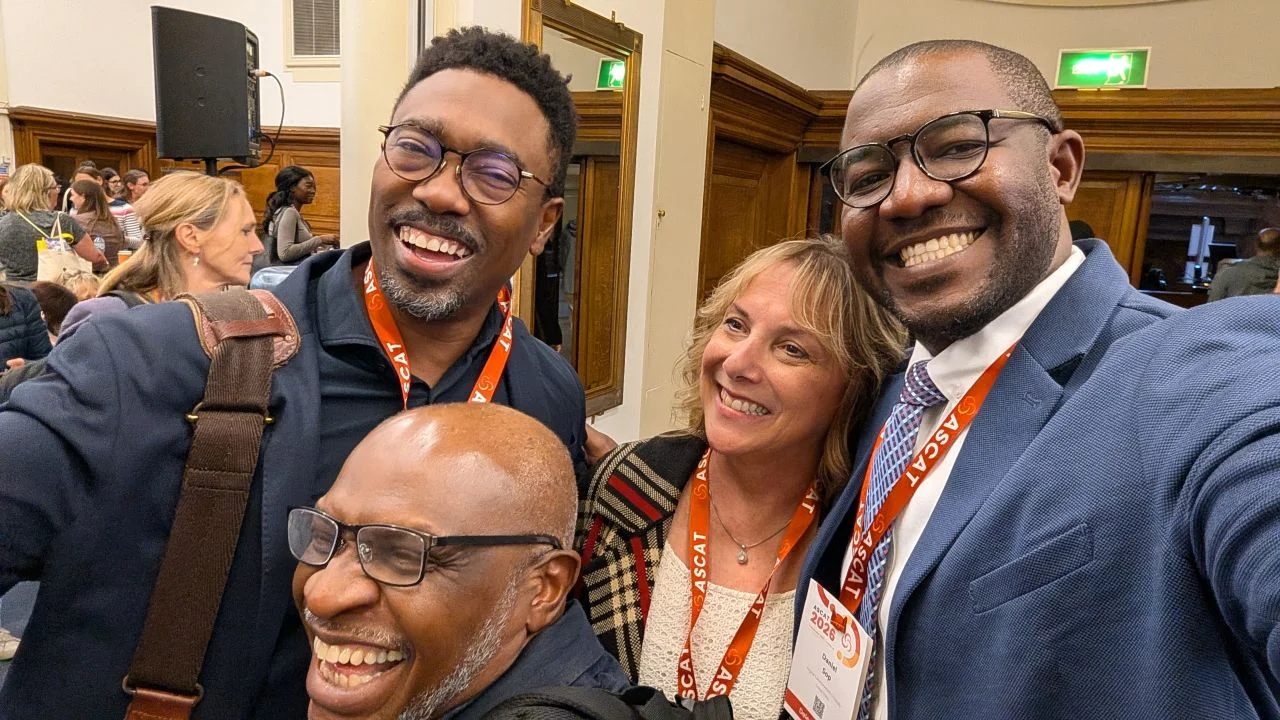
Beyond the presentations, ASCAT provided a wonderful opportunity to reconnect with colleagues, exchange ideas, and engage with researchers and advocates from around the world who share a commitment to advancing sickle cell care.
I’m grateful to my collaborators and colleagues at Virginia Commonwealth University and VCU Health, particularly Dr. Wally Smith and our broader research team, whose continued support and contributions make this work possible.
Leaving London inspired by the conversations, connections, and opportunities for future collaboration.
There is still much work to be done!”
Stay updated with Hemostasis Today.
-
Oct 12, 2026, 12:50Nawsherwan Mohammad: Study Examines Thrombotic Events in Patients with Polycythemia Vera in Iraq
-
Oct 12, 2026, 12:30Chanakya Nayudu: Looking Beyond Blood Clots – Patient-Reported Outcomes in Antiphospholipid Syndrome
-
Oct 12, 2026, 12:12Jean-Jacques Kiladjian: Improving Treatment Strategies with JAK Inhibitors in Myelofibrosis
-
Oct 12, 2026, 12:04Chloe Homich: AABB Annual Meetings – Building Connections and Advancing Transfusion Medicine
-
Oct 12, 2026, 10:36PAI-1 Inhibition as a New Strategy for Enhancing Fibrinolysis and Clot Resolution
-
Oct 12, 2026, 07:39Emmanuel J Favaloro: 100 Years of von Willebrand Disease and the Importance of Local Diagnosis and Management
-
Oct 12, 2026, 07:39Post-Stroke Fatigue Trajectories – 38% Recovered at 12 Months, While 16% Developed New Fatigue – International Journal of Stroke
-
Oct 12, 2026, 07:28Beth Sara: IBMS Specialist Portfolio Achievement and a New Role in Transfusion Practice
-
Oct 12, 2026, 07:28Abdul Mannan: PCC vs. aPCC – The Small ‘a’ That Changes Emergency Management