


Arun V. J.: Clinical Audits and Transfusion Quality Improvement
Arun V. J.,Specialist at MVR Cancer Centre and Research Institute, Member of International Society of Blood Transfusion (ISBT) and ADRP: The Association for Blood Donor Professionals, Doctor at Malabar Medical College Hospital and Research Centre, shared a post on LinkedIn:
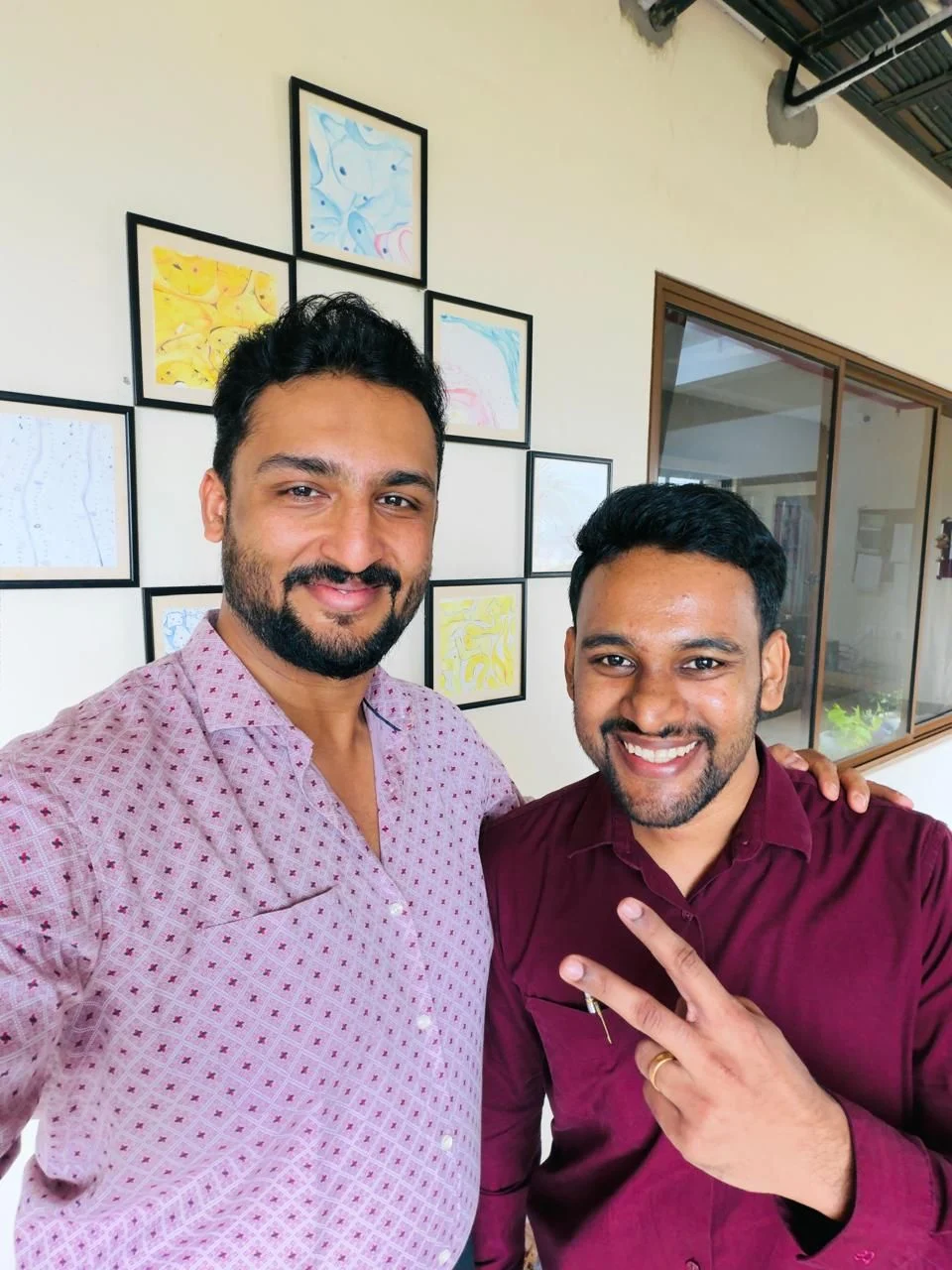
“This is Harris, Professor of Surgery, and a few weeks back the two of us had a proper falling out over a patient’s Hb threshold before surgery.
He argued that anemia delays wound healing and the patient needed blood before going in, while I argued that a transfusion wouldn’t change much and we could wait until the patient hit the threshold.
So we did what two stubborn doctors do: we pulled out our own textbooks and guidelines and dished it out like it was a final exam, only to find that we were both partially wrong (the textbooks, of course, were fine).
That’s the learning point I want every surgeon to take home, that the best transfusion before surgery is the one you never have to give, and nobody had to pull rank to get there.
But the argument isn’t the biggest reason I’m writing this, because six months back not a single department in our hospital knew what a clinical audit was.
We had protocols on paper, files in cupboards and a very confident belief that we were doing things right, yet nobody had ever stopped to measure whether what we thought we were doing was what we were really doing.
Harris single-handedly changed that by teaching 26 departments how to do a clinical audit, from picking a topic and setting a standard to collecting the data, comparing it and closing the loop.
Then he made sure every one of those departments submitted their audit for the NABH quality inspection, not most of them but all 26.
Anyone who has worked in a hospital knows that getting one department to fill a form on time is a small miracle, so getting 26 of them to look honestly at their own practice is the kind of thing most hospitals keep postponing to the next committee meeting (which also gets postponed).
An audit is just a polite way of asking your department whether it is as good as it thinks it is, and when the honest answer is ‘not yet’, that is exactly where improvement starts, which is why a department that audits itself keeps getting better long after the assessors leave.
He is also on our Innovation Cell, a sportsperson and a bodybuilder (which is frankly unfair to the rest of us), and while I’m not sure what makes a great surgeon, the testament I can give is that if I ever go under the knife I’ll be comfortable if it’s him, because even after becoming a professor he keeps learning, keeps checking and keeps moving forward.
He isn’t on LinkedIn, so if you know him, please forward this and tell him the transfusion guy praised him in public, since that won’t happen often. To every surgeon who keeps saving lives and keeps evolving, thank you.
And surgeons, if this made sense to you, share it, and the next time you’re unsure about a transfusion, call your transfusion medicine doctor before you call for blood, because we’d rather argue with you than with the outcome.”
Stay updated with Hemostasis Today.
-
Nov 5, 2026, 07:34Ravindra Prasad Thokala: Stem Cell Apheresis – 4 Donors, 4 Unique Challenges
-
Nov 5, 2026, 07:26Karina Carla Melo de Souza: Who Will Sustain Blood Stocks in the Future?
-
Nov 5, 2026, 00:36Looking Forward to the Upcoming ERIN Webinar – EAHAD
-
Nov 4, 2026, 23:49Jyotsnaa Rao: Contributing to Advances in Transfusion Medicine Through TPE in Solid Organ Transplantation
-
Nov 4, 2026, 23:28Flávio Augusto Naoum: Discussing Digital Morphology and the Burden of Anemia in Myelofibrosis at HEMO 2026
-
Nov 4, 2026, 22:53Rana Al-Hrout: Approach to Thrombocytopenia – A Practical Diagnostic Roadmap
-
Nov 4, 2026, 22:38Caitlin Raymond: What the Longevity Trial Actually Shows About Plasma Exchange and Biological Aging
-
Nov 4, 2026, 18:57Connecting Haemophilia Centres, Certifying Treaters, and Improving National Data in Romania – EHC
-
Nov 4, 2026, 18:45Smitirupa Mishra: A Practical Guide to Coagulation Pathway Assessment and Laboratory Interpretation