


Ibrahim Mansoor: Rare Tests, Common Diseases – Rethinking Autoimmune Diagnostics
Ibrahim Mansoor, Pathologist at King’s College Hospital London, Jeddah, shared a post on LinkedIn:
“A rare test does not mean a rare disease
1 in 10 people live with an autoimmune disease.
Yet in many labs, some autoimmune antibody tests are requested only once or twice a week.
How can both be true?
And more importantly…
Are we seeing low demand, or are we creating it?
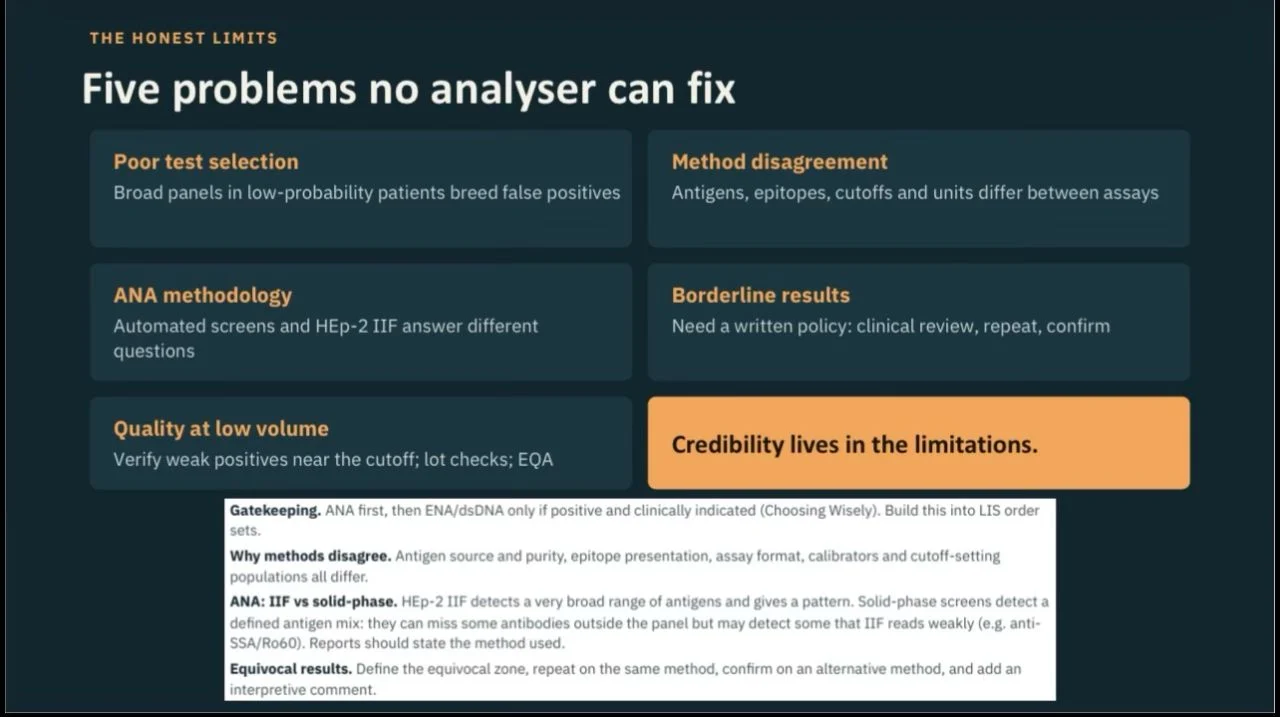
1.Common disease. Fragmented testing.
- Autoimmunity isn’t one disease.
- And it certainly isn’t one test.
- ANA, dsDNA, ENA
- ANCA, MPO, PR3
- Anti-GBM
- Coeliac antibodies
- Antiphospholipid antibodies.
Different diseases. Different clinical questions. Different assays.
A common disease burden gets divided into dozens of low-volume tests.
2.Are we testing too late?
We often investigate autoimmunity at the end of the spectrum.
When symptoms are obvious.
When organ damage has occurred.
When the diagnosis is already suspected.
But here’s what fascinates me:
Autoantibodies can appear years before symptoms in some autoimmune diseases.
Biology may begin long before the diagnosis.
Does our testing strategy reflect that?
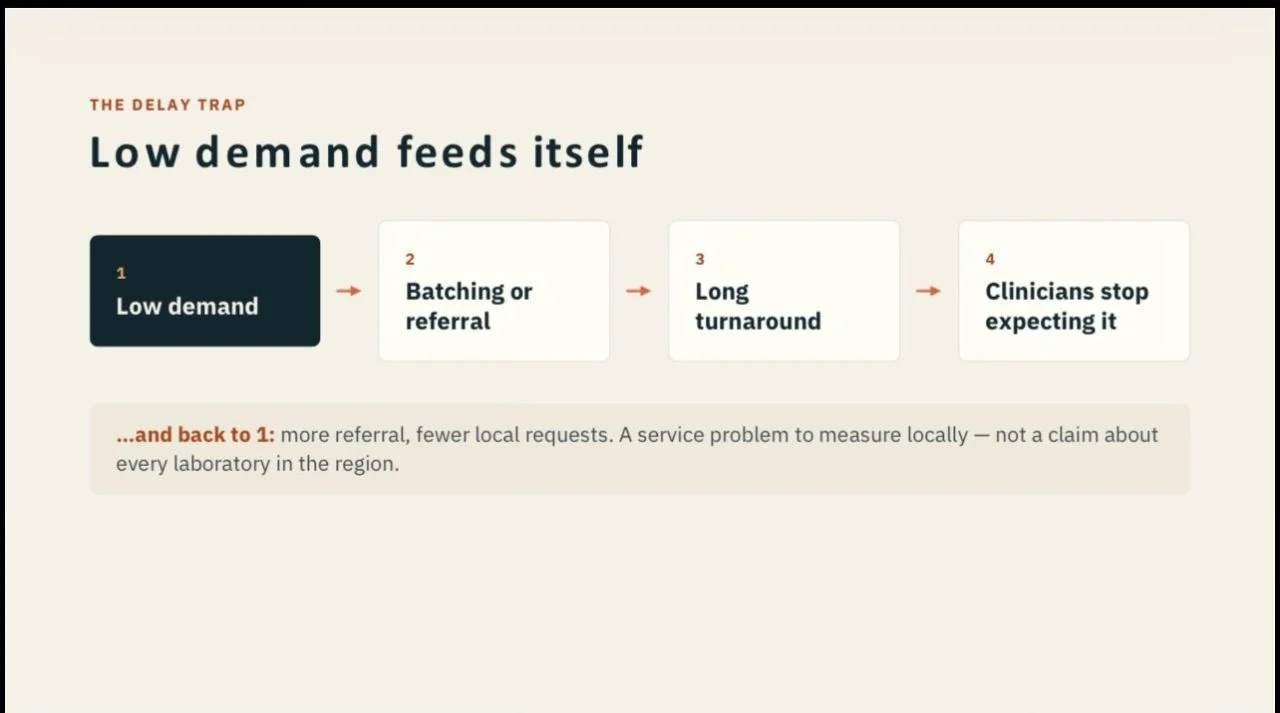
3.Hidden cycle of low demand
This is where lab operations become clinical medicine.
Low requests – Batch testing – Long turnaround – Clinician frustration – Fewer requests.
And the cycle repeats.
What looks like low demand may actually be suppressed demand.
Speed doesn’t just change turnaround time.
It can change clinical behavior.
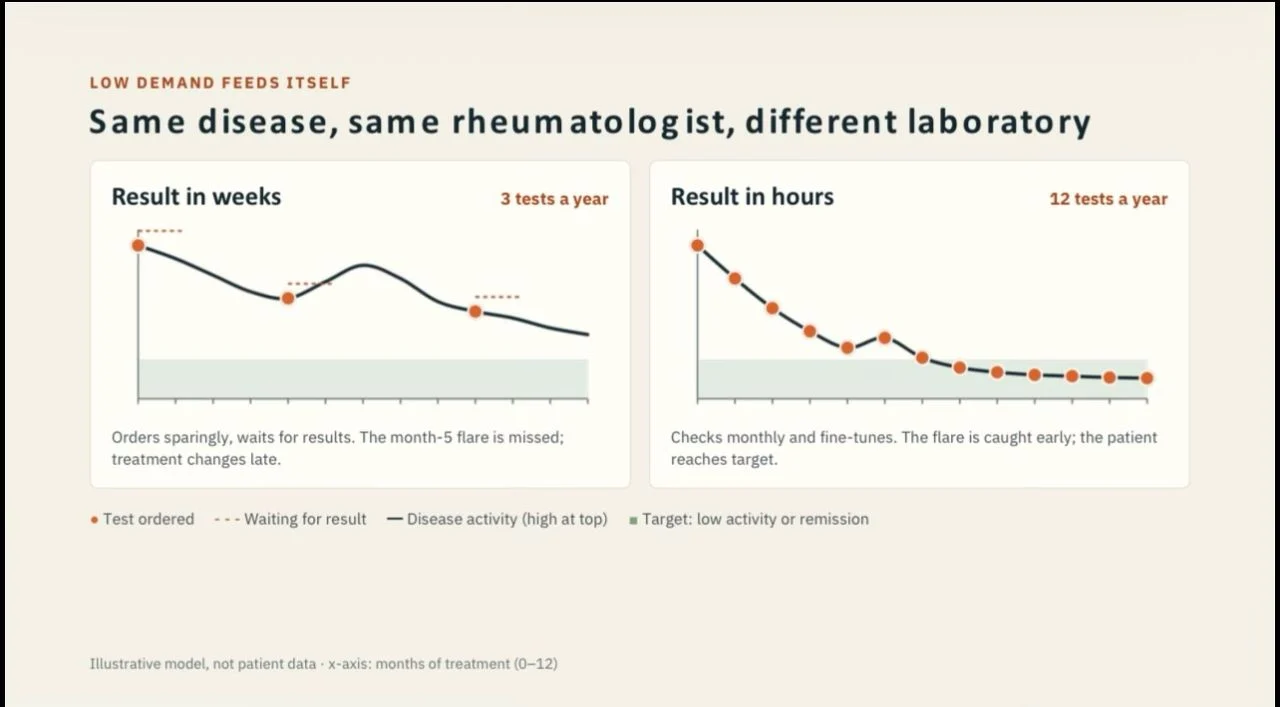
4.Same patient. Different laboratory experience.
Imagine two scenarios:
Results in weeks:
- Delayed clinical decisions
- More empirical treatment
- Missed opportunities for timely diagnosis.
Results in hours:
- Faster diagnostic clarification
- Earlier specialist decisions
- Better opportunities for timely intervention.
Not every autoantibody should be repeated frequently.
But when the result matters, time matters.
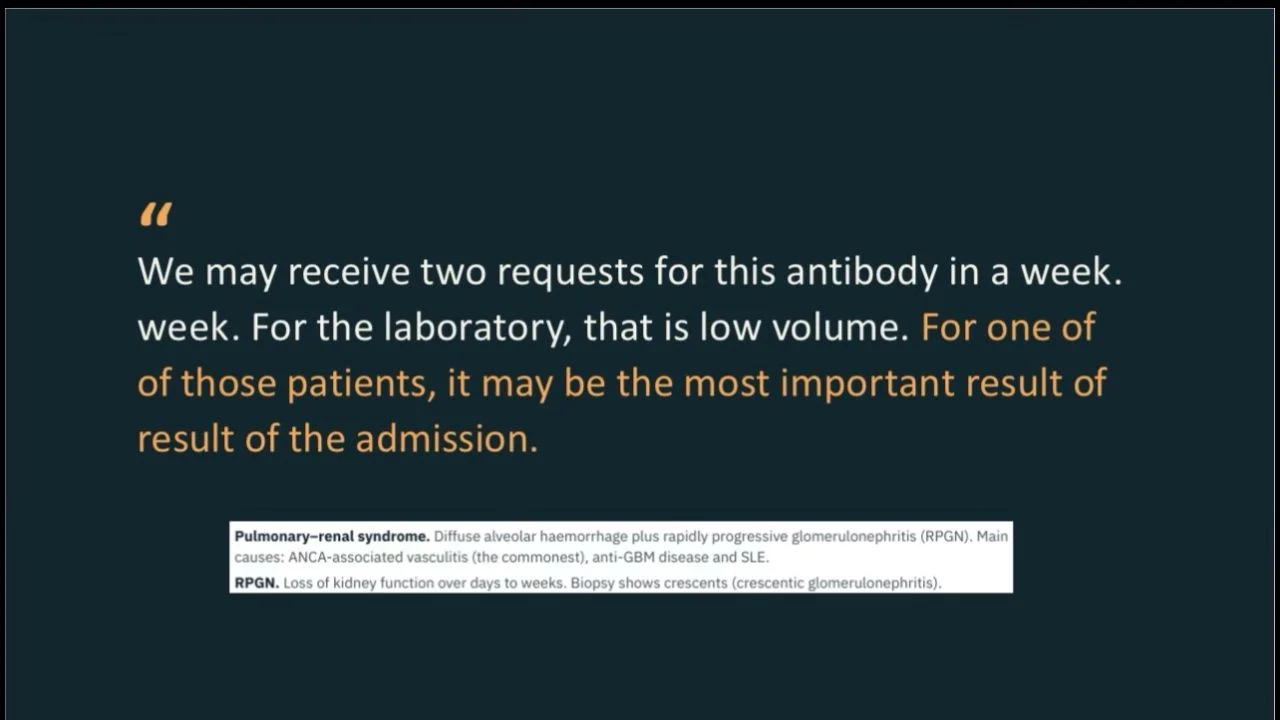
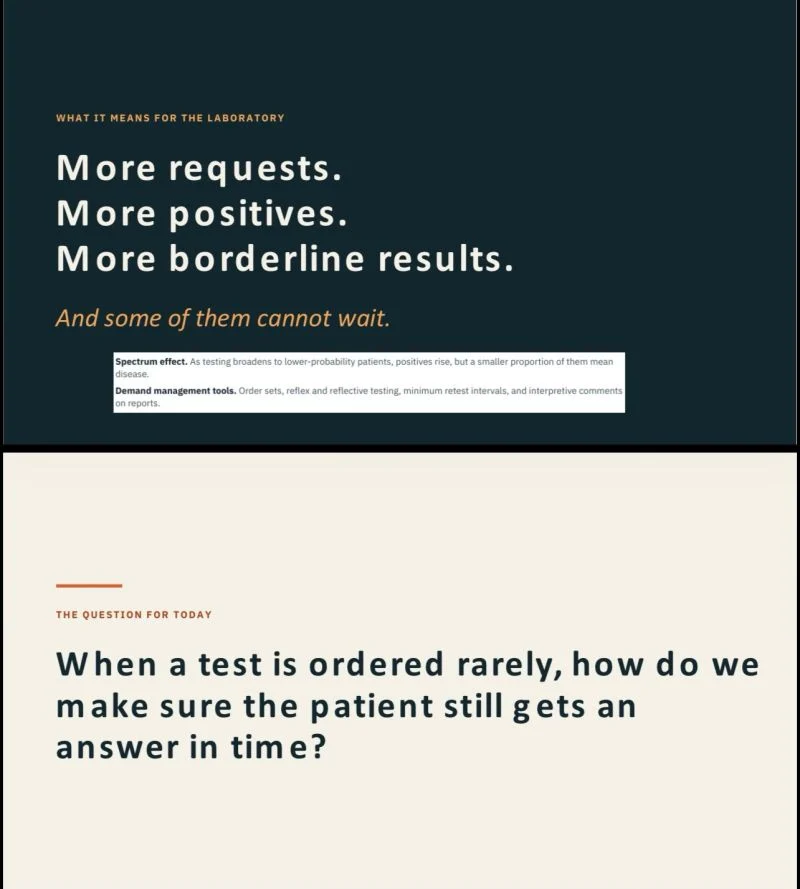
5.Some results cannot wait.
Consider pulmonary–renal syndrome or rapidly progressive glomerulonephritis.
MPO. PR3. Anti-GBM.
These aren’t routine operational decisions.
They may influence urgent, organ-saving management.
Rapid access is essential.
6.Test smarter. Not just more.
Expanding testing without clinical context creates another problem:
More false positives.
Answer is intelligent testing:
- Clinical question-based order sets
- Appropriate reflex testing
- Lab-guided reflective testing
- Minimum retesting intervals
- Clear interpretive comments.
The goal isn’t more requests.
It’s more meaningful results.
7.Business case is also clinical.
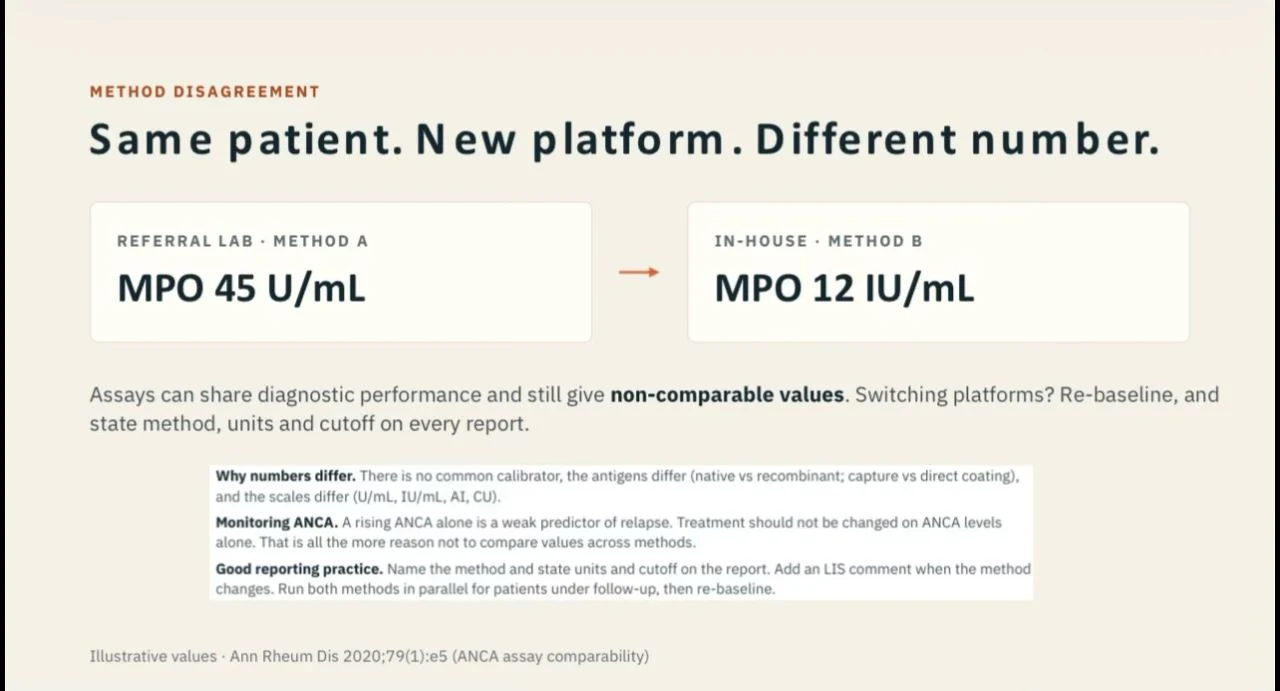
Referral testing has hidden costs:
- Courier and referral fees
- Delayed decisions
- Rejected samples and recollections
- Potentially longer hospital stays
But not every assay belongs in-house.
A practical strategy?
- Urgent access: MPO, PR3, anti-GBM
- Scheduled in-house: ANA, dsDNA, ENA, coeliac serology
- Referred: Rare, highly specialised assays.
Bigger message
Lab testing isn’t simply about producing results.
It’s about making the right esult available at right time.
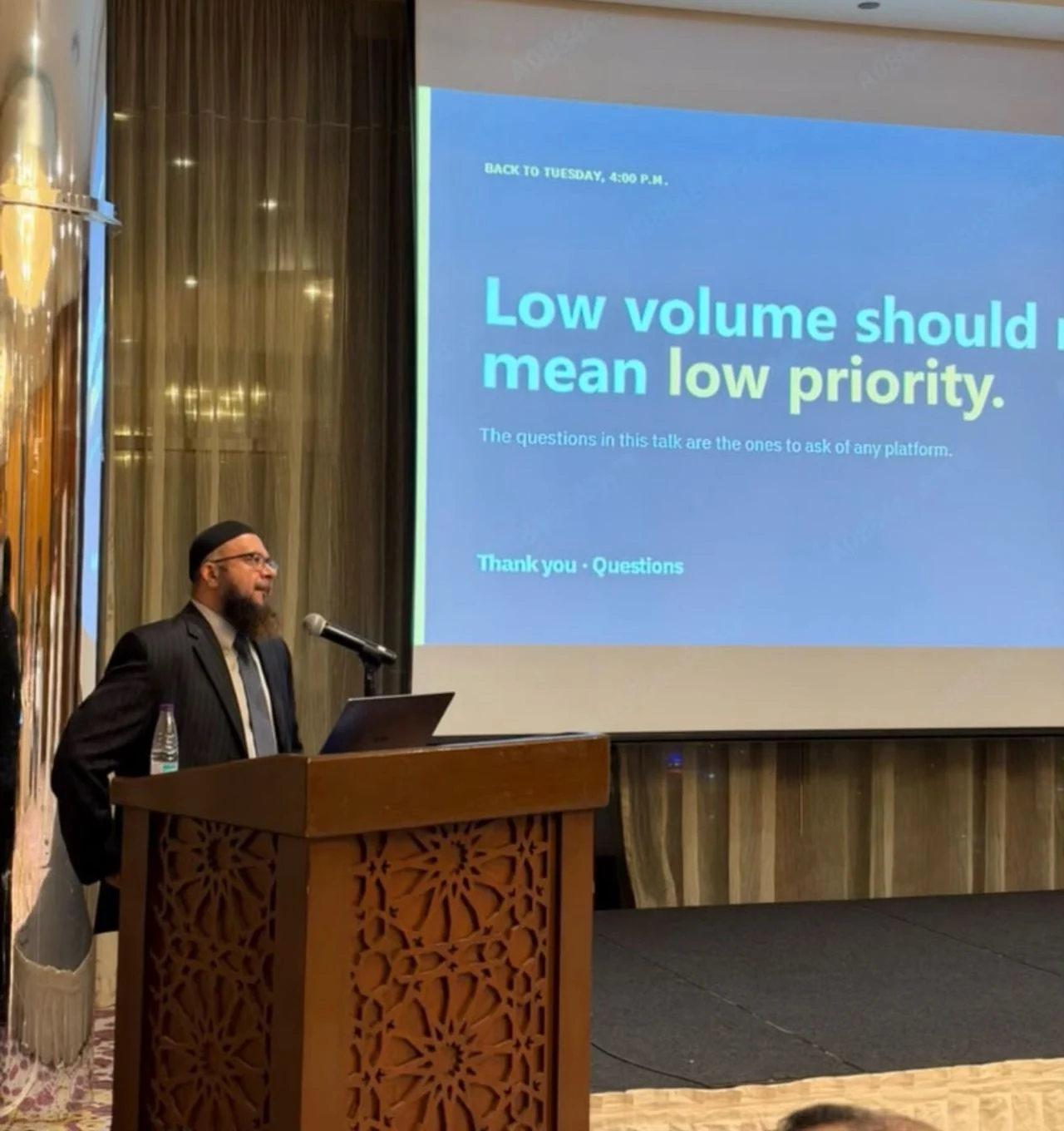
A rare test does not always mean a rare disease.
And low demand does not always mean low need.”

See more in the gallery.
Stay updated with Hemostasis Today.




-
Nov 9, 2026, 10:22ISBT Opens Applications for the I TRY IT Programme 2027
-
Nov 9, 2026, 09:29Veronica Sanchez: A Framework for Woman’s Health
-
Nov 8, 2026, 19:31Anna Kajaste-Rudnitski: Presenting AAV-Induced p53 Signalling in Human CNS Cells at ESGCT 26
-
Nov 8, 2026, 19:29David McIntosh: Cybersecurity Matters, but Blood Availability Remains the Bigger Challenge
-
Nov 8, 2026, 19:26Wenxue Ma: An Integrative Framework for Macrophage-Mediated Therapeutic Resistance in Cancer
-
Nov 8, 2026, 19:25Yildiz Yigit: Presenting a Polycythemia Vera Case at the MPN Subcommittee Session
-
Nov 8, 2026, 18:56Denis Oduor: Strengthening the Regulation and Delivery of Blood Transfusion and Transplantation Services
-
Nov 8, 2026, 18:28Raghavendra Rao: A Narrative Review on Chronic Venous Disease during Pregnancy
-
Nov 8, 2026, 17:57Dhiren Patel: PLD1-Derived Phospholipids Regulate NAD Kinase and ROS Production in Neutrophils