


Carmen’s Recovery From Spontaneous Coronary Artery Dissection – American Heart Association
American Heart Association shared a post on LinkedIn:
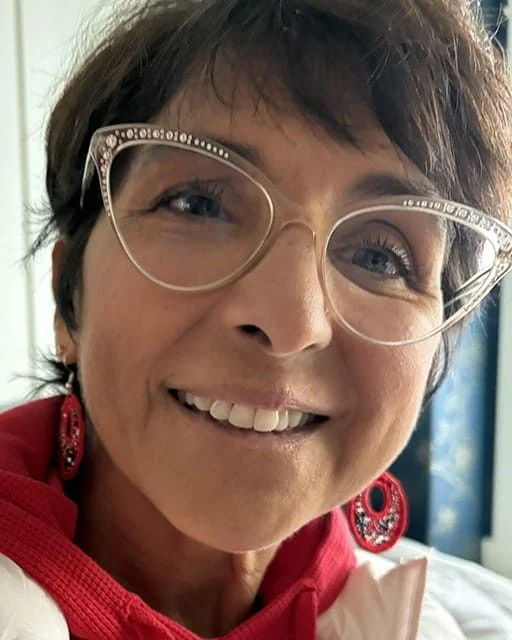
“Carmen Scott was driving home from the grocery store when she doubled over at the wheel with intense stomach cramps. She was sweating. Her head pounded. She thought she might vomit, black out – or both.
Carmen pulled over and called her husband to come pick her up. She feared she had a really bad stomach bug and spent the rest of the day resting.
The next morning, the stomach pain had migrated to her chest. She still wasn’t convinced it was an emergency. She was 58, exercised, and her blood pressure and cholesterol were under control.
So Carmen sipped a ginger ale in hopes it would settle her stomach and started cleaning up the house. When she became so exhausted that she had to sit down, she knew something was very wrong.
In the emergency room, tests showed she’d had a heart attack caused by spontaneous coronary artery dissection, or SCAD.
SCAD happens when the wall of an artery that supplies blood to the heart suddenly tears. It most often affects women, and many people who experience it have few or no typical risk factors for heart disease.
Carmen’s doctor compared her artery tear to the width of a strand of hair. She didn’t need a stent or other procedure, just medicine and time to heal.
Three weeks later, Carmen was walking and doing light yoga. She is continuing her cardiac rehabilitation. Because people who have had SCAD are at high risk of a recurrence, it’s important for her to know the warning signs of a heart attack and to call 911 right away if they happen.
Almost a year later, Carmen still wonders if the artery is tearing more. ‘But at the same time I tell myself, ‘You’re strong.’
Carmen is grateful doctors identified SCAD and treated her before her small tear got any worse.
‘I’m very lucky, and I have a lot of people in my corner to thank,’ she said. ‘You have to listen to your body, especially us moms and grandmas. We want to take care of everybody, and then we forget that, oh, this little pain in my chest, it might be something.'”
Stay updated with Hemostasis Today.


-
Nov 13, 2026, 03:21Abdul Muqtadir Abbasi: Iron Deficiency Beyond Anemia and the Importance of Finding the Cause
-
Nov 13, 2026, 03:05Marc Carrier: Aspirin vs Anticoagulants for VTE Prevention After Joint Replacement
-
Nov 13, 2026, 02:28Julia Sjöberg: ROCK1 Inhibition and Red Blood Cell Recovery After Chemotherapy
-
Nov 13, 2026, 02:07Tonie Reincke: Understanding Deep Vein Thrombosis and Vascular Health
-
Nov 13, 2026, 01:52Akshita Singh: The Remarkable Process of Blood Clotting
-
Nov 12, 2026, 22:52Milka Koupenova: The Role of Platelet RIG-I in Regulating Thrombotic Responses
-
Nov 12, 2026, 22:50Arun V J: Why Has India Still Not Achieved 100% Voluntary Blood Donation?
-
Nov 12, 2026, 22:49Sickle Cell Disease Deserves to Be Prioritised in Ghana – ISCC
-
Nov 12, 2026, 22:47Samir Kumar Beura: Delighted to Serve as a Topic Editor for a Research Topic in Frontiers in Neuroscience