

Alejandro González Veliz: Can Lifestyle Changes Actually Reverse Atherosclerosis?
Alejandro González Veliz, Interventional Cardiologist at Institute of Cardiology and Cardiovascular Surgery, shared a post on LinkedIn:
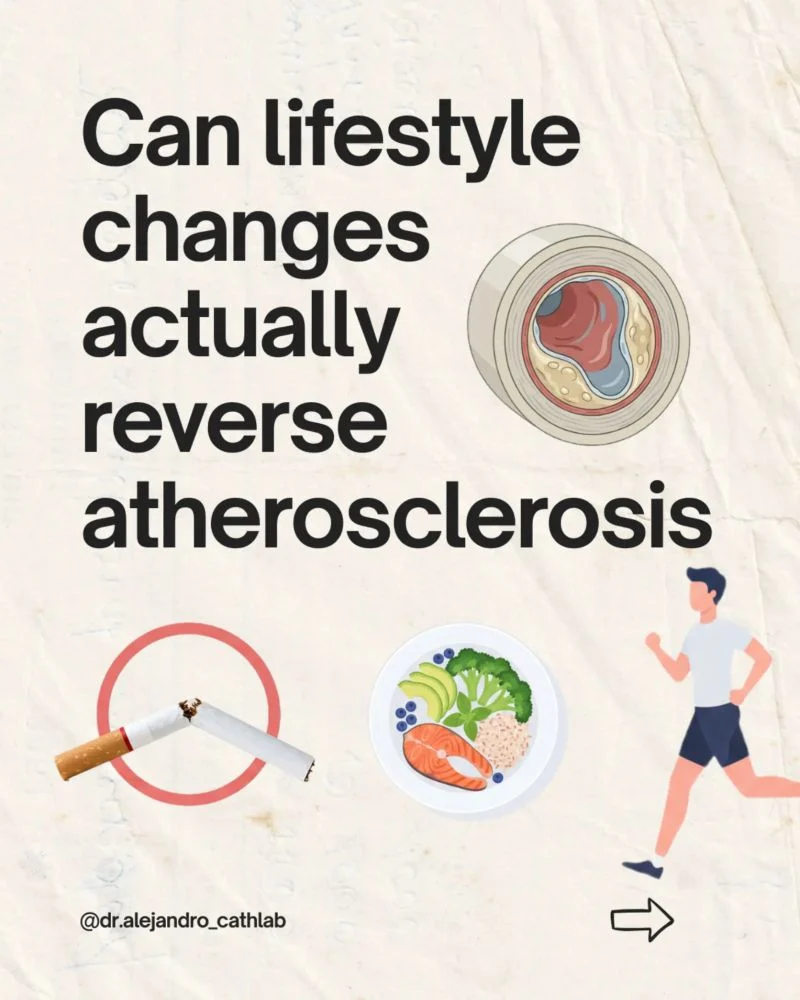
“Can lifestyle changes actually reverse atherosclerosis?
The answer is more nuanced than a simple yes or no.
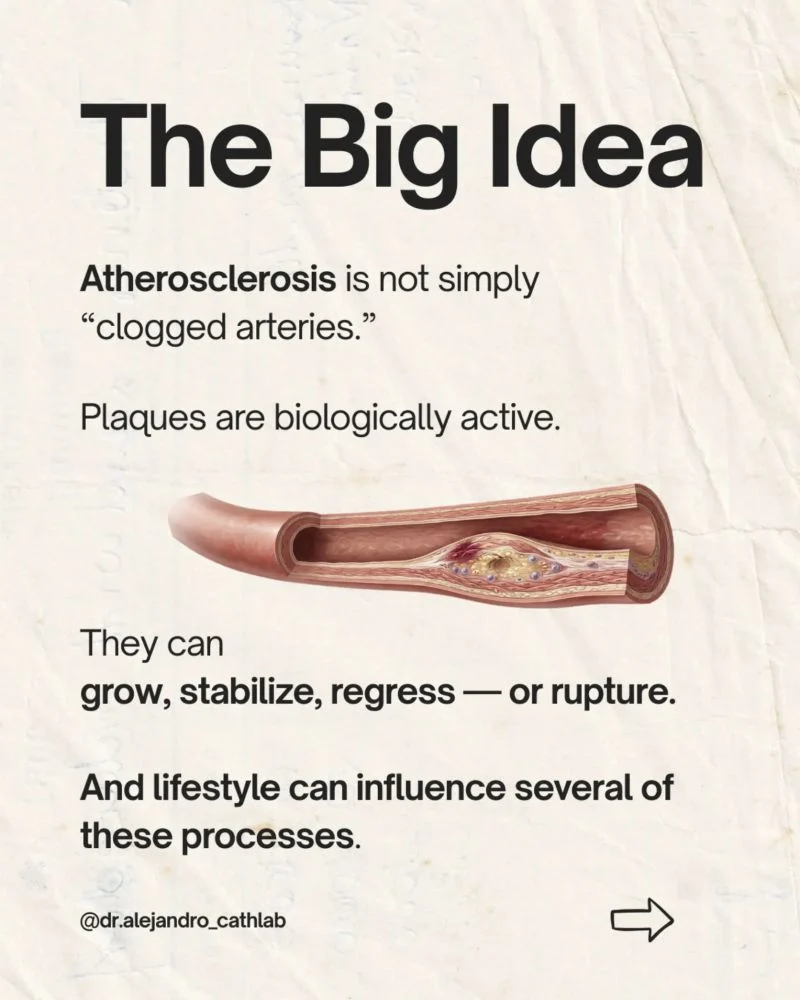
Atherosclerosis is a dynamic, lifelong process influenced by LDL-C and other atherogenic lipoproteins, blood pressure, smoking, diabetes, adiposity, physical activity, diet, and inflammation.
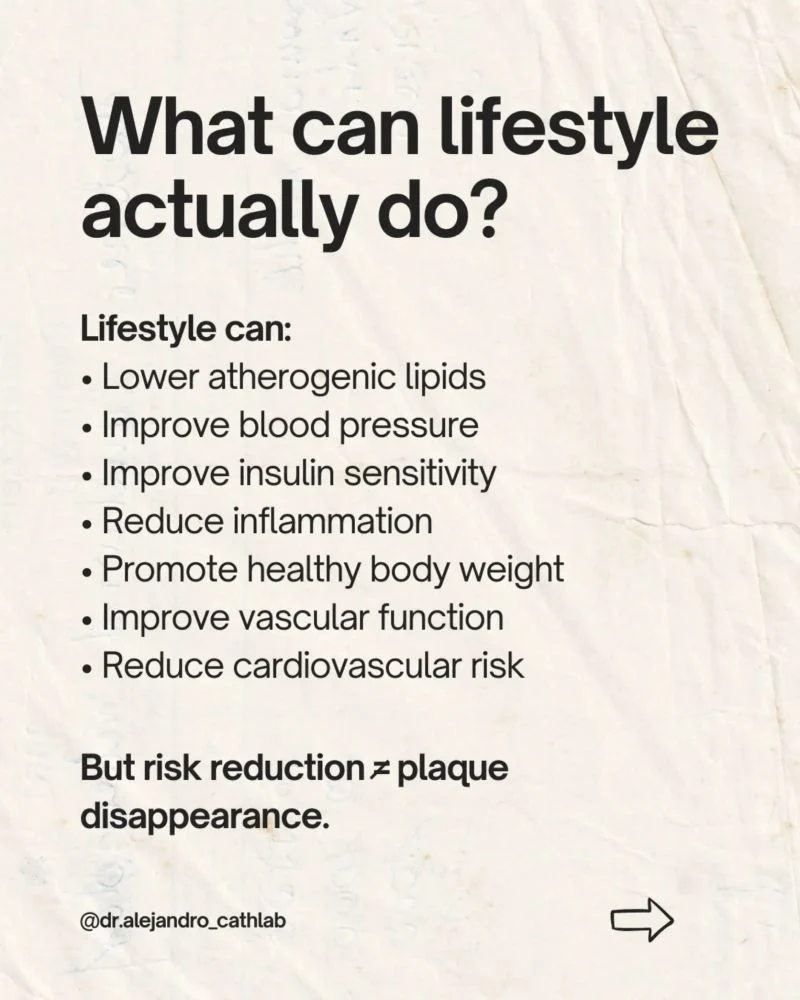
Lifestyle modification can meaningfully change this environment.
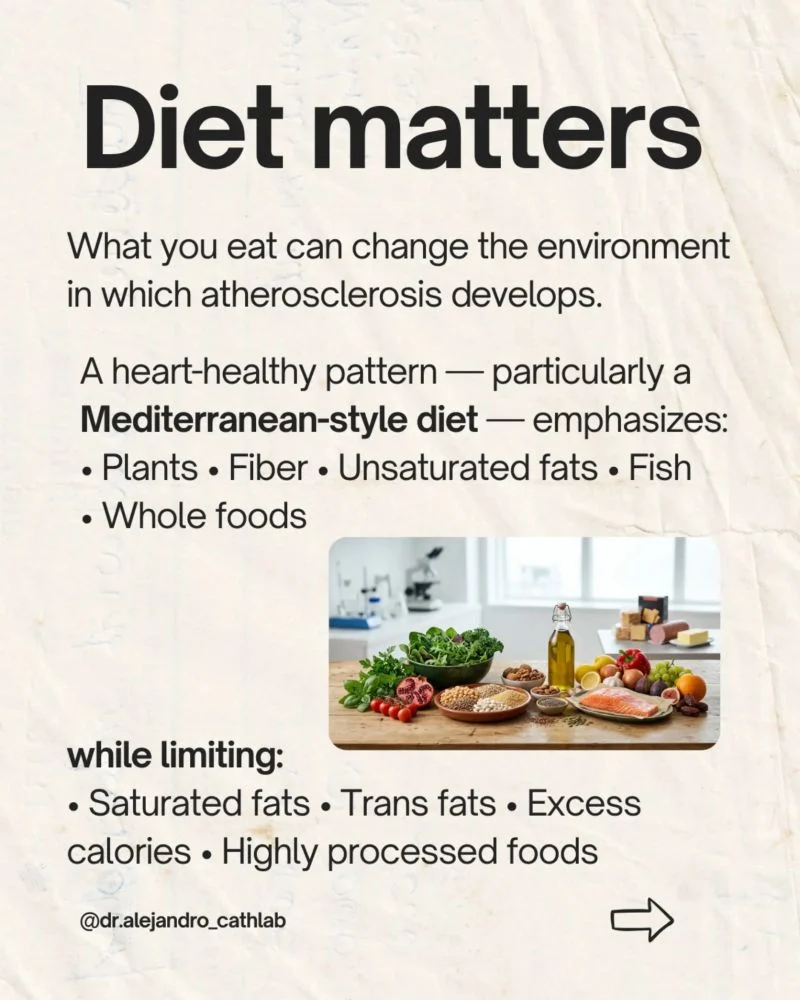
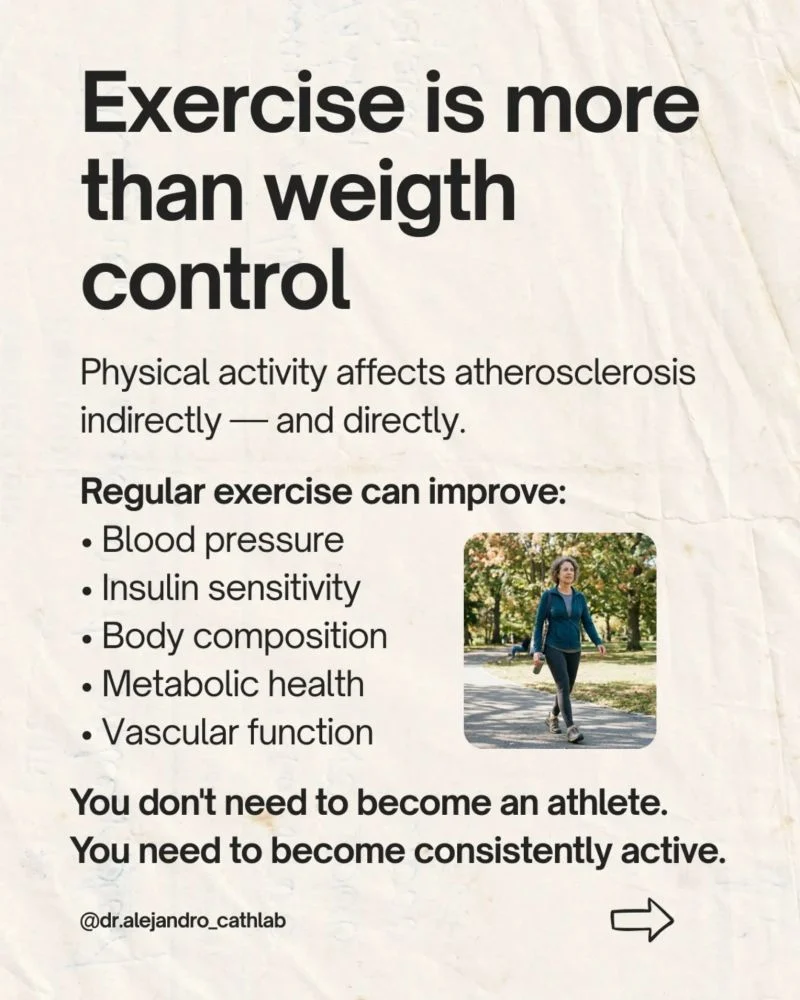
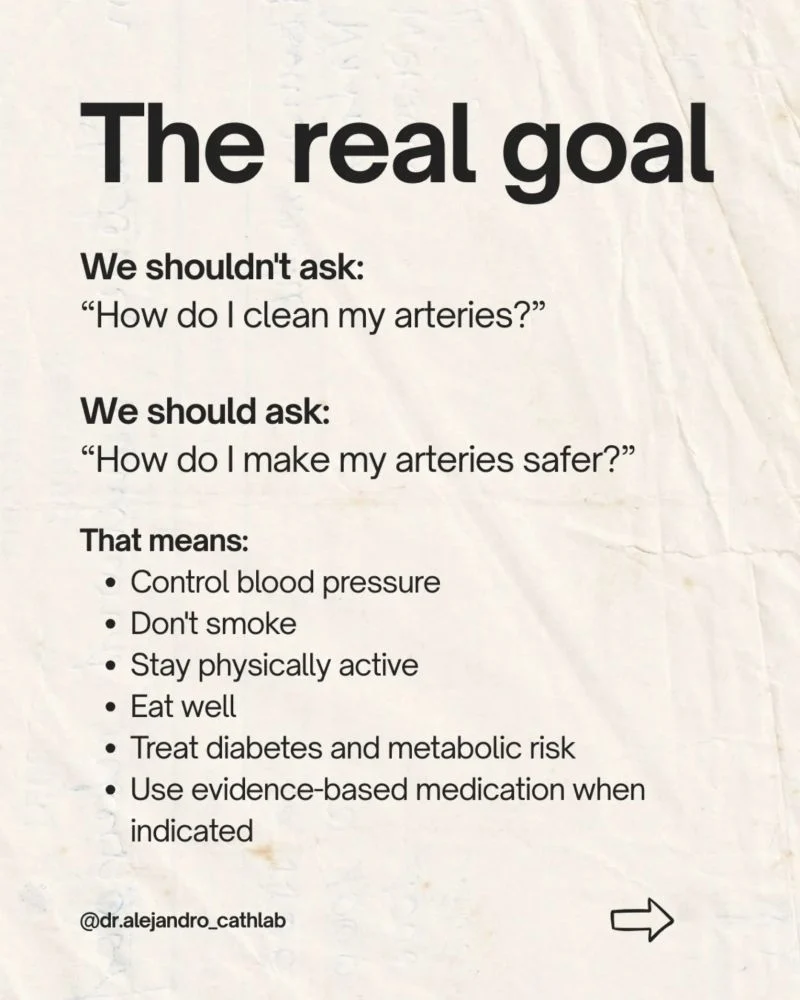
A heart-healthy dietary pattern, regular physical activity, smoking cessation, healthy weight management, and control of blood pressure and metabolic risk can reduce cardiovascular risk and may influence plaque composition and progression.
But there is an important distinction:
Reducing cardiovascular risk is not the same as making plaque disappear.
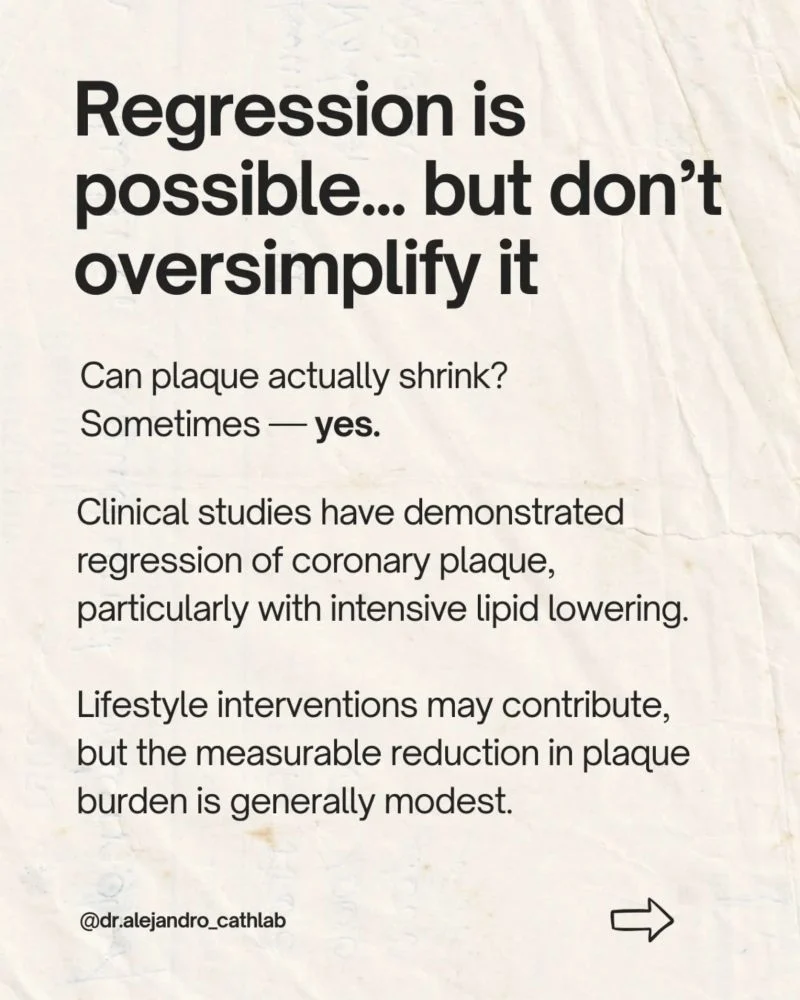
Plaque regression is possible, but the degree of anatomical regression is generally modest.
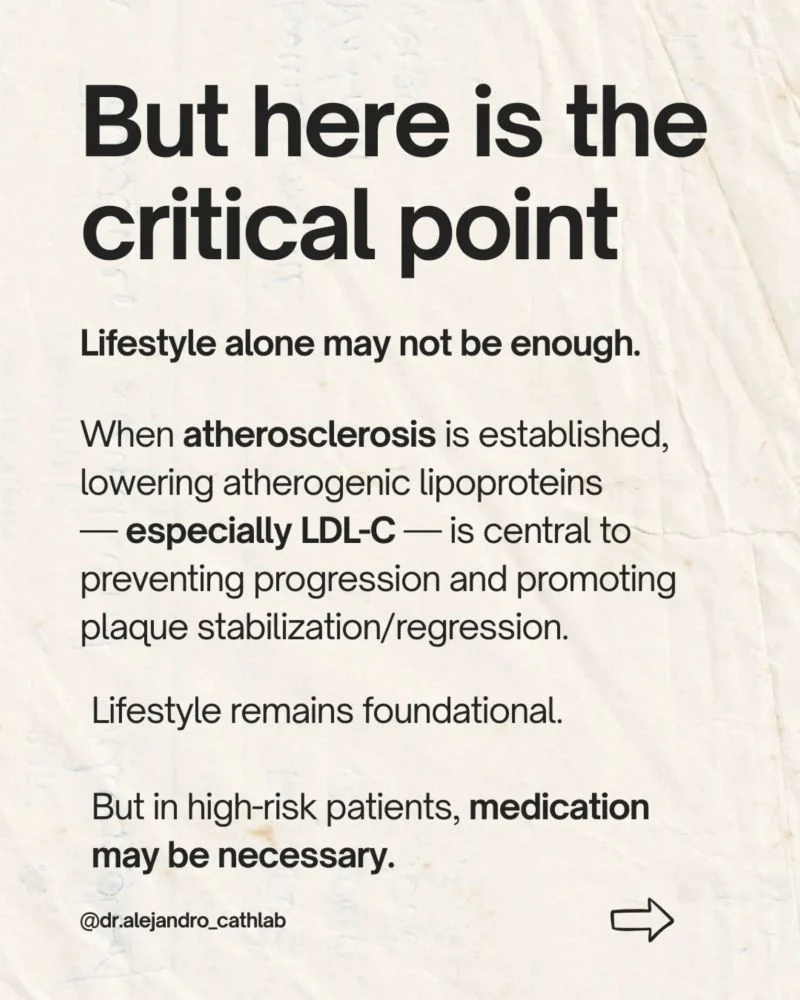
The strongest contemporary evidence for measurable coronary plaque regression comes from intensive lipid lowering, particularly with statin-based therapy and other evidence-based lipid-lowering strategies when indicated.
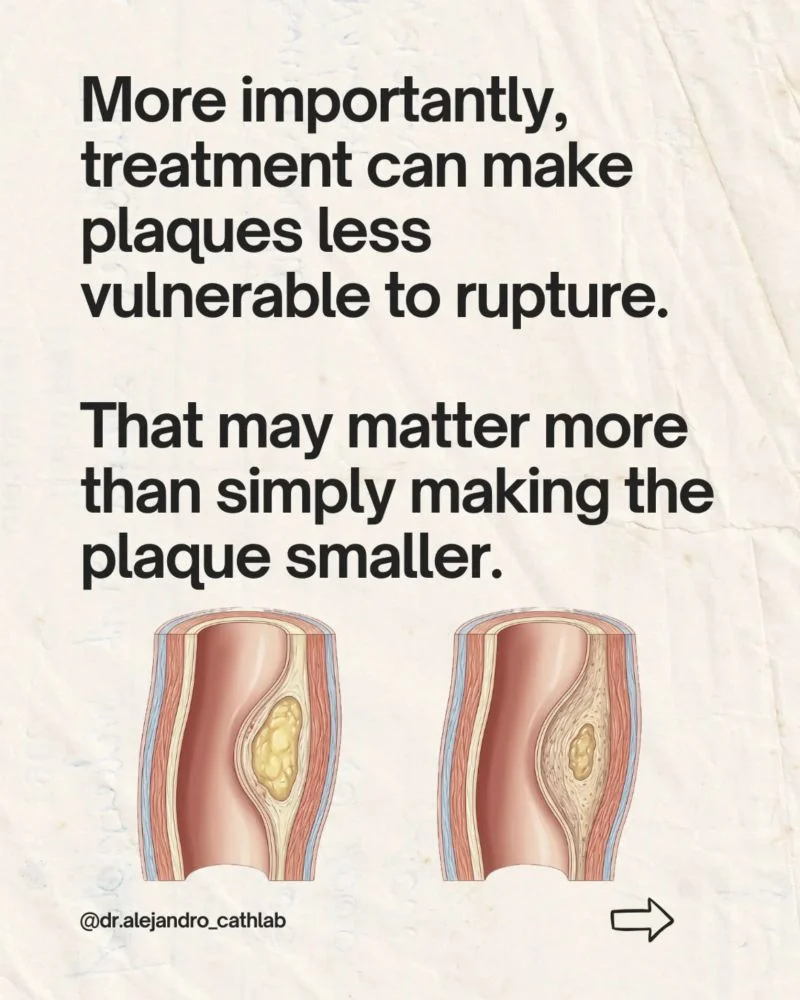
Recent evidence also suggests that plaque stabilization — making atherosclerotic lesions less vulnerable to rupture — may be at least as clinically important as simply reducing plaque volume.
Lifestyle remains fundamental.
But lifestyle and medical therapy should not be viewed as competing strategies. For patients at elevated cardiovascular risk, they often work together.
The dyslipidaemia updates continues to emphasize LDL-C lowering according to individual cardiovascular risk, while incorporating newer evidence and risk modifiers such as subclinical atherosclerosis and elevated Lp(a).
So perhaps the better question is not:
‘Can I clean my arteries?’
but:
‘Can I make my atherosclerosis less dangerous?’
The answer is much more clearly yes.
And that is where lifestyle, lipid lowering, blood pressure control, smoking cessation, exercise, nutrition, and appropriate medical therapy all have a role.
Lifestyle changes are not a substitute for medical treatment when treatment is indicated – and medication is not a substitute for a healthy lifestyle.”
Other posts featuring Alejandro González Veliz on Hemostasis Today.
-
Sep 15, 2026, 02:08Eugenia Gianos: ACC CVPrevention Council’s New Statin Resources
-
Sep 15, 2026, 01:58Shinya Goto: Country Specific Randomized Trial Show the Merit of DOAC in Intermediate Risk of A
-
Sep 15, 2026, 01:37Lesley Van Wyk: Exploring Sickle Cell Disease – The HbS Story
-
Sep 15, 2026, 01:31Luca Seffin: To the Science, the People, and the Journey – Thank You SR-Tiget
-
Sep 14, 2026, 23:49Heghine Khachatryan: New evidance – Antiphospholipid Antibodies and Ischemic Stroke
-
Sep 14, 2026, 23:42Eman M. Elsabbagh: Successful HCT Does Not End at Engraftment
-
Sep 14, 2026, 23:31Antonis Kattamis: Proud to Be Part of this Endeavour and Senior Author of the Pivotal Trial
-
Sep 14, 2026, 23:23Farjah Algahtani: Stroke Incidence and Risk Factors in Saudi Patients with Sickle Cell Disease
-
Sep 14, 2026, 20:53YoonHwa An: Rusfertide in Polycythemia Vera – From Clinical Benefit to Strategic Value