


Aleksandra Pikula: Canada’s First Women in Midlife Brain Health and Stroke Prevention Program Is Officially Launched
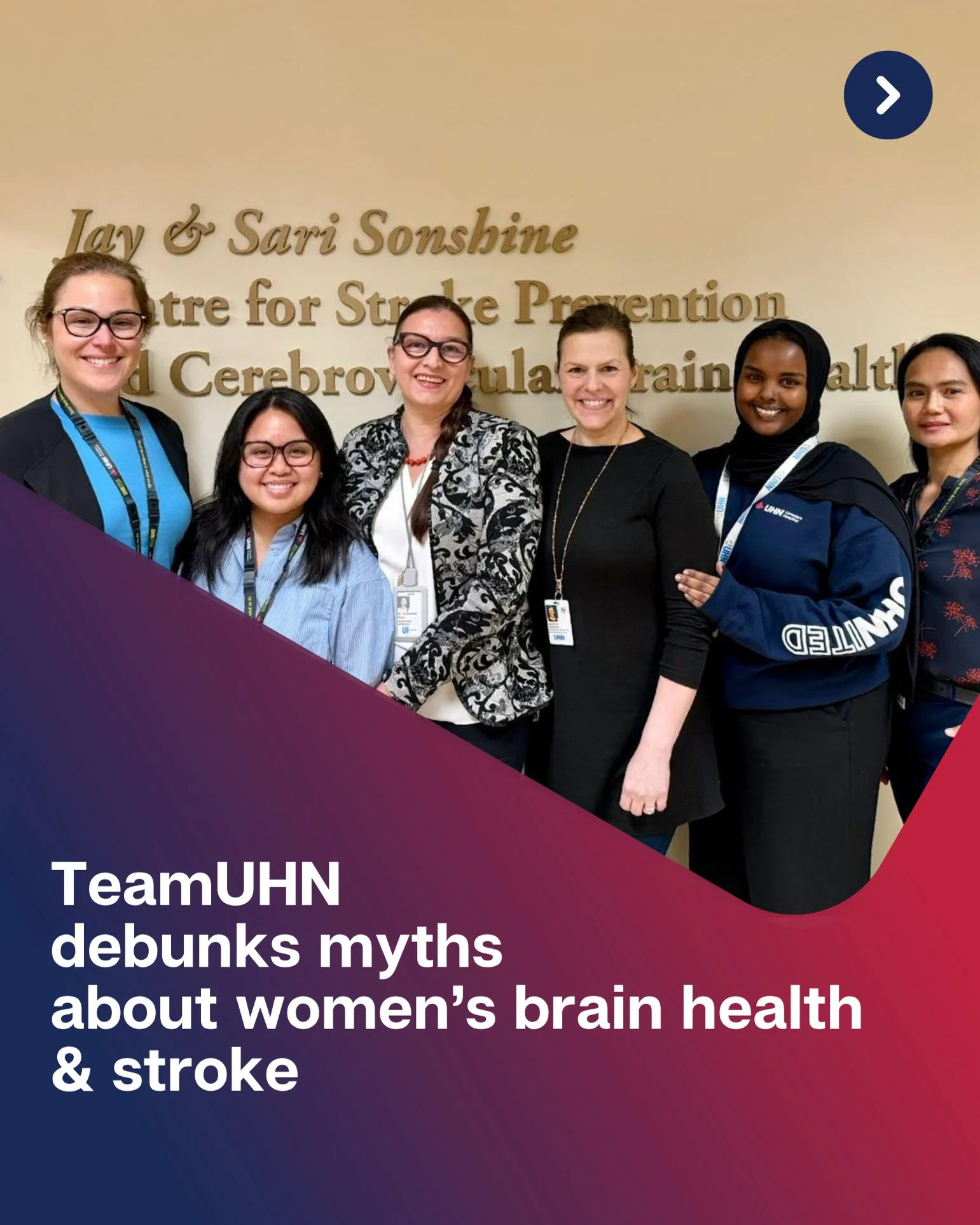
Aleksandra Pikula, Jay and Sari Sonshine Chair in Stroke Prevention and Cerebrovascular Brain Health at University Health Network, reposted from University Health Network on LinkedIn:
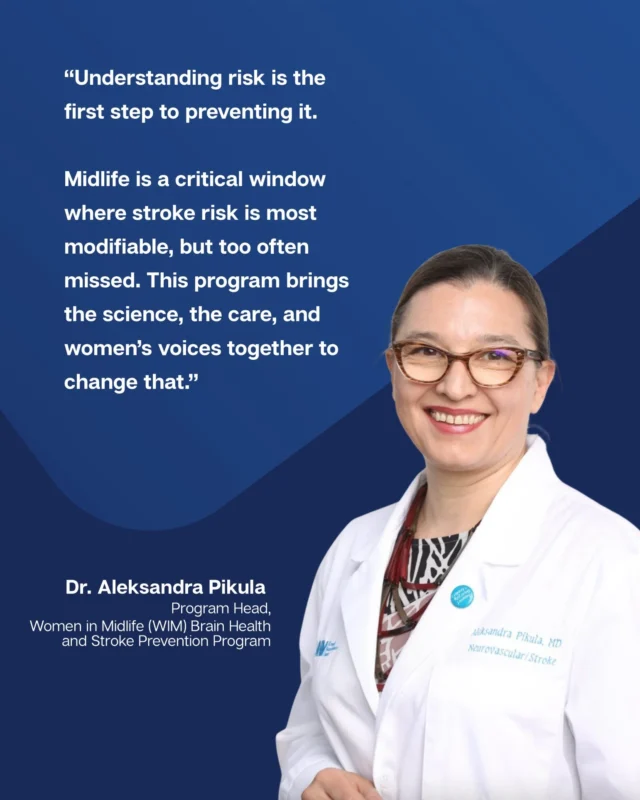
”Proudly announcing the official launch of a unique new clinical program for Women’s Brain Health, the only one of its kind in Canada!
Created for women, by women—focused on better brain health and stroke prevention, with the most innovative integrated care and referral pathway in the field of women’s brain health!
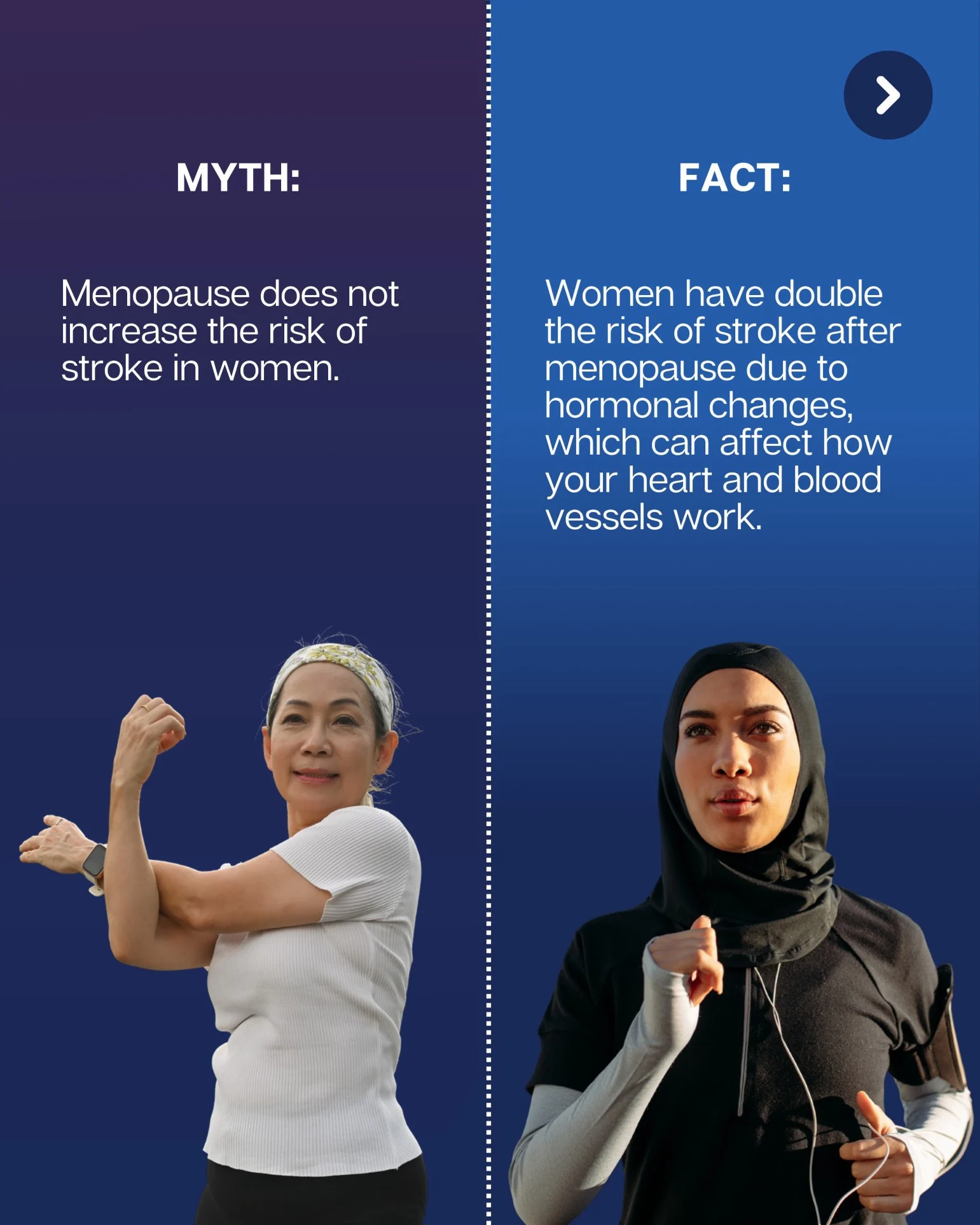
A woman’s stroke risk roughly doubles in the decade after menopause — yet midlife remains the most overlooked window for prevention.
That’s why University Health Network – Jay and Sari Sonshine Centre – Stroke Prevention and Brain Health launched the new Women in Midlife (WIM) Brain Health and Stroke Prevention Program.
Co-designed with women patients and providers, WIM integrates the stroke-prevention model of care across menopause, vascular, and brain health into personalized, lifestyle medicine evidence-based care while optimizing peer engagement and shared medical appointments.
We’re also surfacing overlooked risks — pregnancy complications, early menopause — that rarely enter routine assessments, and challenging the misconceptions shaping how women understand their own stroke risk.
Midlife isn’t too late.
It’s the moment that matters most for better womens brain health, stroke prevention, dementia prevention, lifestyle medicine and brain care”
Quoting University Health Network‘s post:
”Midlife is a critical window for stroke prevention in women, but it is often overlooked.
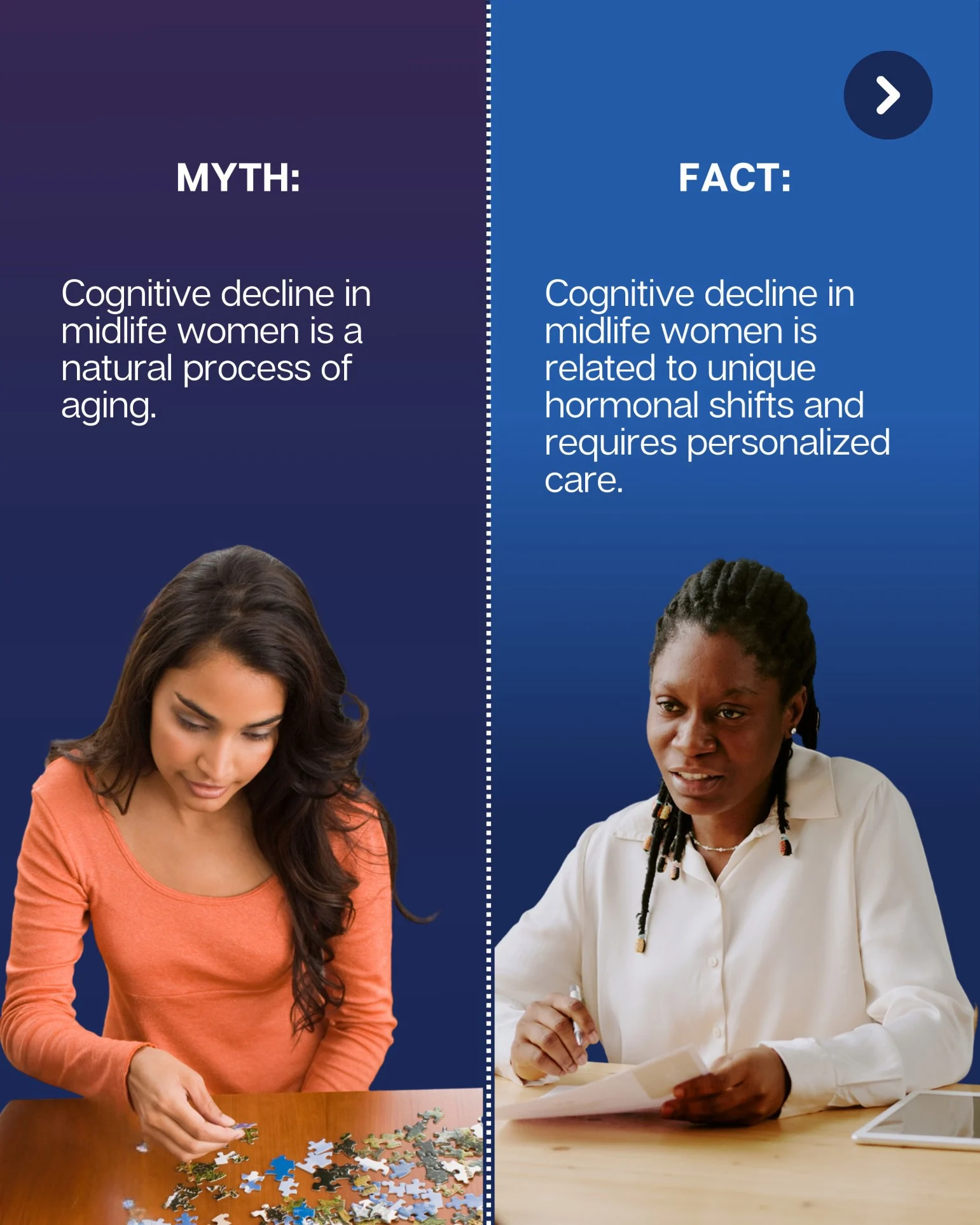
During this stage, typically between ages 40–65, the menopausal transition brings significant hormonal, vascular, and metabolic changes that can accelerate the risk for stroke and dementia.
Yet many of these risks, including reproductive history factors like pregnancy complications and early menopause, are not routinely assessed in clinical care.
UHN’s new Women in Midlife (WIM) Brain Health and Stroke Prevention Program was created to address this gap.
Co-designed with women patients and providers, the program integrates menopause care, vascular risk, and brain health into personalized models of care grounded in a lifestyle-based prevention approach.
It also addresses a critical next step: challenging the misconceptions that continue to shape how midlife women understand their stroke risk.”
Stay updated with Hemostasis Today.
-
Sep 15, 2026, 15:00Sarah Wachtman: Modeling AAV-Based Gene Therapy for Hemophilia A Using Pediatric Liver Organoids
-
Sep 15, 2026, 15:00Ashenafi Tazebew Amare: From Blood Donation to Innovation and Patient Access
-
Sep 15, 2026, 14:56Glanzmann Thrombasthenia Beyond Platelet Transfusion
-
Sep 15, 2026, 14:55Christina Pohlman: The Hidden Complexity of Warfarin Therapy in APS
-
Sep 15, 2026, 14:44Consuela A. Albright: Building a More Connected Sickle Cell Care System
-
Sep 15, 2026, 14:43Andrew Jackson: Cyanosis as a Clue to Central Venous Obstruction
-
Sep 15, 2026, 14:43Andy Darlington: Randomized Evidence for Catheter-Based Treatment of Intermediate-High-Risk PE
-
Sep 15, 2026, 14:31Yaozhi Wang: AI Increased Incidental Pulmonary Embolism Detection
-
Sep 15, 2026, 14:30Moe Alsumidaie: Mitapivat Challenges the Transfusion-Centric Model of Thalassaemia Care