

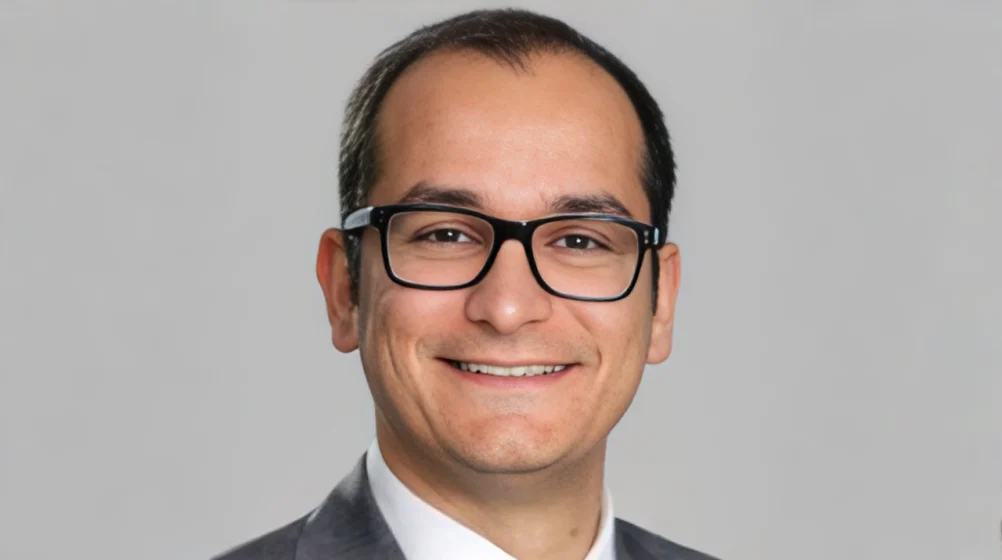
Amir Sedighi: The Hidden Risk in Global Plasma Supply Strategy
Amir Sedighi, Senior Consultant-GMP/GDP Assurance at American CDMO, Member of the Management Board at Plasma 55 GmbH, shared a post on LinkedIn:
“The Plasma Paradox: Why Demand for New Plasma Sources Has Slowed Despite a Growing Patient Crisis.
Over 410 million people globally live with rare, chronic, or immunological disorders that depend on plasma-derived medicines.
Shortages have forced treatment rationing and, in documented cases, caused deaths among primary immunodeficiency patients across at least 14 European countries.
The global plasma fractionation market is racing toward 65 billion by 2034.
And yet, since 2025, the urgency to develop new plasma collection sources has paradoxically softened.
The Forces Behind the Slowdown:
Recombinant therapies are quietly reshaping the demand landscape the most structurally significant shift is happening in coagulation.
The demand for plasma-derived coagulation factors has been declining since the introduction of recombinant alternatives in 1992.
Emicizumab, a bispecific monoclonal antibody, now commands approximately 25 percent of the haemophilia A market with revenues rising 41 percent in countries outside the USA, Europe, and Japan.
When a recombinant product captures that kind of share across income levels globally, it signals a structural shift, not a temporary disruption.
Fractionation efficiency is masking the underlying gap.
Advanced purification technologies and modernized fractionation processes now extract more therapeutic protein from each liter of plasma than at any previous point in the industry’s history.
When yield improves, the pressure to source additional raw plasma eases even as patient populations grow.
This is a dangerous illusion.
Efficiency gains are finite.
Patient demand is not.
Regionalization is replacing global source development.
Rather than building new international plasma sourcing programs, policymakers are doubling down on domestic control.
Over 15 new fractionation facilities were proposed between 2023 and 2025, and import dependency declined by approximately 20 percent in key markets.
The strategic objective has shifted from more plasma globally to more control regionally.
While self-sufficiency is a legitimate and important goal, it should not come at the expense of aggregate supply expansion.
Capital is pivoting away from traditional plasma.
Institutional investment that once funded new plasma collection center networks is increasingly being directed toward gene therapies and next-generation biologics.
Gene therapy and recombinant proteins are beginning to hamper the market share of plasma-derived medicines.
The perceived long-term revenue ceiling for source plasma is contracting in the eyes of investors even as the humanitarian need expands.
Each of the four forces above is, in isolation, understandable.
Collectively, they are creating a dangerous gap between what the science and economics are signaling today and what patients will require a decade from now.”
Stay updated with Hemostasis Today.
-
Oct 6, 2026, 22:43Alessandra Bosch: Pediatric GTH Opens with Regional Experts Convening on Pediatric Hemostasis and Thrombosis
-
Oct 6, 2026, 22:39Managing Thrombotic Risk in Pregnancy – How the Lab May Help – Sysmex Europe
-
Oct 6, 2026, 22:33Ahmet Davut Aksu: A Multi-Objective Approach to Enhance Fibrinolysis, Selectivity, and Inhibition Resistance
-
Oct 6, 2026, 22:29Muhammad Abubakar: New Study on Iron Biology to Be Presented at ASH 2026 and Published in Blood
-
Oct 6, 2026, 22:24David McIntosh: Calling On Decision-Makers to Prioritize Donors and Clinical Access During IPAW 2026
-
Oct 6, 2026, 22:21Zoltan Nagy: With All Eyes on Optogenetics Today, What Can It Do in Megakaryocytes and Platelets?
-
Oct 6, 2026, 22:13Khalid A. Fakhro: Sidra Medicine Hosts RAPID 2026 Advancing Diagnostics and Treatments for Inborn Errors of Immunity
-
Oct 6, 2026, 22:04Denis Oduor: Preparedness for Postpartum Haemorrhage Must Include Preparedness for Blood
-
Oct 6, 2026, 21:57Farhad Moradpour: Health Equity and Public Health – What Drives Anemia Disparities in Ethnic Minority Populations?