

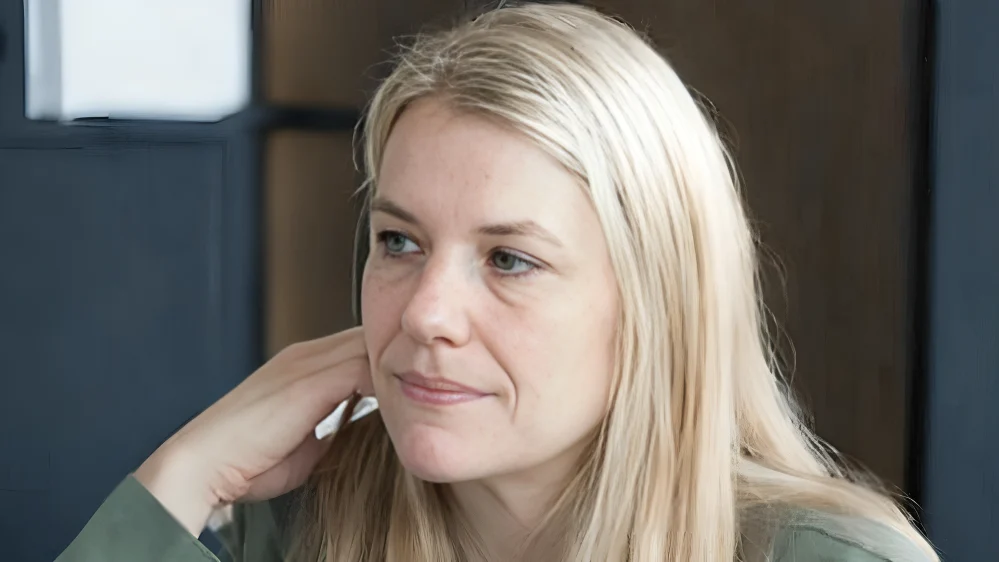
Amy Owen-Wyard: A Life Should Not Have a Price Tag Attached to Its Rarity
Amy Owen-Wyard, Director at EquiPath Analytics, Senior Mental Health Nurse at Herefordshire and Worcestershire Health and Care NHS Trust, shared a post on LinkedIn:
“Rare disease innovation is advancing, but only if your condition represents a viable market.
My son lives with Glanzmann Thrombasthenia, an ultra-rare bleeding disorder where platelets don’t function properly.
In the UK, the ‘gold standard’ treatment remains platelet transfusion.
However, repeated transfusions carry a significant risk: antibody development, rendering future transfusions ineffective.
We are now in that position.
The clinical solution offered? Continue using the same approach that increases the risk of complete refractoriness, despite there being no alternative pathway once immunity develops.
This is not a criticism of individual clinicians. It is a systemic failure of prioritisation.
Ultra-rare conditions remain under-researched because they are not commercially attractive.
Meanwhile, families manage significant clinical burden at home, bleeds, monitoring, crisis prevention, much of which is never captured in datasets because it never reaches hospital reporting systems.
If it isn’t recorded, it isn’t counted.
If it isn’t counted, it isn’t prioritised.
That is why we established a research company last year.
Our mission is simple:
- Ensure lived experience sits at the centre of research design and decision-making
- Capture real-world, home-managed data that is currently invisible
- Amplify the voices of families who are too often absent from regulatory and policy conversations
- Influence those with the power to change access, funding and innovation pathways
Equity in healthcare cannot depend on prevalence.
A life should not have a price tag attached to its rarity.
Rare Disease Day raises awareness, but awareness without structural change is not enough.
If you work in research, policy, commissioning, biotech, or regulation and believe patient voice should shape innovation. I would welcome a conversation.”
Stay updated with Hemostasis Today.
-
Sep 22, 2026, 16:20Ila Bappa Ibrahim: Bringing Sickle Cell Innovation Closer to Communities
-
Sep 22, 2026, 16:02Ana Pedrero Gil: Peri-operative Management of Patients Undergoing Day Surgery
-
Sep 22, 2026, 15:27Zia Ullah: RBC-Derived Extracellular Vesicles as Potential Biomarkers of Thrombotic Risk in Dengue
-
Sep 22, 2026, 15:01Lesley Van Wyk: What Each Iron Markers Actually Mean
-
Sep 22, 2026, 14:37Chokri Ben Lamine։ Saudi Arabia Leads A New Milestone In Hemophilia A Care
-
Sep 22, 2026, 13:58Giulia Passaniti: Dual Inferior Vena Cava Anatomy in Tetralogy of Fallot
-
Sep 22, 2026, 13:35Michael Miyamoto: Scaling Guideline Based Lipid Management in Community Practice
-
Sep 22, 2026, 13:15Suvro Sankha Datta: Developing Blood Group Genotyping Platform Using a Gold-Oligo
-
Sep 22, 2026, 13:07Caitlin Raymond: The Plasma Chaser in Therapeutic Plasma Exchange