

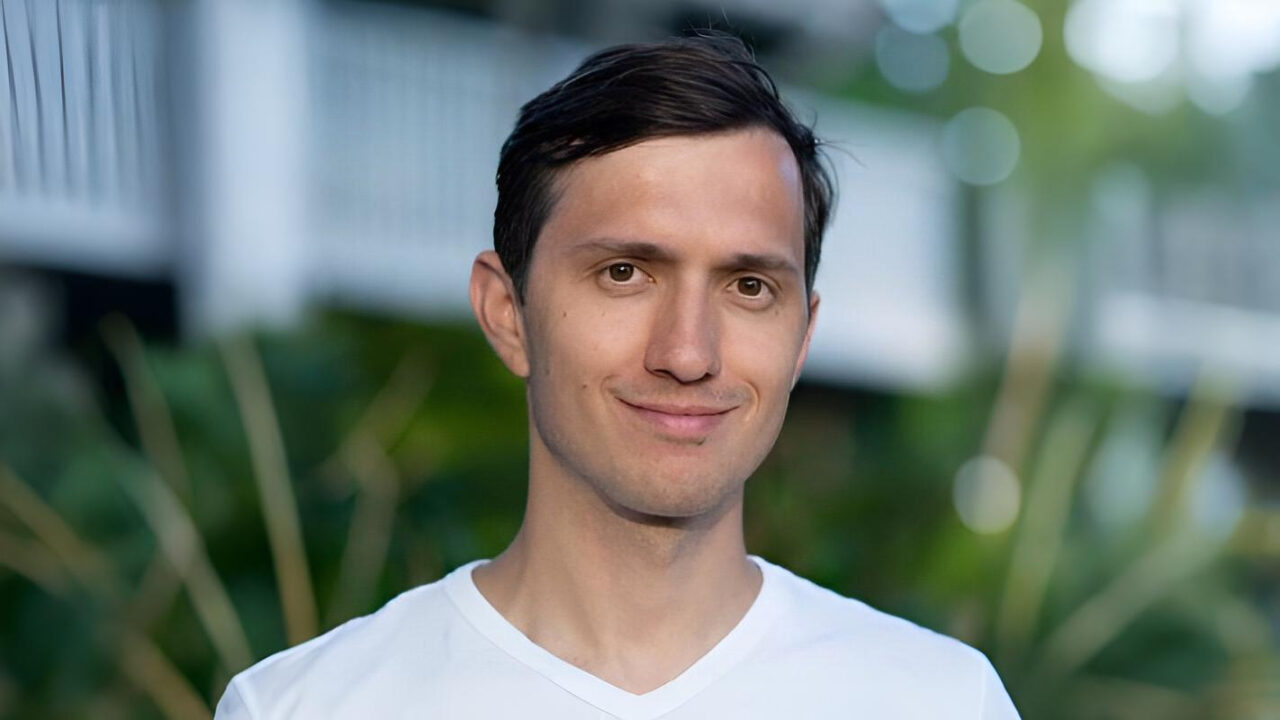
Andrew Akbashev/X
Nov 11, 2025, 01:48
Andrew Akbashev: Globally, Life in Academia is Getting Worse
Andrew Akbashev, Senior Staff Scientist at PaulScherrer Institute, posted on X:
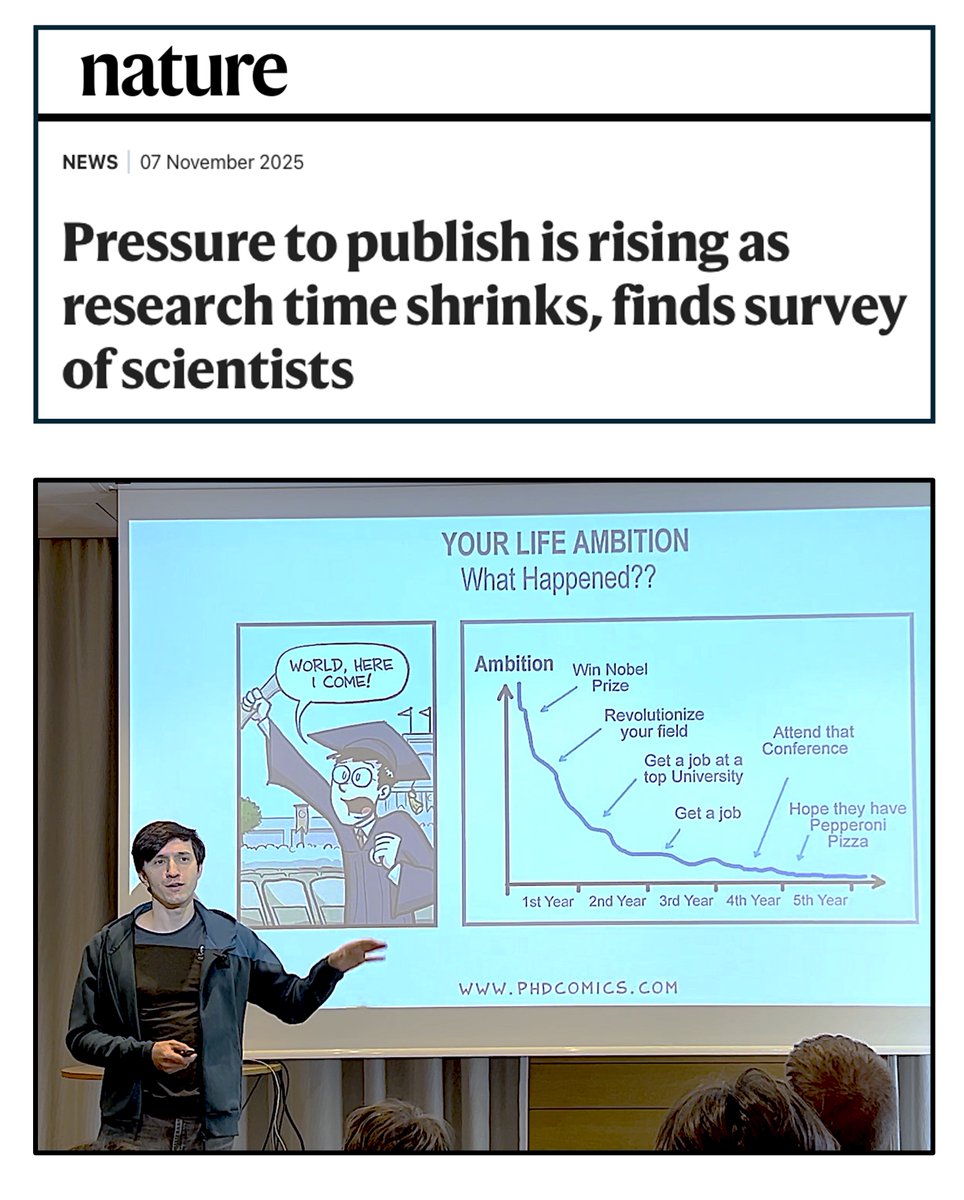
“Pressure to publish jumps. And researchers have no time to do science. (New survey from Elsevier)
Survey of 3200 researchers:
- Only 45% of scientists have sufficient time for actual research.
- For 68%, the pressure to publish today is greater than 2-3 years ago.
- 29% of researchers are considering relocating to another country (for better funding, work‐life balance, or greater research freedom).
- 58% of researchers use AI tools in their work.
- Reported benefits from AI: saving time (58%), helping with literature summaries (61%), literature reviews (51%), data analysis (38%), drafting proposals (41%), and drafting papers (38%).
Globally, life in academia is getting worse.
For students and postdocs – it’s especially hard to decide on an academic career.
A few days ago, I gave a lecture on this topic.
“PhD: Dreams, Reality and Consequences”
Watch it here:
(I’ll appreciate if you ‘like’ this video – you will GREATLY help it reach more students.)”
Stay updated with Hemostasis Today.
-
Oct 13, 2026, 15:51Merel Timmer: Hemophilia Twinning Partnership Strengthens Care and Quality of Life in Indonesia
-
Oct 13, 2026, 15:41Sarah Alam: ASH 2026 Guidelines on Iron Deficiency Diagnosis and Updated Ferritin Thresholds
-
Oct 13, 2026, 15:35Jamie Elmawieh: Prophylactic Anticoagulation Improves Survival in Isolated Tumor Thrombus
-
Oct 13, 2026, 15:30Sally Mandour: Methemoglobinemia When Hemoglobin Cannot Carry Oxygen
-
Oct 13, 2026, 15:21Renel Tique: Advancing Hemophilia Care Through Global Collaboration and Clinical Innovation
-
Oct 13, 2026, 15:08Anastasia Chatzistamati: Unilateral Adrenal Haemorrhage in Primary Antiphospholipid Syndrome
-
Oct 13, 2026, 15:08Yousma Khan: Hematology Practical Series Day 11 Reticulocyte Count and Its Role in Anemia Diagnosis
-
Oct 13, 2026, 14:56Manal Rayyan: Multidisciplinary Collaboration in Rare Bleeding Disorders – Reflections from Abu Dhabi
-
Oct 13, 2026, 14:54Kalyan Roy: Understanding Blood Transfusion Sets for Safe Clinical Administration