

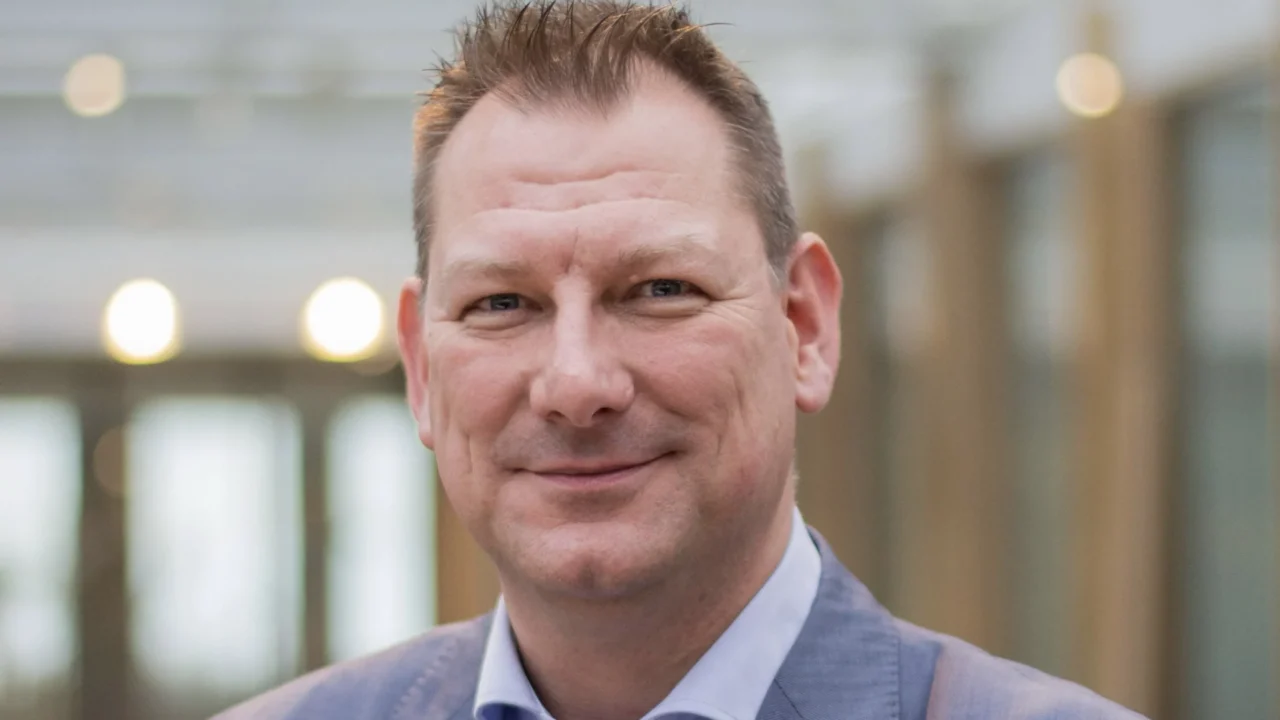
Roy P.C. Kessels: Stroke’s Cognitive Impact on Young Adults Is Significant and Often Overlooked
Roy P.C. Kessels, Full Professor at Radboud University, Clinical Neuropsychologist at Vincent van Gogh Institute for Psychiatry, shared on LinkedIn about a recent article he and his colleagues co-authored, adding:
”Stroke doesn’t just affect older adults; its cognitive impact on young adults is significant and often overlooked.
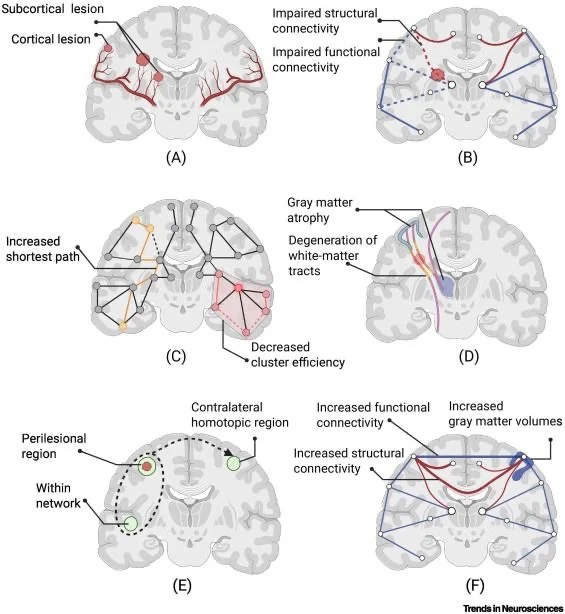
In a review paper just published in Trends in Neurosciences, we provide an overview on the state of the art on the neural mechanisms underlying these impairments and the future challenges.
The highlights:
- Cognitive impairment is common after stroke in younger populations
- Recovery paths vary widely: some improve, while others face delayed cognitive decline months later
- It’s not just localized brain damage; disruption across broader brain networks plays a key role
- Brain resilience, through reserve, adaptability, and compensation, may help explain why outcomes differ
- There’s a clear and urgent need for evidence-based cognitive rehabilitation tailored specifically to young stroke survivors
The takeaway: we need to move beyond a one-size-fits-all approach and invest in personalized, long-term cognitive care strategies for younger patients.
With the Radboudumc stroke research group at the department of neurology: Hao Li, Mijntje Schellekens, Frank-Erik de Leeuw and Anil Man Tuladhar, and Vitória Piai and me from the Neuropsychology and Rehabilitation Psychology department at the Donders Institute for Brain, Cognition, and Behaviour.”
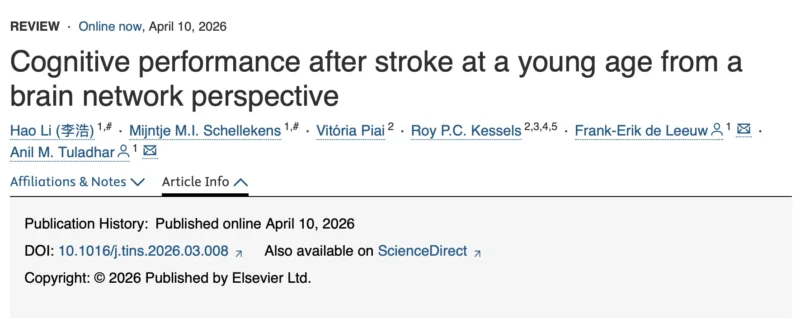
Title: Cognitive performance after stroke at a young age from a brain network perspective
Authors: Hao Li, Mijntje Schellekens, Vitória Piai, Roy Kessels, Frank-Erik de Leeuw, Anil Tuladhar
Read the Full Article on Trends in Neurosciences
Stay updated on all scientific advances with Hemostasis Today.
-
Oct 20, 2026, 22:59Building Effective Patient Advocacy Through Collaboration Between Patients and Clinicians – EHC
-
Oct 20, 2026, 21:22Intezar Mehdi: When Prolonged Bleeding May Indicate an Underlying Bleeding Disorder
-
Oct 20, 2026, 21:06Nandini Pethe: Sharing My Experience as a Caregiver in the HOPE Factor Resource Guide
-
Oct 20, 2026, 16:51Suzan Nakasendwa: A Growing Stroke Challenge in Uganda
-
Oct 20, 2026, 16:38Steve Moon: How Does Smoking Cessation Duration Affect Ischemic Stroke Risk
-
Oct 20, 2026, 16:25Cedrice Mentor: Reducing Platelet Wastage Through Cold Storage
-
Oct 20, 2026, 16:09Thirunavukkarasu Angappan: Can a Purified Fibrinogen Concentrate Replace Cryoprecipitate
-
Oct 20, 2026, 16:01Kalyan Roy: Platelet Conservation Through Evidence-Based Transfusion Practice
-
Oct 20, 2026, 15:28Stacy E. Croteau: 33 Countries, One Mission – Better Bleeding Disorder Care