


Anthony Yazbeck: Why the Hemolysin Test Matters More Than You Think
Anthony Yazbeck, Application Specialist at Atom Medical-Dora, shared a post on LinkedIn:
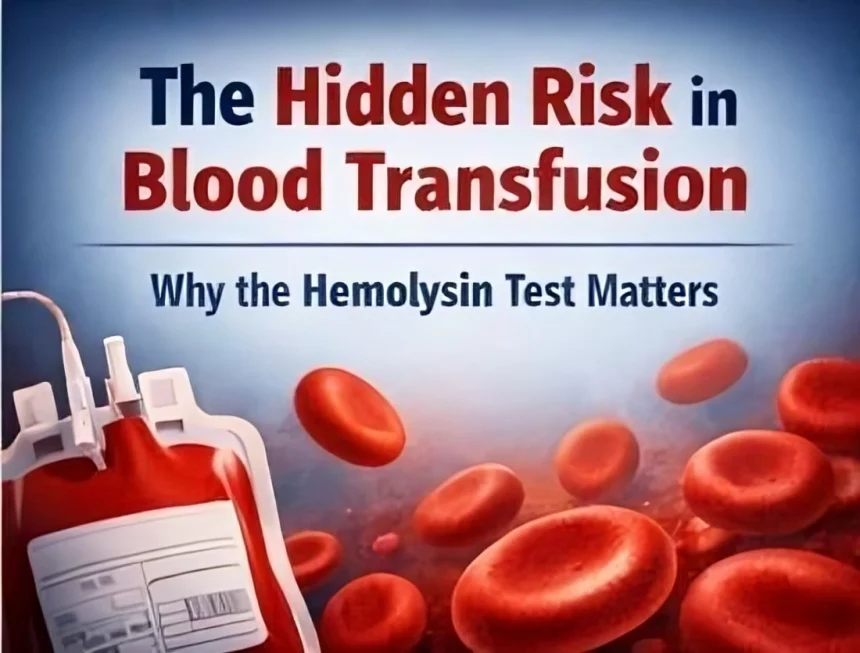
”Why the Hemolysin Test Matters More Than You Think
In transfusion medicine, compatibility goes beyond ABO typing — and this is where the hemolysin test becomes critical.
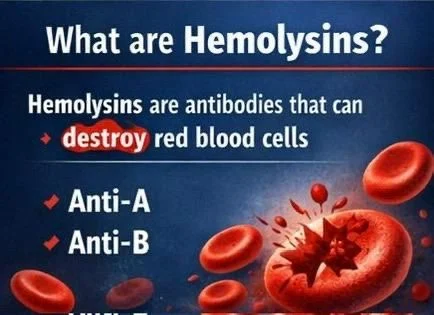
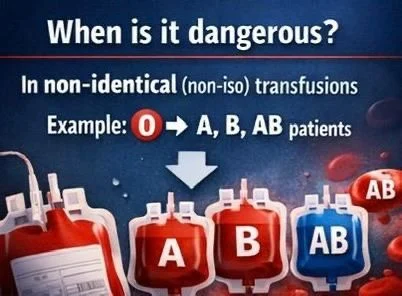
Hemolysins are antibodies capable of destroying red blood cells, particularly anti-A and anti-B, which play a major role in non-identical (non-iso) group transfusions.
Why does this matter?
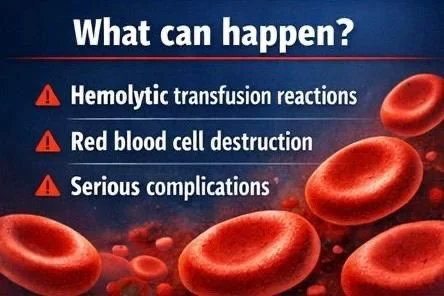
In group O donors, plasma may contain anti-A and anti-B antibodies. When transfused into A, B, or AB recipients, these antibodies can attack the recipient’s red blood cells, leading to hemolytic transfusion reactions.
While antibody titration is often used to assess risk, it only measures the quantity of antibodies — not their ability to cause damage.
The real clinical concern lies in hemolysins: antibodies that can actively activate complement and destroy red blood cells.
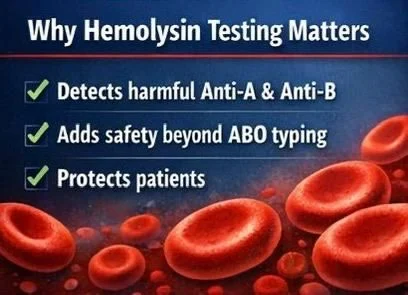
This is why hemolysin testing is essential:
- Detects clinically significant anti-A and anti-B hemolysins
- Adds functional insight beyond antibody titers
- Reduces risk in non-iso group transfusions
- Strengthens donor selection and blood safety
In resource-limited settings, overlooking this step can increase transfusion risks. Strengthening awareness and implementation of hemolysin screening can make a life-saving difference.
Safe blood isn’t just about how much antibody is present — but what it can do.”
Stay updated withHemostasis Today.
-
Nov 8, 2026, 16:54James P. Crowley: DOAC Testing Under 50 ng/mL Safely Expedites Urgent Hip Fracture Surgery
-
Nov 8, 2026, 16:21Alessandra Bosch: Women and Girls With Bleeding Disorders and the DACH Registries at HHS 2026
-
Nov 8, 2026, 15:0310 Posts Not to Miss This Week
-
Nov 8, 2026, 14:55Andra T.: Antiphospholipid Syndrome and Its Thrombotic Risks
-
Nov 8, 2026, 14:06Shayan Mohammadmoradi: ZEUS Trial-Inflammation Reduction Without Fewer Cardiovascular Events
-
Nov 8, 2026, 14:05Kausik Ray: Plaque-Guided Care for Better Coronary Outcomes
-
Nov 8, 2026, 14:05Athira Elssa Johnson: Understanding Coronary Thrombosis and Its Risks
-
Nov 8, 2026, 14:04Sanjiv Beri: Blood Type Compatibility and the Balance of Giving and Receiving
-
Nov 8, 2026, 14:02Gabriela Hobbs: Recognizing Outstanding Abstract Achievements-ASH 2026