

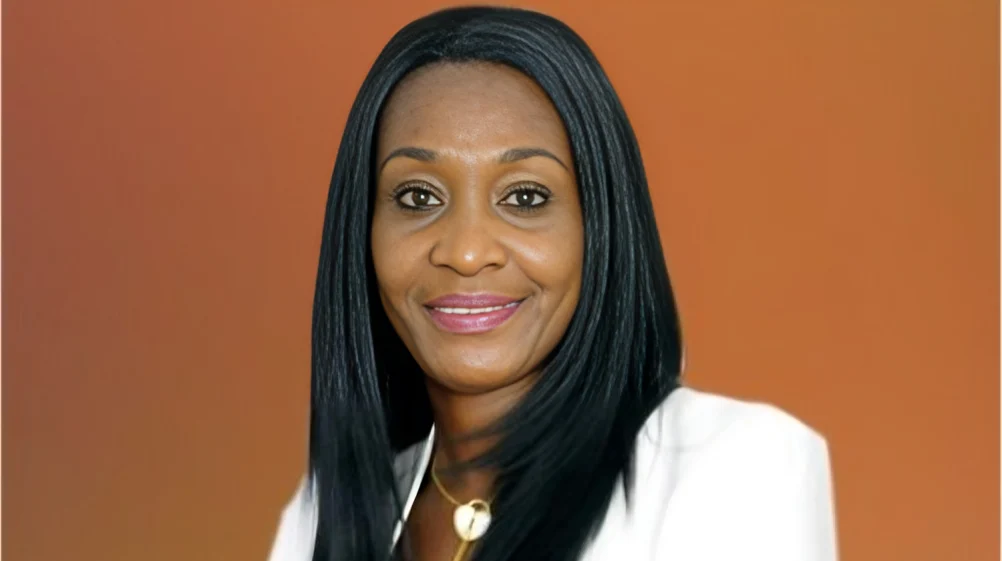
Augustina Isioma Ikusemoro: Is Blood Really Affordable?
Augustina Isioma Ikusemoro, Hematology and Transfusion Medicine Specialist at Sharjah Blood Transfusion and Research Center, shared a post on LinkedIn:
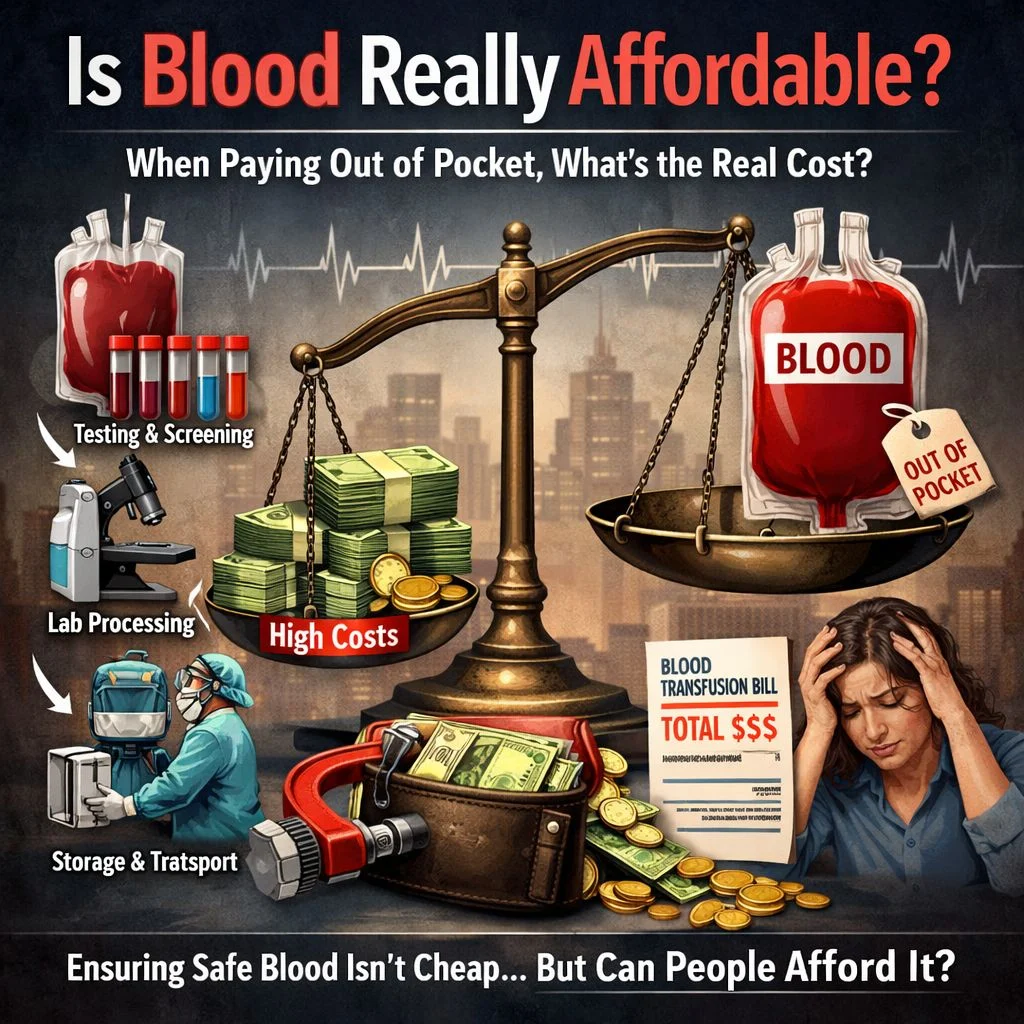
“In many LMICs, families must pay out of pocket for blood transfusions – often at the worst moment of their lives.
Behind every ‘unit’ of blood lies:
- Testing
- Processing
- Cold storage
- Transport
- Skilled expertise
Safe blood saves lives — but it isn’t cheap to produce.
The real tragedy?
- People don’t die because blood doesn’t exist.
- They die because they can’t afford it.
No woman should bleed to death in childbirth.
No child should die of treatable anemia.
No trauma victim should be denied transfusion because of cost.
- Safe blood must be treated as a public health necessity — not a market commodity.
Universal Health Coverage is incomplete without universal access to safe blood.
The Way Forward
Countries that have transformed blood safety share common solutions:
- Strong centralized national blood services
- Government financing and policy commitment
- Universal access models (blood as a public good)
- Investment in infrastructure and workforce
- Robust donor recruitment systems
- Integration into national health insurance schemes
Safe blood systems do not emerge by chance — they are built through leadership, policy, and sustained investment.
- We must stop asking whether blood is expensive.
- We must start asking why patients are the ones paying the price.
Blood is not just a product.
It is a critical component of health system resilience.
And in emergencies, it is the difference between life and death.
If your country still relies heavily on out-of-pocket payments for blood transfusion, what reforms do you believe are most urgent?
Let’s move this conversation from awareness to policy to action.”
Stay updated with Hemostasis Today.
-
Sep 30, 2026, 11:16Christina Pohlman: Could aPL Levels Help Predict Stroke Recurrence?
-
Sep 30, 2026, 10:55Rana Al Hrout: Diagnostic Approach to Hypochromic Microcytic Anemia
-
Sep 30, 2026, 01:52Javed Anees: DADA2 – When a Young Stroke Is More Than a Stroke
-
Sep 30, 2026, 01:51How a Venous Thrombus Becomes Revascularized – ISTH
-
Sep 29, 2026, 22:45Victor Agunyego: Paracetamol – The Most Common Drug We Underestimate
-
Sep 29, 2026, 22:42Nova Sinclair: Advancing the Future of Hematology – Meet Our 2027 Organizing Committee
-
Sep 29, 2026, 22:41Lorenz Räber: Intracoronary Imaging in PCI – Why, When, How, and Which Modality?
-
Sep 29, 2026, 22:31Selma Turkovic: Pleased to Deliver the Opening Presentation at Kingston Hospital
-
Sep 29, 2026, 22:31Miguel Teran: Ultrasound and Simulation in Arterial Blood Sampling