

Ayman Arif: Understanding PRP Therapy in Aesthetic Medicine
Ayman Arif, Medical Doctor at Abbasi Shaheed Hospital, shared a post on LinkedIn:
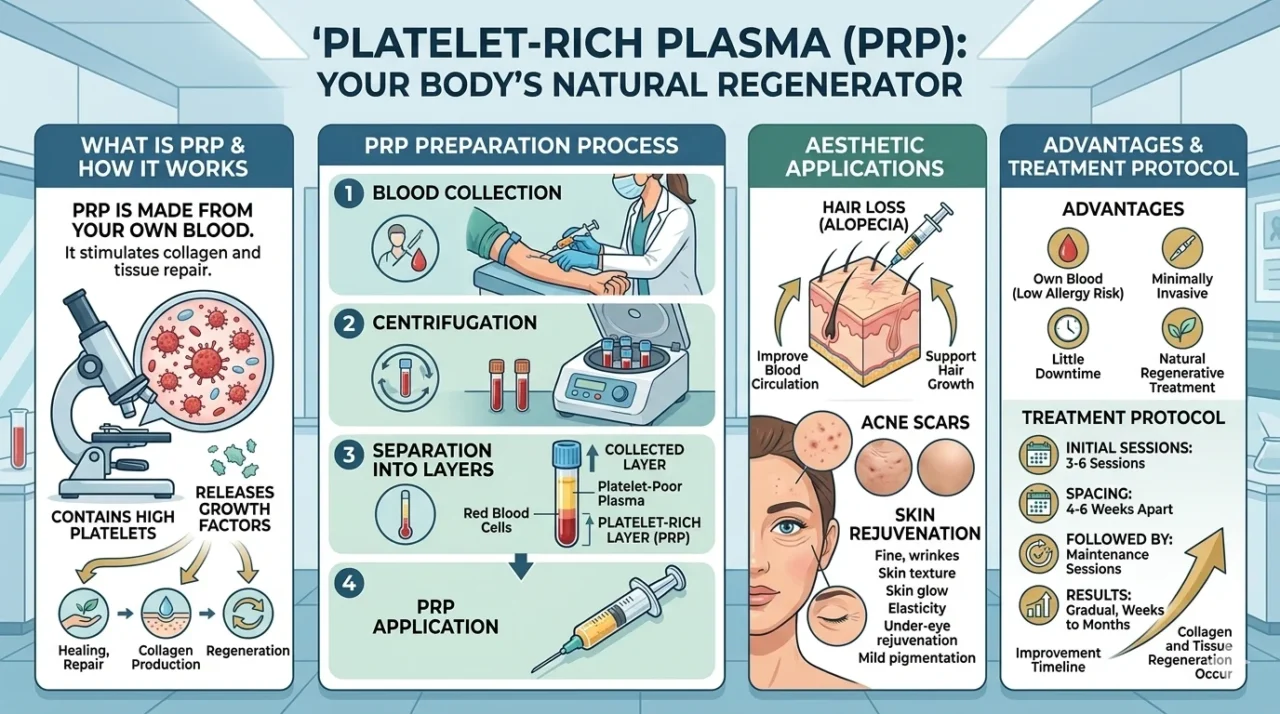
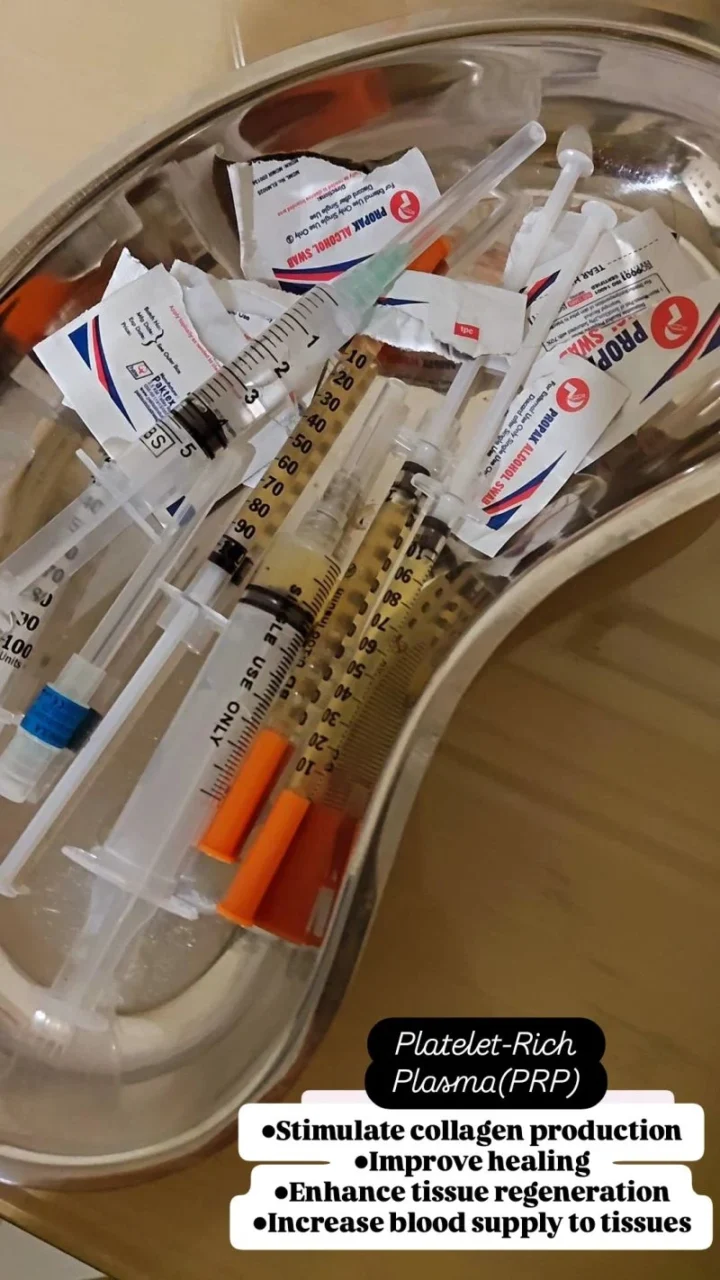
“Platelet-Rich Plasma (PRP) — is made from a person’s own blood, works by stimulating collagen and tissue repair.
It contains a high concentration of platelets, which release growth factors that help in healing, repair, collagen production, and regeneration.
How is PRP prepared?
- A small amount of blood is taken from the patient.
- The blood is placed in a centrifuge machine.
- The machine separates the blood into layers.
- The platelet-rich layer (PRP) is collected.
- PRP is then injected or applied to the treatment area.
Applications of PRP in aesthetics:
PRP for hair loss (Alopecia)
PRP is injected into the scalp to stimulate hair follicles, improve blood circulation, and support hair growth. It is commonly used in androgenetic alopecia.
PRP for skin helps improve:
- Acne scars
- Skin rejuvenation
- Fine lines and wrinkles
- Under-eye rejuvenation
- Skin texture
- Skin glow
- Elasticity
- Mild pigmentation
Advantages of PRP:
- Uses patient’s own blood
- Minimally invasive
- Low risk of allergy
- Little downtime
- Natural regenerative treatment
How many sessions are needed?
- 3–6 sessions initially
- Sessions spaced about 4–6 weeks apart followed by Maintenance sessions.
Results are gradual, not instant. Improvement usually appears over weeks to months as collagen and tissue regeneration occur.”
Stay updated with Hemostasis Today.
-
Oct 8, 2026, 12:20Berrin Gunaydin: Functional Biomarkers of Iron Deficiency in Pregnancy
-
Oct 8, 2026, 11:45Wolfgang Miesbach: Milvexian After Acute Coronary Syndrome – What LIBREXIA ACS Found
-
Oct 8, 2026, 11:36John Erbey: Kidney Disfunction as a Cause of Anemia
-
Oct 8, 2026, 11:31Navneet Mishra: Sitosterolemia as an Under-Recognised Cause of Cytopenias
-
Oct 8, 2026, 11:06Houman Khosravani: Stroke and Thrombosis – Bridging Neurology and Hemostasis
-
Oct 8, 2026, 04:28Jeff Molter: Electrophysiological PIEZO1 Analysis Advances Diagnosis in Hereditary Xerocytosis
-
Oct 8, 2026, 04:23Barbara Adams Krolak: Women and Blood Clots Are We Missing the Warning Signs
-
Oct 8, 2026, 04:10Rutendo Muzambi: Hospital Admission Patterns and Care Disparities in Sickle Cell Disease
-
Oct 8, 2026, 03:50Olfat Berro: Redefining the Future of Haemophilia A