

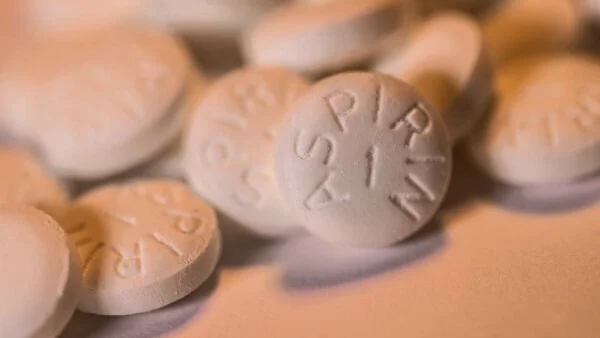
Photo: depositphotos.com
Feb 4, 2026, 16:55
Bhavesh Thakkar: The Most Dangerous Assumption About Aspirin Is That It’s “Simple”
Bhavesh Thakkar, Clinical Pharmacist Intern at Fortis Healthcare, shared a post on LinkedIn:
”The most dangerous assumption we make about Aspirin? That it’s ‘simple.’
During my rotations at Fortis, I’ve realized that Aspirin is perhaps the most misunderstood drug on the shelf.
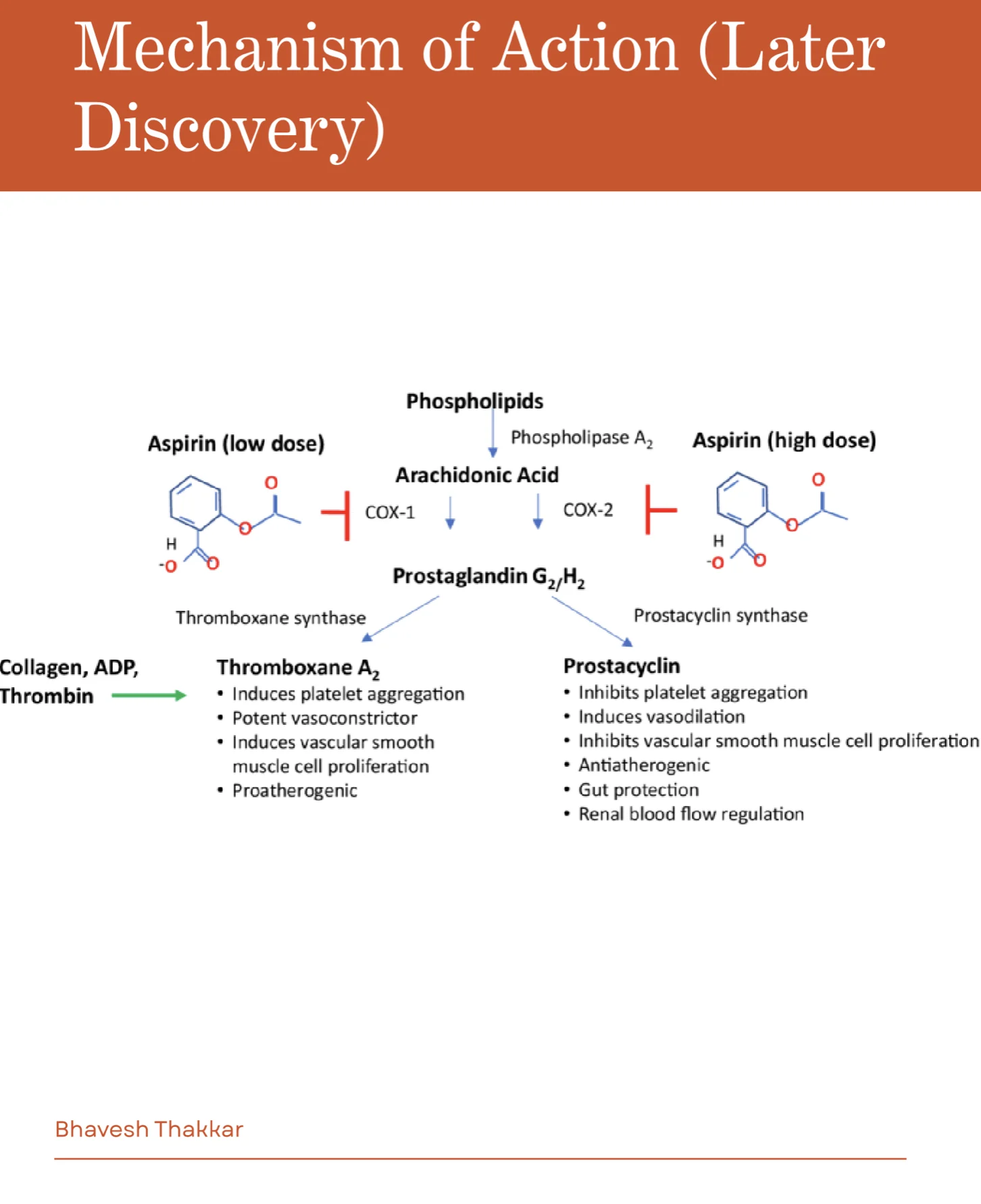
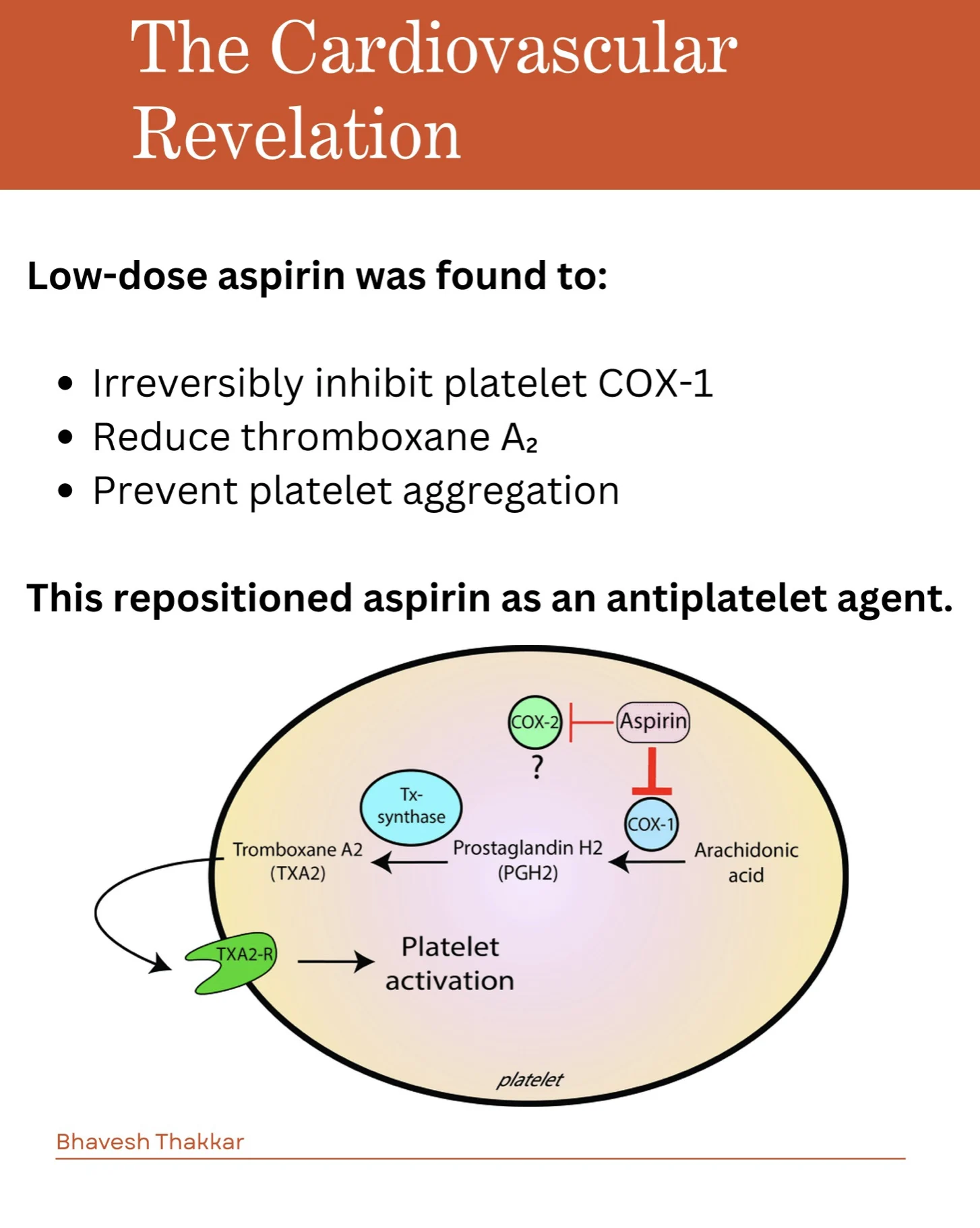
We often treat it as a basic NSAID. But the data tells a much more complex story.
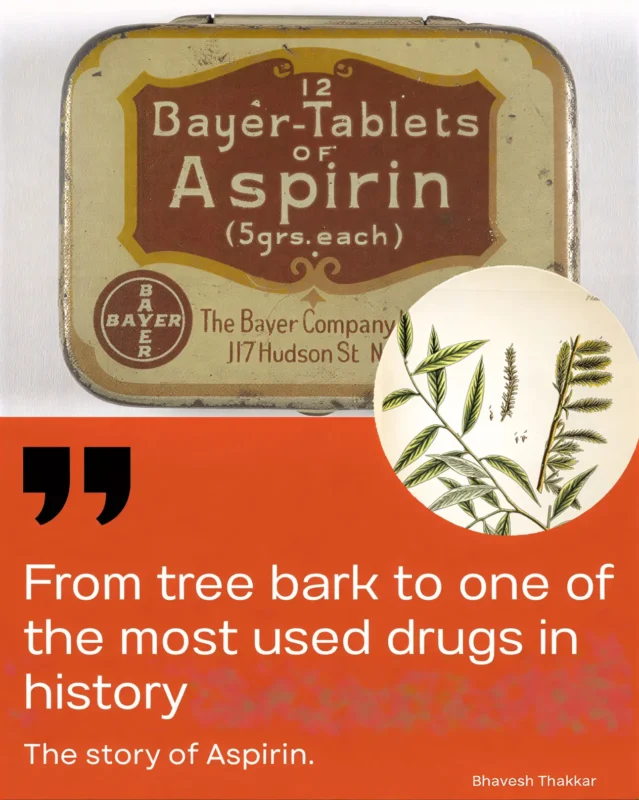
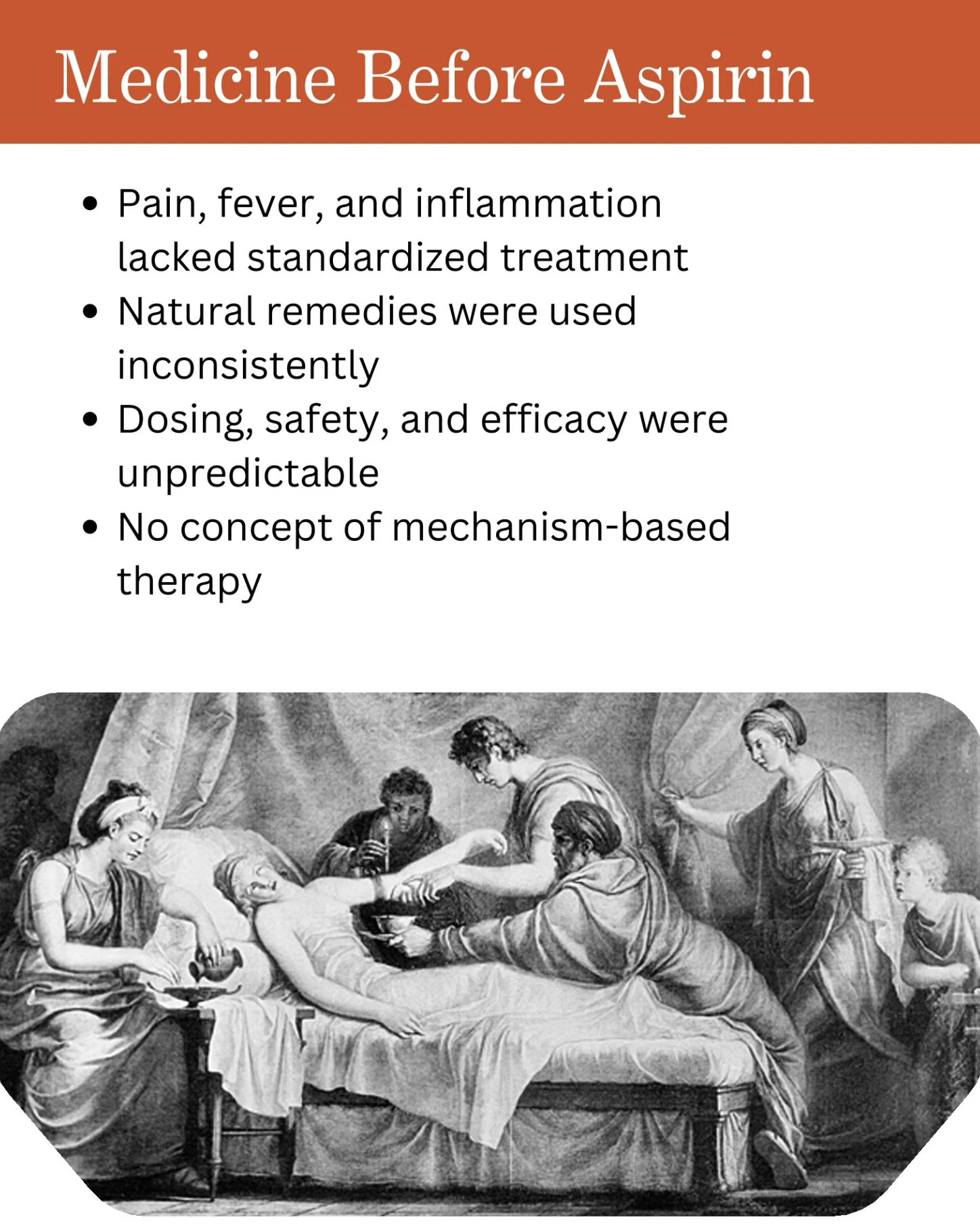
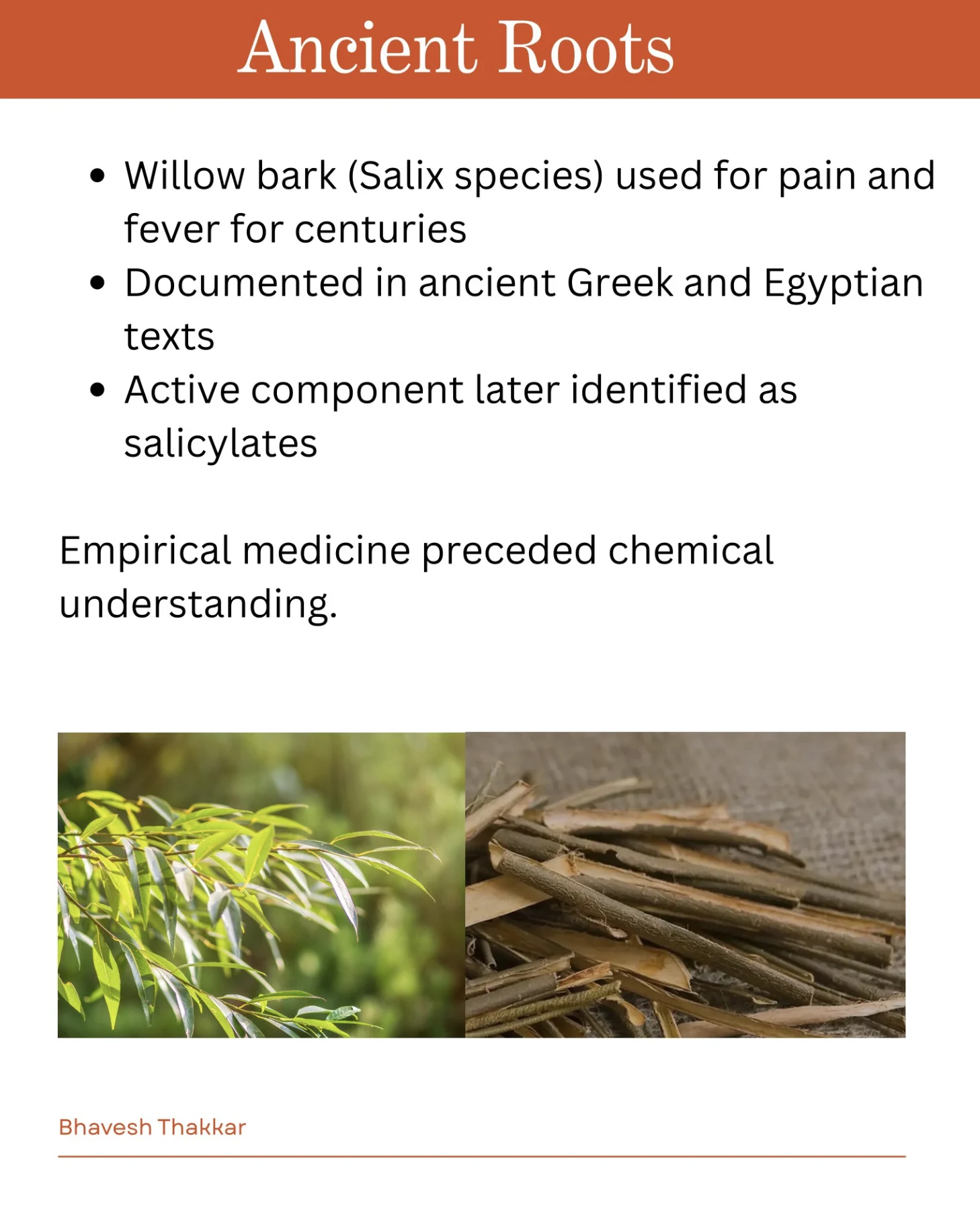
From ancient willow bark to the modern debates on primary prevention, the ‘Story of Aspirin’ is actually a lesson in how evidence-based medicine evolves.
I put together this timeline to track that journey.
Inside this breakdown:
- The ‘Willow Bark’ origins (long before Bayer).
- How it changed the way we treat inflammation.
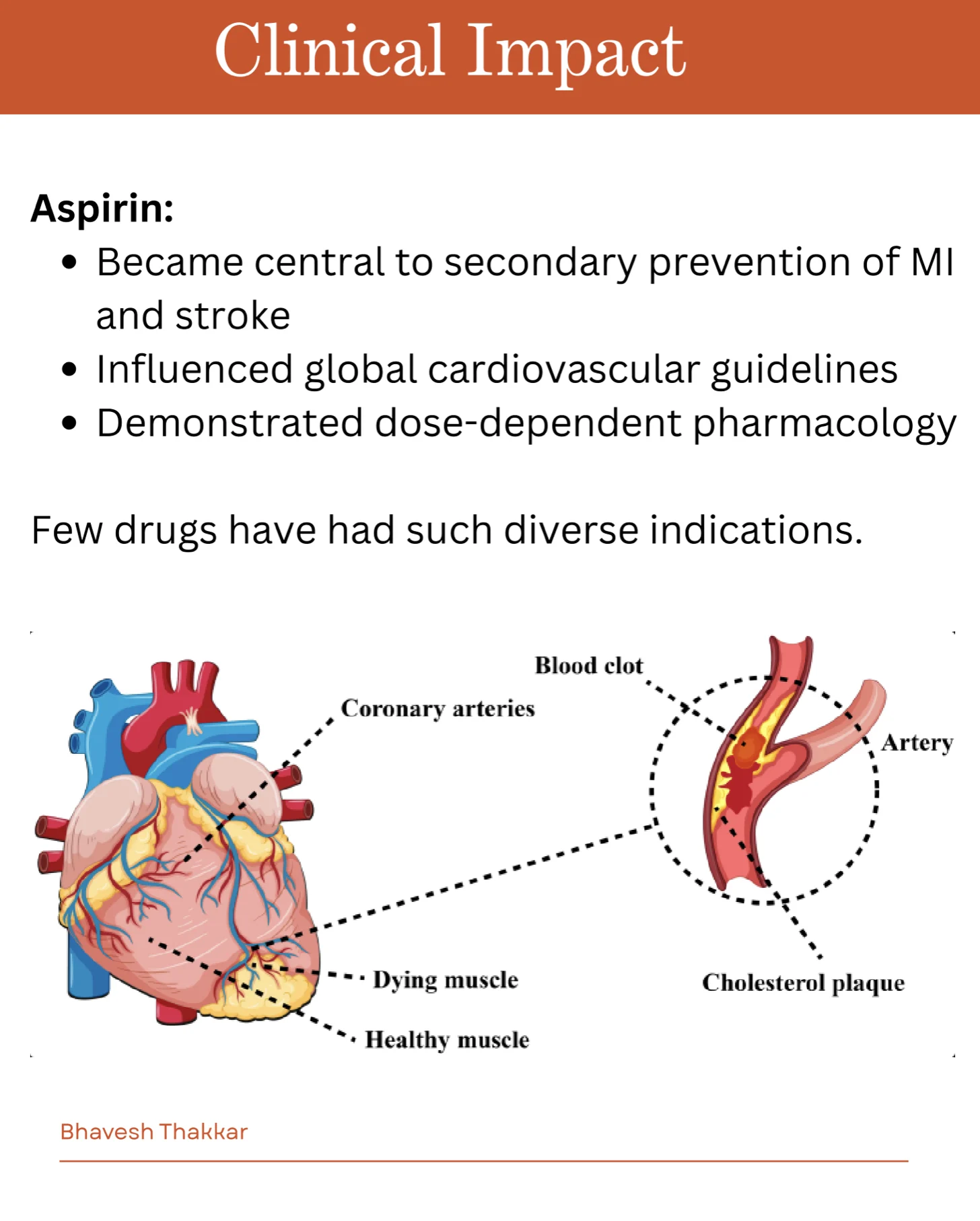
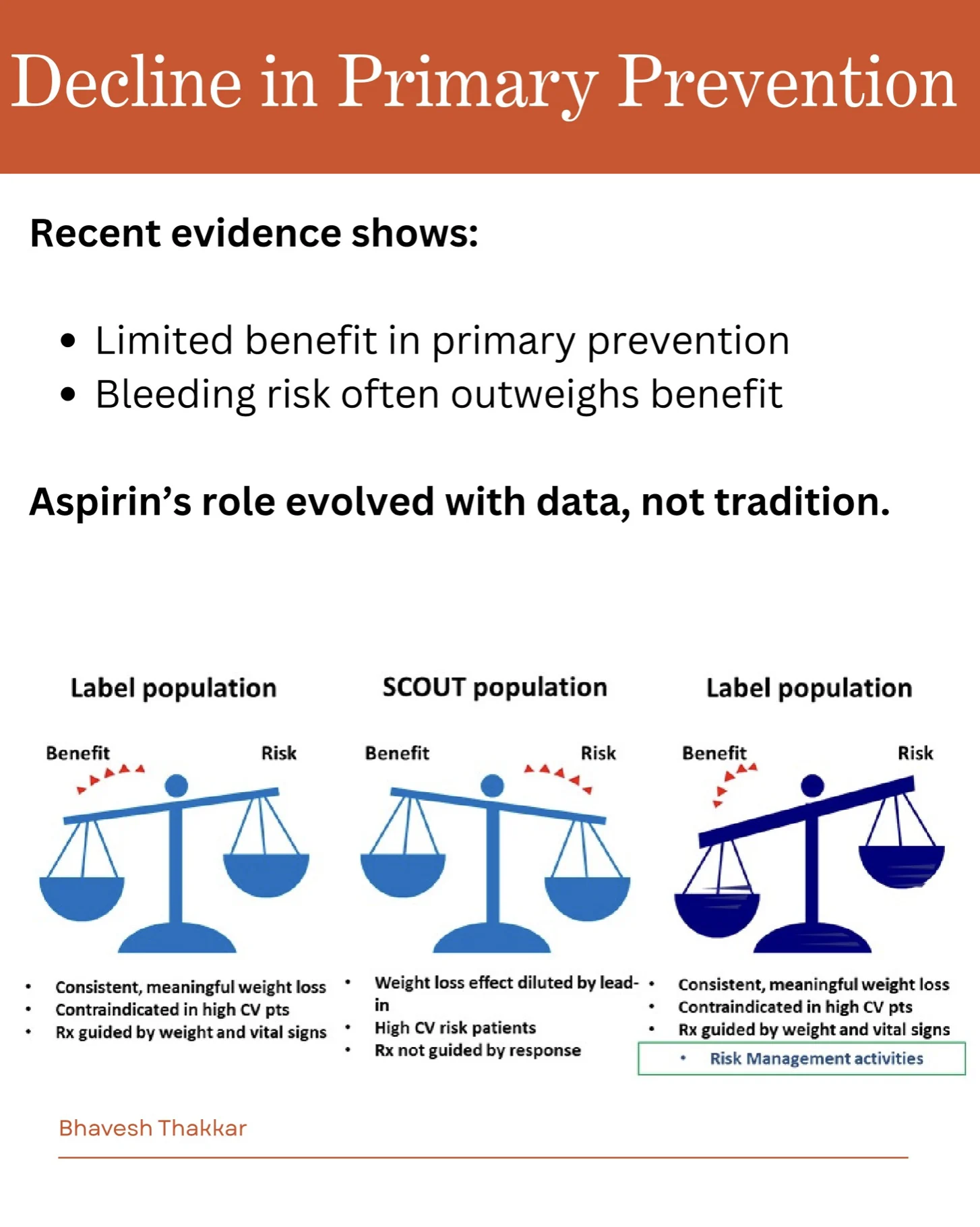
- The shift in guidelines: Why ‘routine’ use is now being questioned.
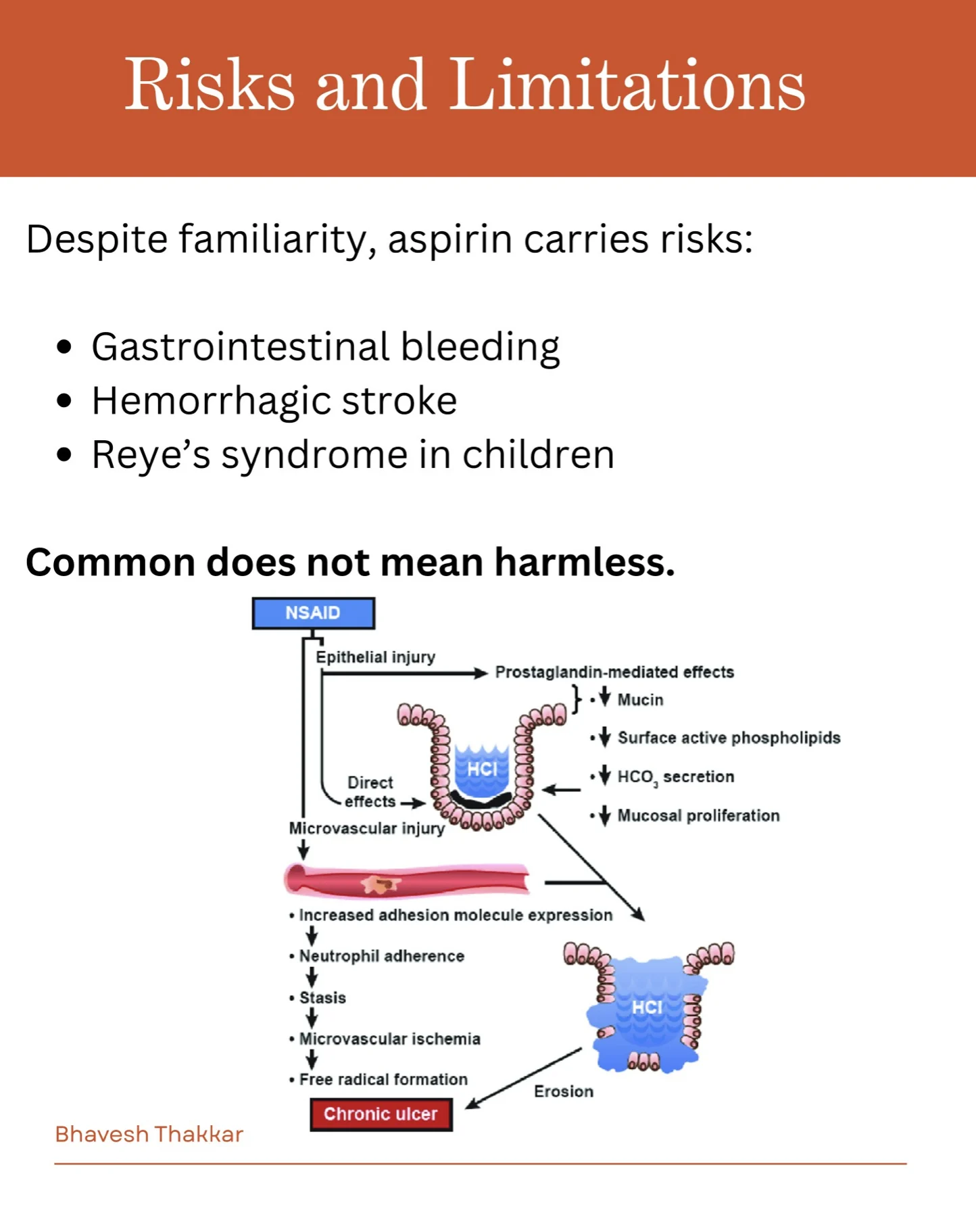
- Slide 12 was the biggest realization for me regarding the risk/benefit ratio in modern practice.
Pharmacists and Medics:
When do you still recommend Aspirin for primary prevention? Or have you stopped completely?”
Stay informed with Hemostasis Today.
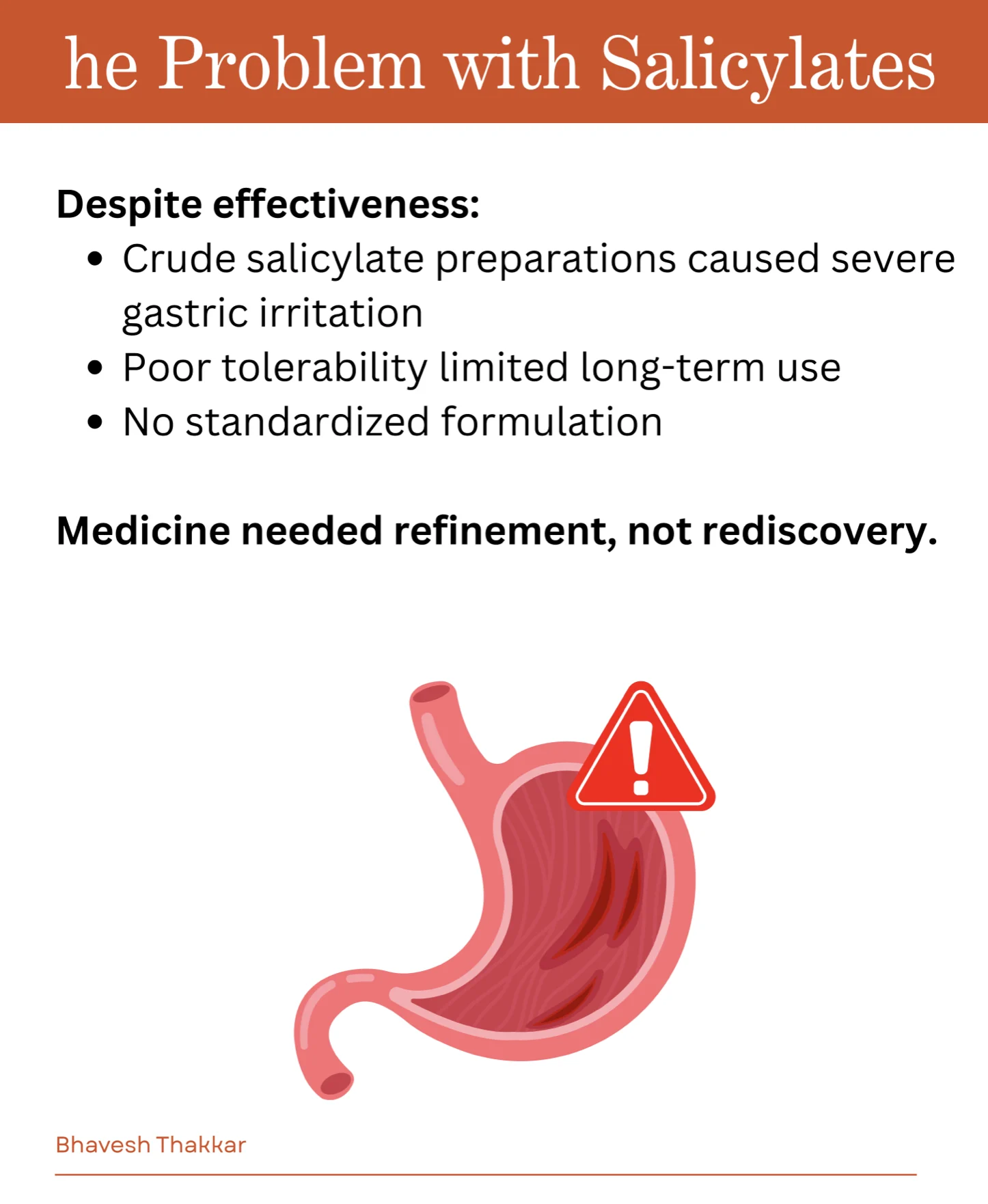
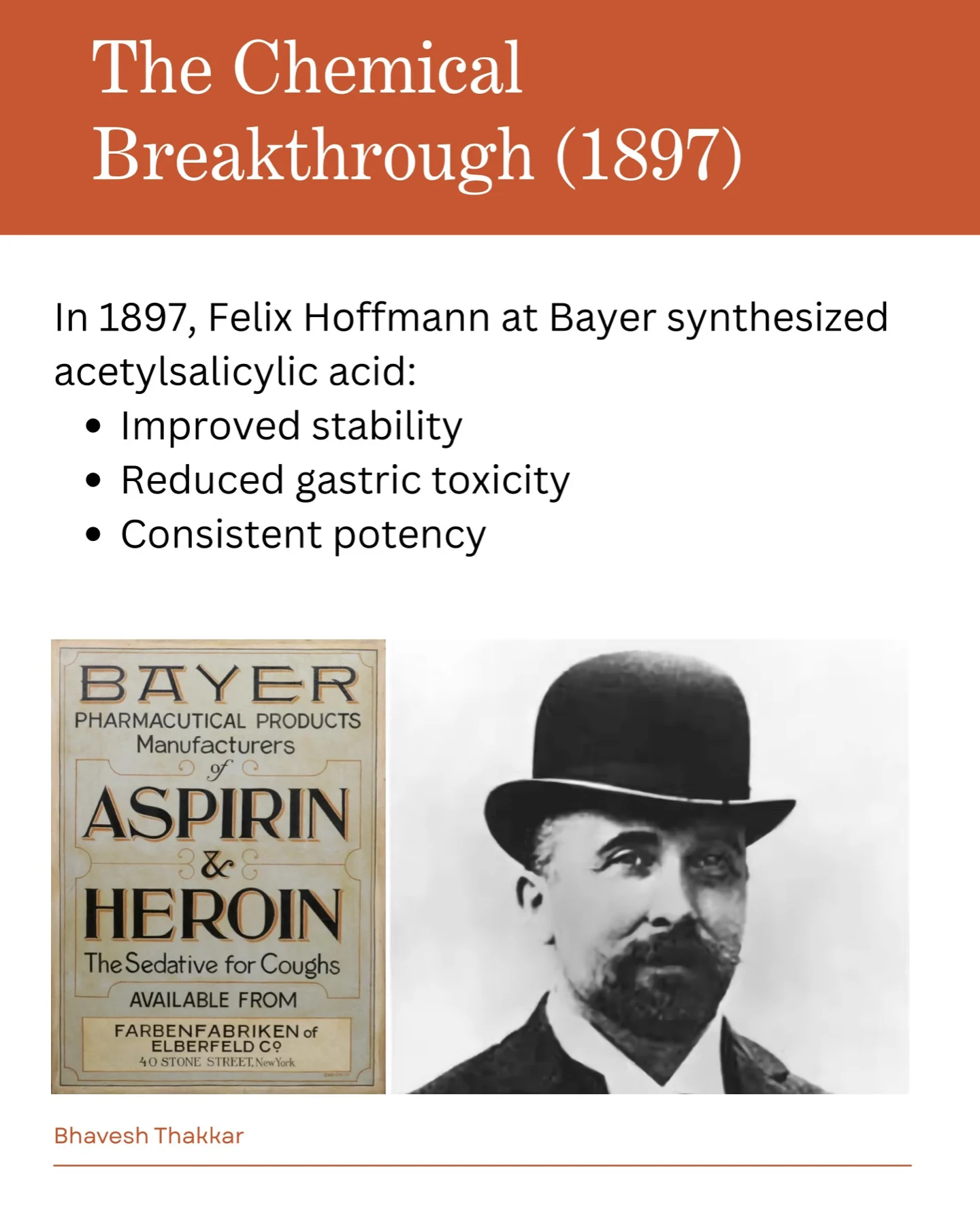
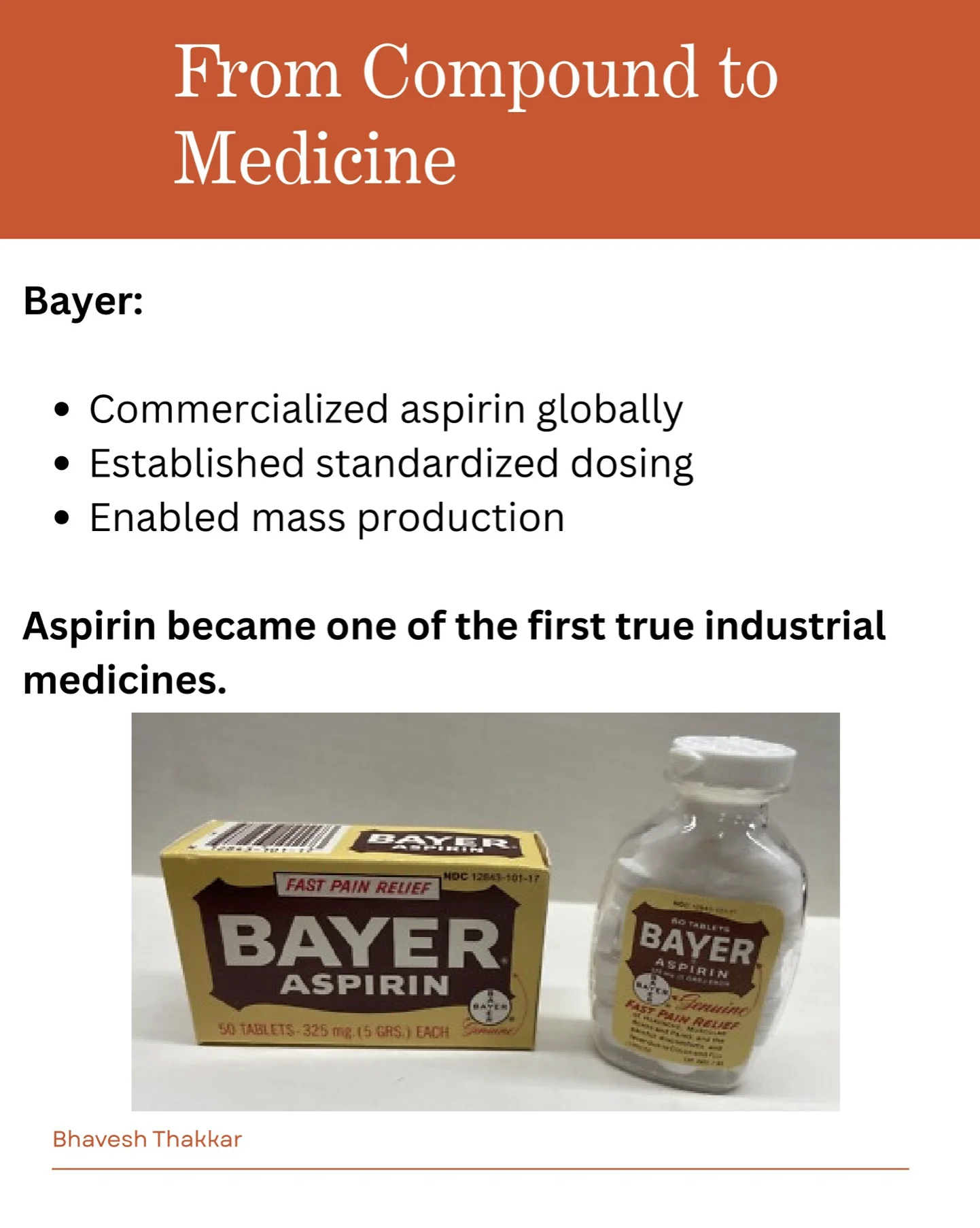
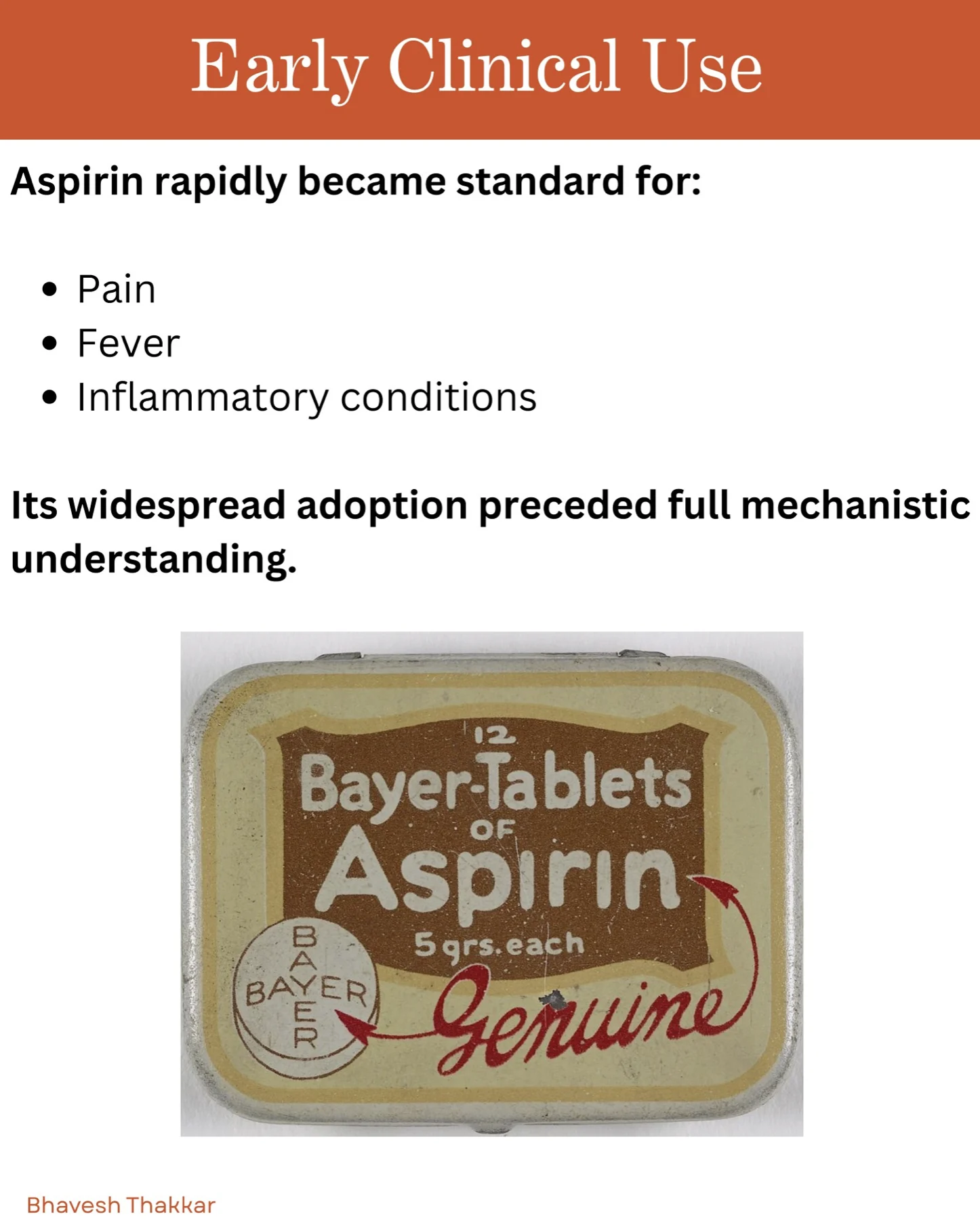
-
Nov 8, 2026, 12:22Marc Carrier: Advancing Catheter-Related Thrombosis Prevention Through Factor XI Inhibition
-
Nov 8, 2026, 11:56Why Genetic Predisposition Does Not Always Lead to Thrombosis – Stork Genetics
-
Nov 8, 2026, 11:45Sher-Lu Pai: Investigating Intracardiac Thrombosis and Its Management in Liver Transplantation
-
Nov 8, 2026, 11:25Mehmet Cilingiroglu: Navigating Anticoagulation Choices in Acute Coronary Syndrome PCI
-
Nov 8, 2026, 07:16Gilberto de lima Lopes Junior: The Cardiovascular Consequences of Cancer in Younger Patients
-
Nov 8, 2026, 06:51Haney Mallemat: Key Principles and Pitfalls of LVAD Emergencies
-
Nov 8, 2026, 06:31Maria Omer: Clinical Recognition and Management of Cavernous Sinus Thrombosis
-
Nov 8, 2026, 06:16Natasha Jolakoski: University of New Mexico Hospital Promotes PGY-2 Thrombosis and Hemostasis Management Pharmacy Residency
-
Nov 8, 2026, 05:47Safaa Hilal: POCUS in the Evaluation of Perioperative Troponin Elevation