


Bruno Pougault: Heparin Monitoring Remains One of the Most Challenging Areas in Laboratory Hemostasis
Bruno Pougault, Global Marketing Hemostasis Product Manager at HORIBA, shared on LinkedIn:
“Heparin monitoring remains one of the most challenging areas in laboratory hemostasis.
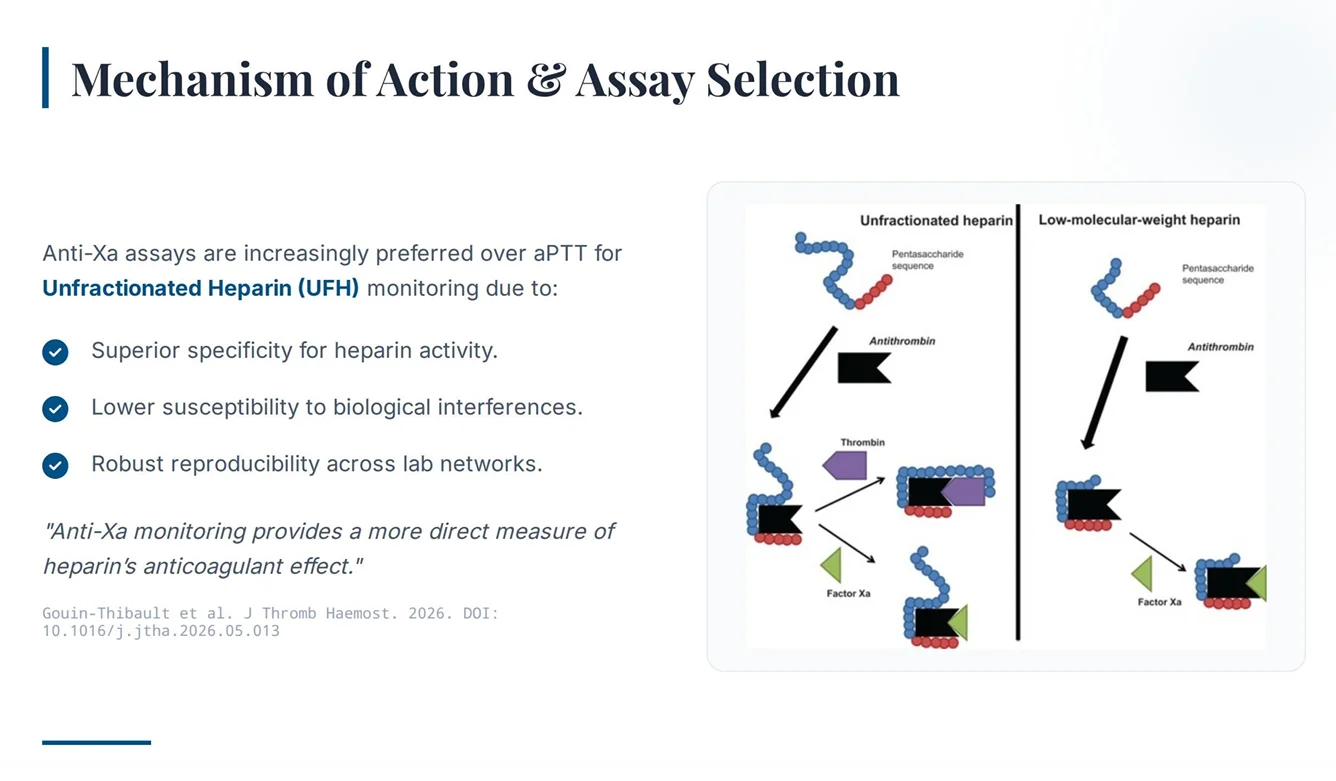
While chromogenic Anti-Xa assays are increasingly the gold standard over aPTT due to their superior specificity and reduced interference, a critical question often goes overlooked in clinical practice.
Are we truly capturing the patient’s physiological heparin status, or are we just seeing the effect of our reagent selection?
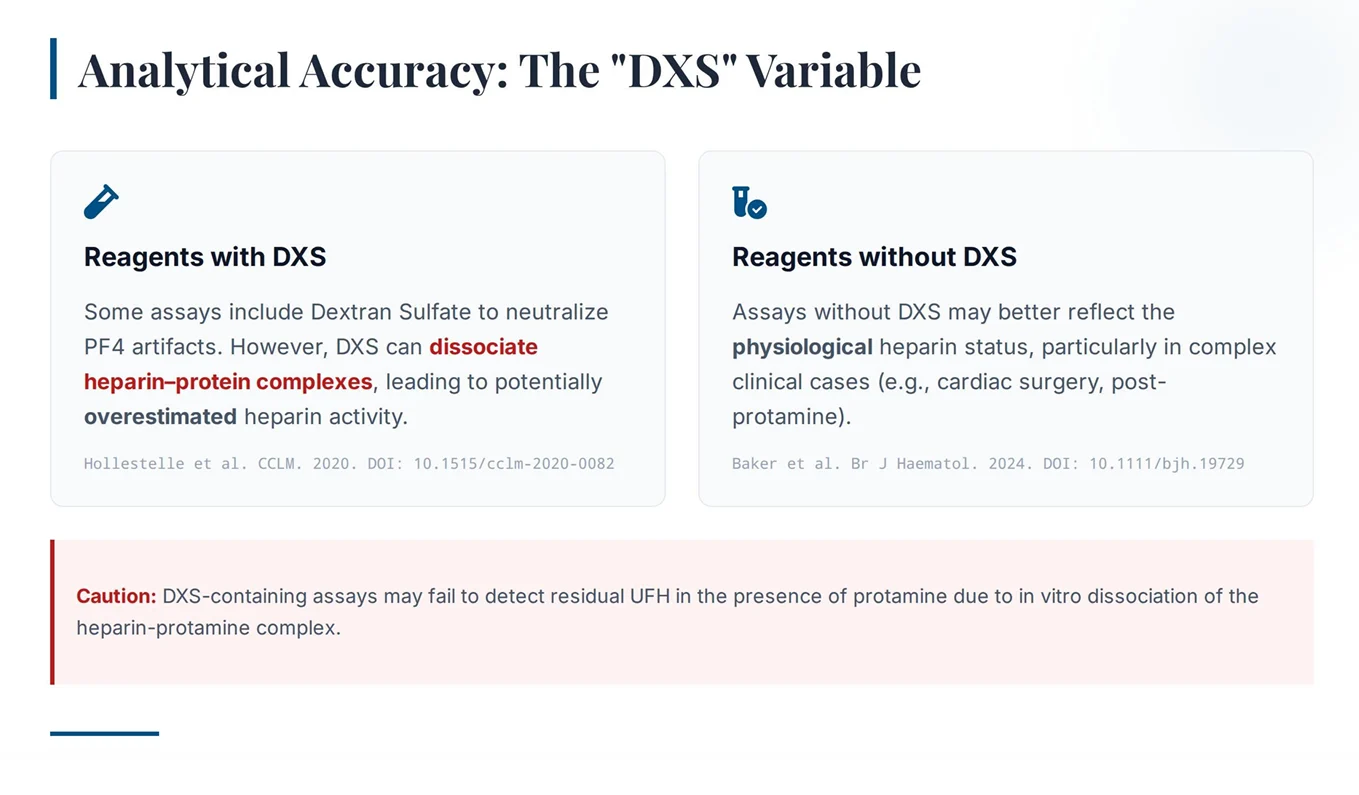
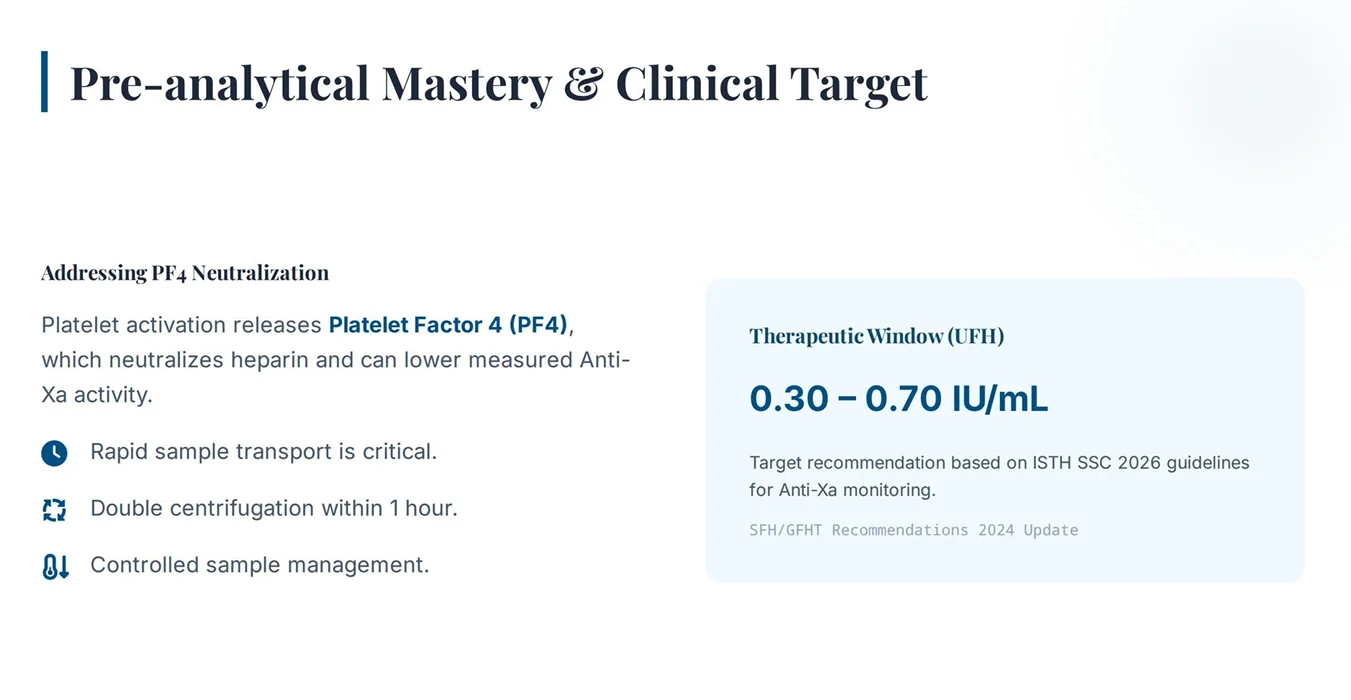
From the impact of Dextran Sulfate (DXS) causing artifactual dissociation of heparin complexes, to the critical nature of PF4-mediated neutralization during pre-analytical phases, the way we measure is as vital as the numerical result itself.
With the ISTH 2026 Congress in Paris just a week away, heparin monitoring is taking center stage. Several sessions in the upcoming program are dedicated to this exact topic, highlighting how analytical variables directly influence clinical decision-making and patient safety in high-stakes environments like cardiac surgery and critical care.
In the carousel below, we break down:
- Why assay choice matters (The ‘DXS’ variable).
- How to master pre-analytical variables to avoid underestimation.
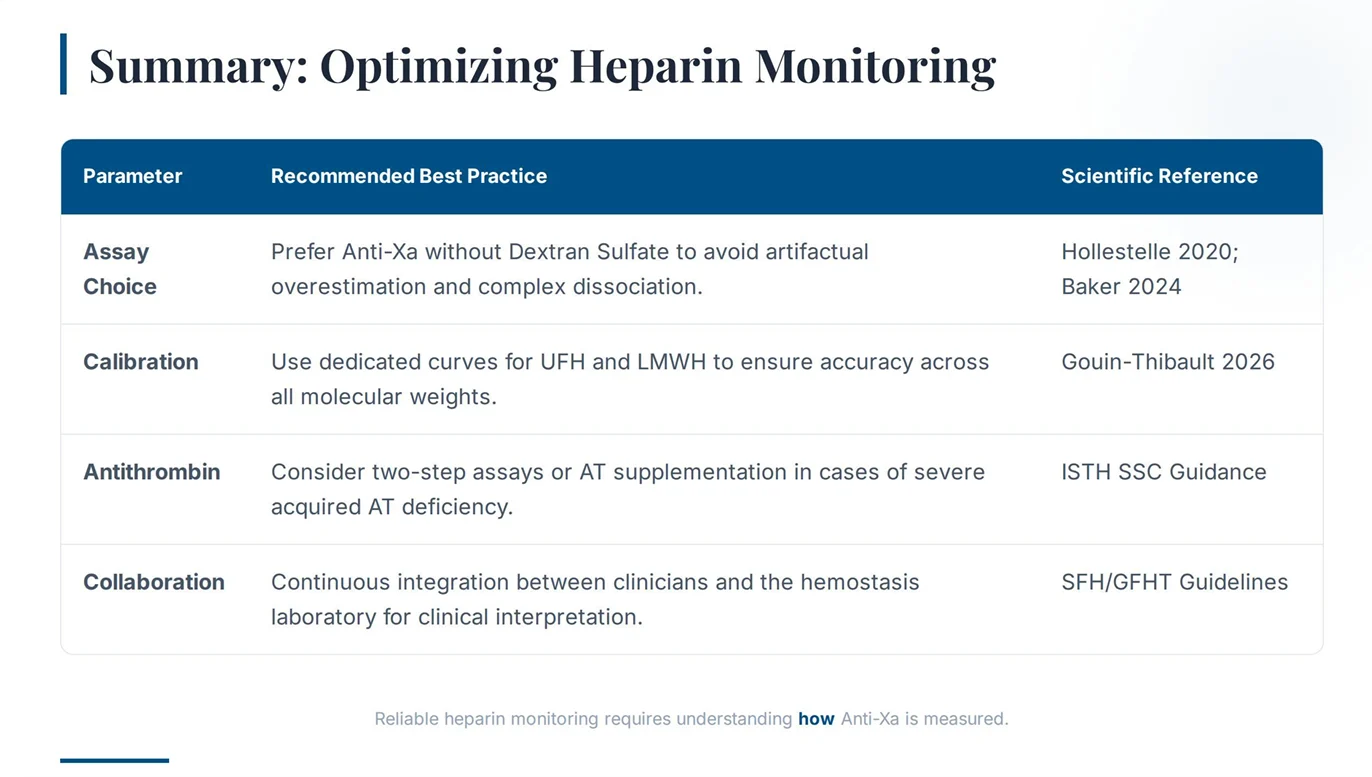
- Current 2024–2026 best practices from ISTH, BSH, and SFH guidelines.
Reliable monitoring requires more than just measuring activity—it requires a deep understanding of how that activity is being measured.
Are you attending ISTH 2026? Let’s connect and discuss the future of hemostasis monitoring.”

Find more posts featuring Bruno Pougault on Hemostasis Today.
-
Nov 24, 2026, 15:57100 Years of von Willebrand Disease – From VWF Structure to Clinical Management and Future Directions – Seminars in Thrombosis and Hemostasis
-
Nov 24, 2026, 15:46Matthew Hazell: Rare Blood – Connecting Science with the Patient Experience
-
Nov 24, 2026, 15:23Cold Agglutinin Disease: Beyond Hemolysis Toward Complement-Directed Treatment
-
Nov 24, 2026, 15:19Essama Telli: Recognizing Retiform Purpura as a Sign of Vascular Injury and Thrombosis
-
Nov 24, 2026, 15:11Kerstin Piayda: University Hospital Giessen Performs Europe’s First PE Procedure With Lightning Flash 3.0
-
Nov 24, 2026, 14:55Cecilia Kretz: Evaluating Aspirin-Free Antithrombotic Strategies in HeartMate 3 Patients
-
Nov 24, 2026, 14:54The Future of Global Hemophilia Care and the Impact of the World Health Assembly Resolution
-
Nov 24, 2026, 14:39Andrija Velevski: Why Oxygen Availability Does Not Guarantee Tissue Oxygenation
-
Nov 24, 2026, 14:27Basyouni Omran: Clinical Guidance on Antiplatelet Use in Acute Ischemic Stroke