

Feb 16, 2026, 15:29
Chokri Ben Lamine: Key Clinical Insights of Drug Induced Thrombocytopenia
Chokri Ben Lamine, Adult Hematology and SCT Assistant Consultant at Oncology Center of Excellence at King Faisal Specialist Hospital and Research Center, shared a post on X:
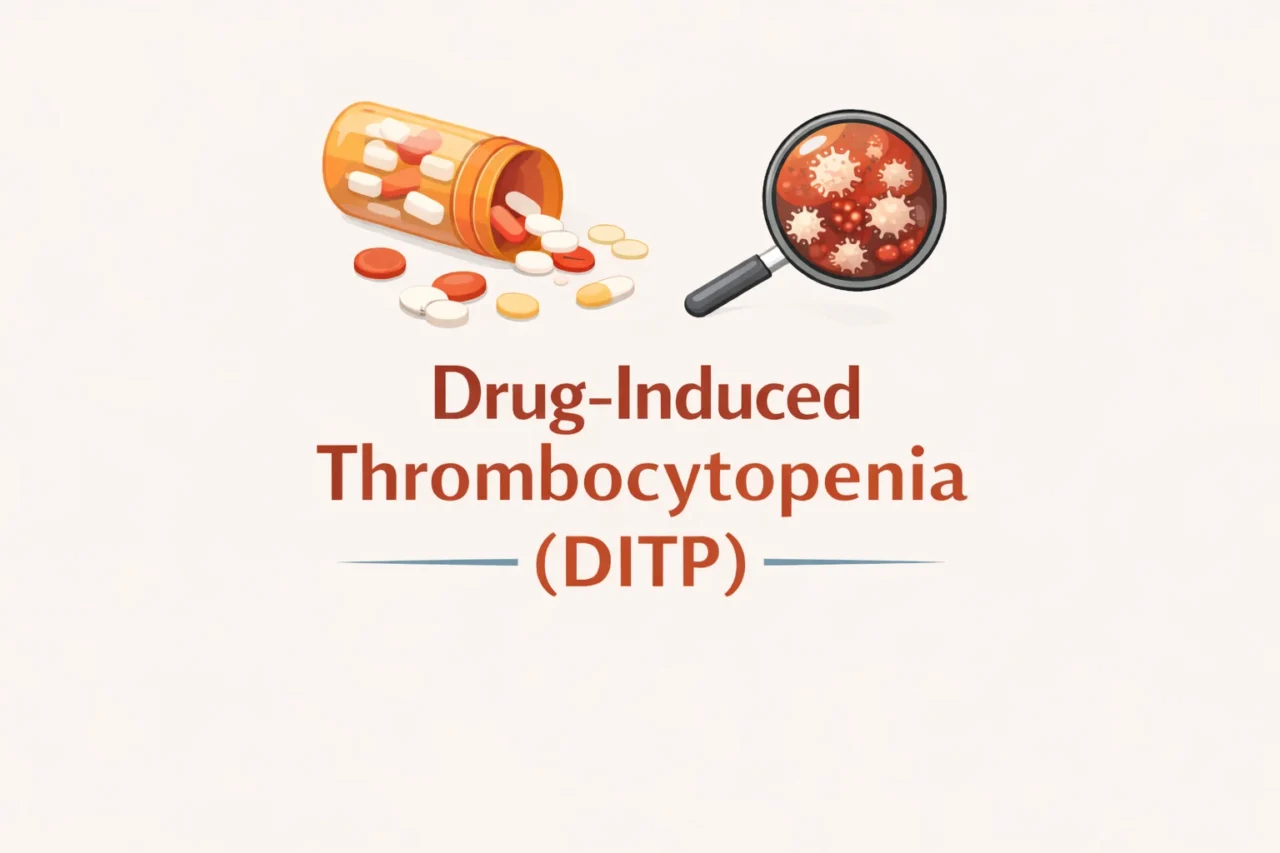
“Drug-Induced Thrombocytopenia (DITP) – 50 Tweet Pearls
- DITP means immune- or nonimmune-mediated platelet drop after drug exposure
- Often abrupt, severe (below 20 ×10⁹/L)
- Onset usually 5–10 days after first exposure
- Faster (hours) if previously sensitized
- Mechanism (immune): drug-dependent antibodies bind platelet glycoproteins
- Common targets: GPIIb/IIIa, GPIb/IX
- Platelet destruction leads to splenic clearance
- Classic culprits: quinine / quinidine
- Vancomycin is a frequent modern cause
- TMP-SMX
- Beta-lactams
- Linezolid (dose & duration related)
- Heparin requires considering HIT (separate mechanism)
- GP IIb/IIIa inhibitors
- Carbamazepine
- Phenytoin
- Rifampin
- Chemotherapy agents
- Immune checkpoint inhibitors (rare)
- Herbal quinine-containing products
- Bleeding risk increases when below 10–20 ×10⁹/L
- ICH rare but possible
- Mucosal bleeding common
- Coags usually normal (except HIT or DIC overlap)
- Peripheral smear shows isolated thrombocytopenia
- Key diagnostic clue is temporal relation
- Platelets fall rapidly after re-exposure
- Recovery usually 4-7 days after stopping drug
- Drug-dependent platelet antibody tests exist
- Testing not always available; clinical diagnosis dominant
- Differentiate from ITP (no drug trigger)
- Differentiate from HIT (thrombosis predominates over bleeding)
- Differentiate from TMA (schistocytes)
- Bone marrow usually normal or increased megakaryocytes
- Avoid rechallenge unless absolutely necessary
- FIRST step is STOP offending drug
- Platelet transfusion only if bleeding or below 10 ×10⁹/L
- IVIG in severe immune-mediated cases
- Steroids occasionally used (limited evidence)
- Rituximab rarely indicated
- Expect platelet recovery within 1 week
- Delayed recovery requires rethinking diagnosis
- In chemotherapy cases marrow suppression pattern is different
- Re-exposure may cause catastrophic drop
- Document drug allergy clearly
- Elderly higher bleeding risk
- Renal/hepatic dysfunction may prolong exposure
- Hospitalized patients higher incidence
- Polypharmacy increases diagnostic difficulty
- Golden rule: sudden severe isolated thrombocytopenia means think drug first
MCQ Most important initial step in suspected DITP?
- Platelet transfusion
- Start steroids
- Stop suspected drug
- Bone marrow biopsy
Answer: C
OSCE Case 65-year-old started TMP-SMX 7 days ago → platelets 8 ×10⁹/L, mucosal bleed.
- Stop TMP-SMX immediately
- Platelet transfusion if bleeding
- Consider IVIG if severe
- Document allergy
Bottom Line:
DITP is abrupt, severe, drug-linked thrombocytopenia
Recognition and prompt discontinuation save lives.”
Stay updated with Hemostasis Today.
-
Oct 20, 2026, 01:43Oliver Weingärtner: Deprescribing of Lipid Lowering Drug after MI is Associated with Cardiovascular Events
-
Oct 19, 2026, 19:44Where You Live Should not Determine Whether You Receive Care – World Federation of Hemophilia
-
Oct 19, 2026, 19:42Belen Bianco: Prevention, Early Suspicion and an Interdisciplinary Approach Save Lives
-
Oct 19, 2026, 19:40Christina Chrysohoou: Catheter-Based LAAC vs OAC for Stroke Prevention in Atrial Fibrillation
-
Oct 19, 2026, 19:38Matthew Flick: A Two-Day Research Meeting on Fibrinogen, Hemostasis and Thrombosis
-
Oct 19, 2026, 19:37Hayat Saeed: Excited to Share Our Publication on the FGL1–Hepcidin Axis in Iron Homeostasis and Disease
-
Oct 19, 2026, 19:08IPAW 2026 Comes to a Close, but the Work Continues – PPTA
-
Oct 19, 2026, 17:44Paul Riley: Moderating a Webinar on Anticoagulation Monitoring
-
Oct 19, 2026, 16:36Christopher Pittman: Blood Clot Prevention Cannot End at Hospital Discharge