

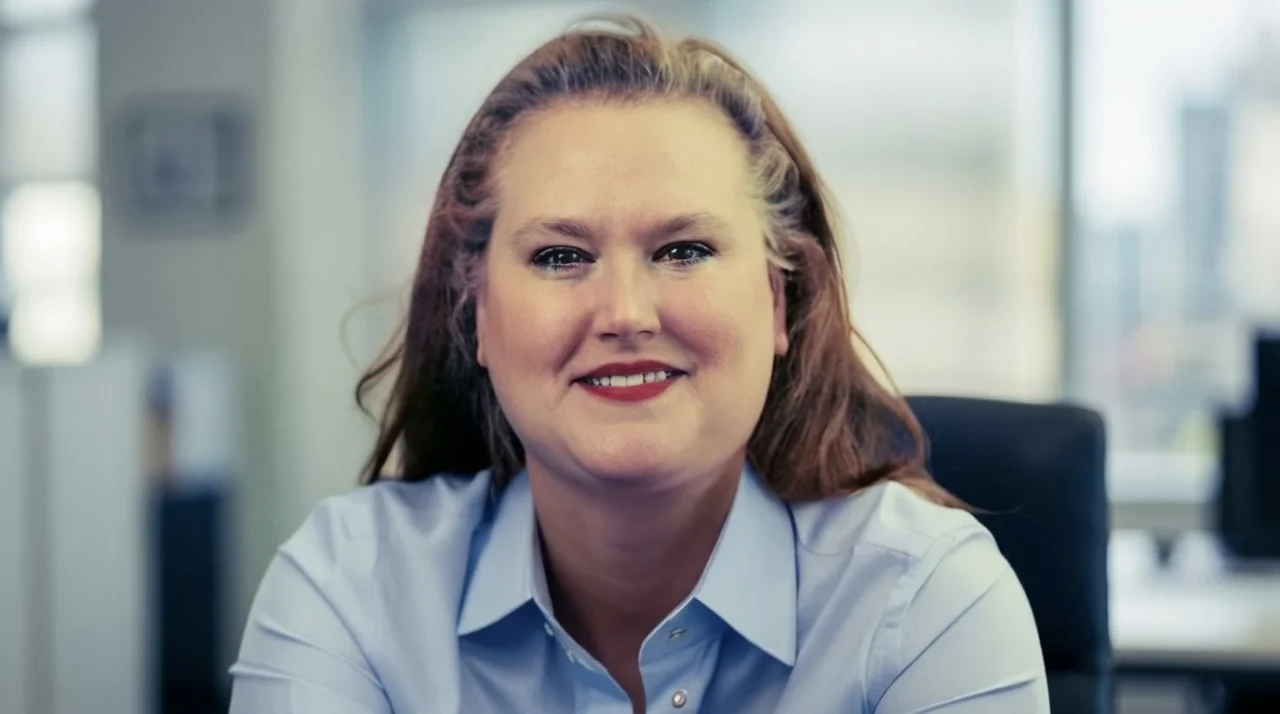
Christina Pohlman: Understanding and Managing Brain Fog in Antiphospholipid Syndrome
Christina Pohlman, CEO and Co-Founder of APS Foundation of America and City of La Crosse Disability Committee Member, shared a post on LinkedIn:
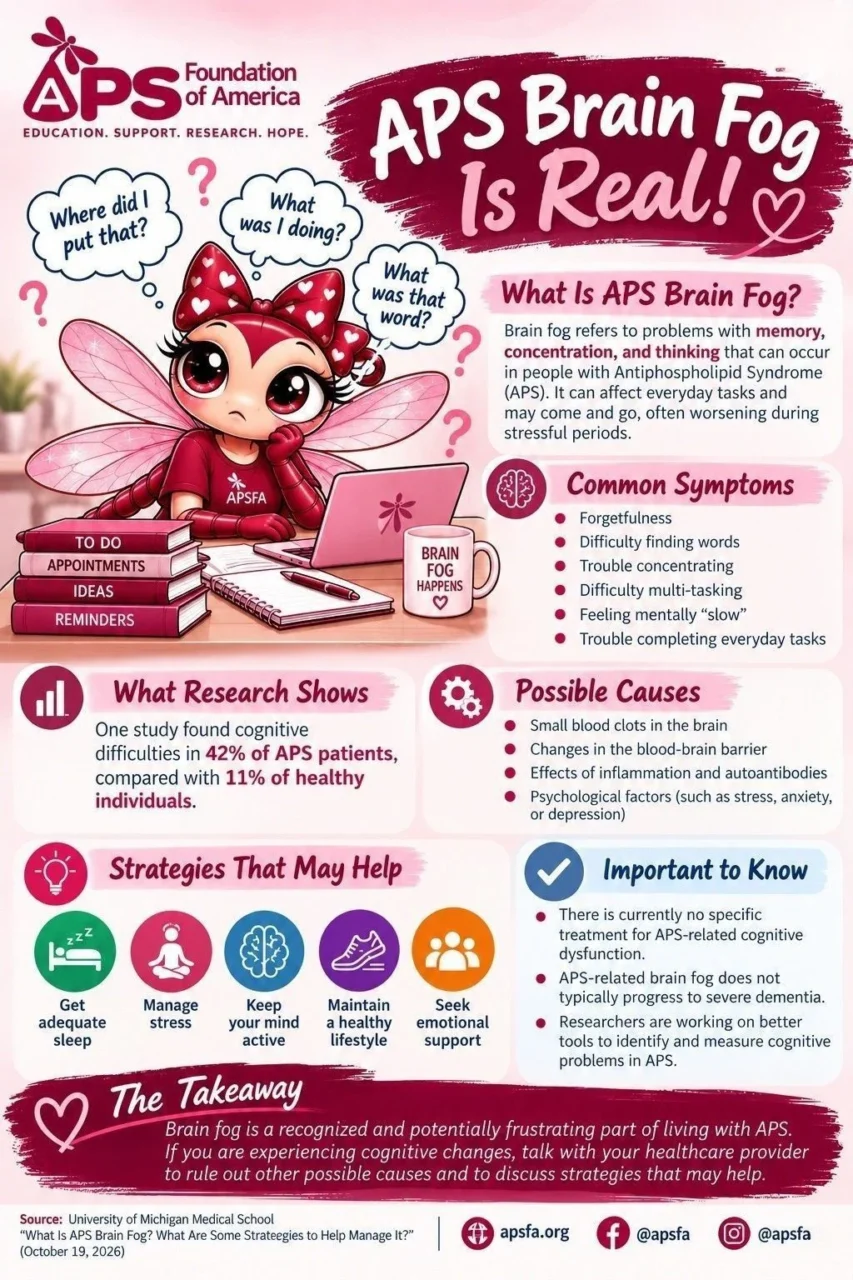
“What Is APS ‘Brain Fog’?
What Are Some Strategies to Help Manage It?
In a recent article, Yu (Ray) Zuo explains how Antiphospholipid Syndrome (APS) can affect memory, concentration, and thinking, often described as brain fog.
Brain fog may cause forgetfulness, difficulty finding words, poor concentration, and trouble completing everyday tasks. Symptoms often come and go and may worsen during stressful periods.
Research highlights:
One study found cognitive difficulties in 42 percent of APS patients, compared with 11 percent of healthy individuals.
Possible causes include small blood clots in the brain, changes in the blood-brain barrier, and psychological factors.
APS-related brain fog does not typically progress to severe dementia.
There is currently no specific treatment for APS-related cognitive dysfunction.
Strategies that may help include getting adequate sleep, managing stress, keeping the mind active, maintaining a healthy lifestyle, and seeking emotional support.
Researchers at the University of Michigan are developing better tools to identify and measure cognitive problems associated with APS.
The takeaway: Brain fog is a recognized and potentially frustrating part of living with APS. Patients experiencing cognitive changes should discuss them with their healthcare provider to rule out other possible causes.
Read More and References.”
Stay updated with Hemostasis Today.
-
Nov 1, 2026, 14:35Heghine Khachatryan: ITP Care in Low- and Middle-Income Countries-Challenges and Priorities
-
Nov 1, 2026, 14:31Travis Phelan: Advancing Anticoagulation Stewardship Through Research and Innovation at RMH
-
Nov 1, 2026, 14:23Miguel Hueso: Mechanical Valve Anticoagulation in a Dialysis Patient With Calciphylaxis
-
Nov 1, 2026, 14:23Shamee Shastry: New Handbook Highlights In-House Reagent Preparation for Transfusion Medicine
-
Nov 1, 2026, 14:11Cesar de Almeida Neto: REDS-IV Study on Donor Deferrals Wins Best Scientific Paper at HEMO 2026
-
Nov 1, 2026, 13:08Mark Gabot: Subcostal 4-Chamber View – PE with McConnell Sign
-
Nov 1, 2026, 12:58Alejandro González Veliz: More Mechanical Support Does Not Mean Better Survival
-
Nov 1, 2026, 12:49Asim Alam: Could Longer Shelf Life Reduce Platelet Waste?
-
Nov 1, 2026, 12:42Nicolas Hubacz: How Cells Make Room for Their DNA