


Denis Oduor: Apheresis Donation and Blood Component Therapy
Denis Oduor, Nairobi County Blood Services Coordinator at Nairobi City County, shared a post on LinkedIn:
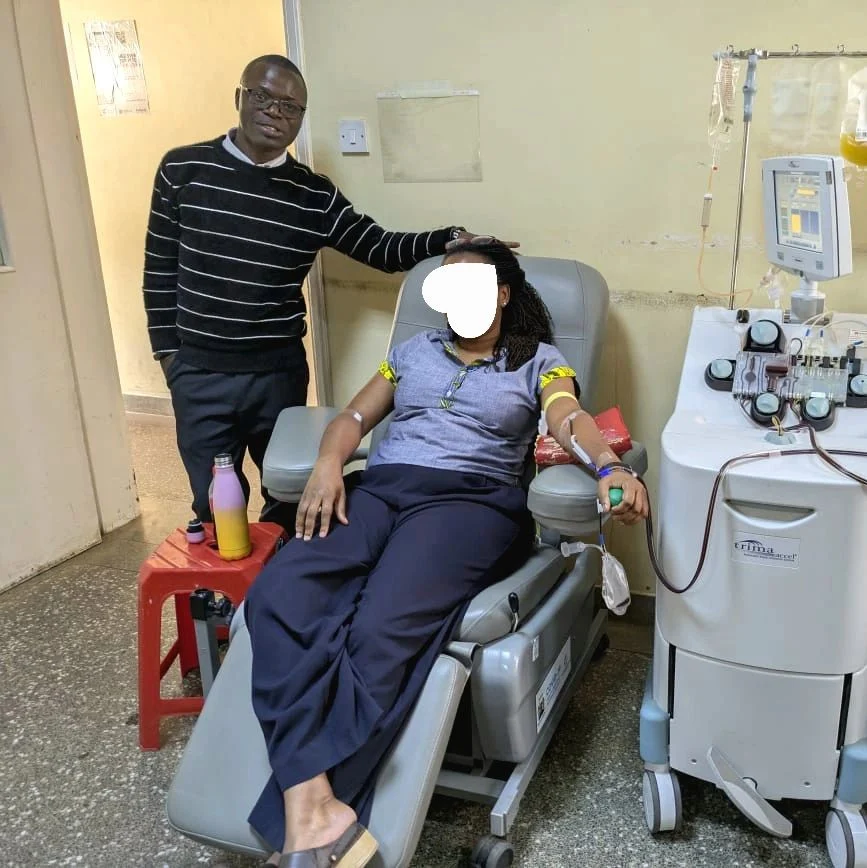
“Apheresis Donation
Apheresis is a process of selectively removing specific blood components while safely returning the remaining components to the donor or patient.
This allows for targeted therapeutic treatments and efficient collection of blood components such as plasma or platelets.
Simple Explanation
‘We take your blood, remove only what is needed, and safely return the rest back to your body.’
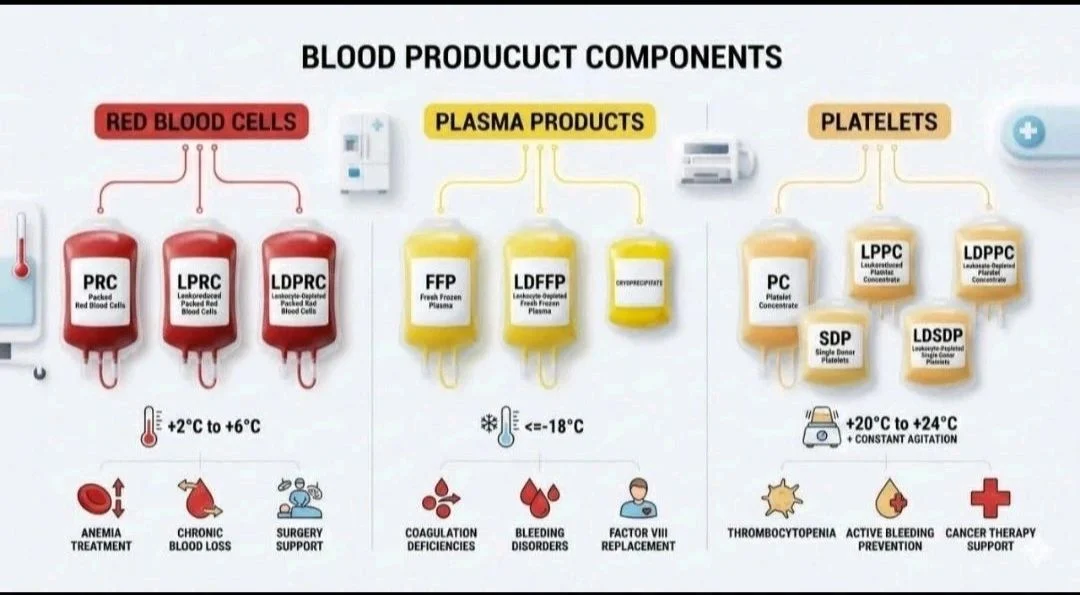
Why Prioritize Component Preparation
- Maximizes utility: One unit serves multiple patients (RBCs, plasma, platelets)
- Improves outcomes: Targeted therapy (e.g., plasma for hemorrhage) reduces mortality
- Reduces wastage: Better inventory management and shelf-life utilization
- Aligns with WHO and national policy shift toward component therapy.
Priority Areas for Nairobi
- Strengthen Component Separation Capacit
- Equip high-volume facilities (e.g., Pumwani and Mama Lucy) with centrifugation systems
- Ensure all collected blood is routinely fractionated into components.
Demand-Driven Component Utilization
- Promote clinical guidelines:
- RBCs for the management of anemia
- Plasma for the management of bleeding/coagulopathy
- Platelets for the management of thrombocytopenia
- Reduce inappropriate whole blood transfusion.
Optimize Supply Chain and Distribution
- Strengthen linkage with Kenya National Blood Transfusion and Transplant Service
- Implement real-time stock visibility systems (e.g., Damu-KE)
- Enable inter-facility redistribution to avoid expiry and shortages.
Capacity Building and Governance
- Train clinical and lab teams on component therapy and haemovigilance
- Address gaps in documentation, knowledge, and quality systems.
Enhance Donor Mobilization
- Increase voluntary donations to meet demand
- Focus on regular donors to ensure predictable supply.
Strategic Outcome
Prioritizing component preparation will:
- Improve maternal and emergency survival
- Enhance efficiency of limited blood supply
- Support Universal Health Coverage (UHC) goals in Kenya
Policy Message
‘In a resource-limited setting like Nairobi, every unit of blood must be maximized—component preparation is not an option, it is a necessity.’
picture below: Denis with a altruistic blood donor doing apheretic donation at Nairobi RBTC.”
Stay updated with Hemostasis Today.
-
Oct 9, 2026, 12:03Heather Case: Bridging Awareness and Action in Women’s Hemophilia Care
-
Oct 9, 2026, 11:58Brandon Luu: Can Iron Deficiency Cause Fatigue Without Anemia?
-
Oct 9, 2026, 11:51Sumaiya Dickens: Marginal Zone B Cells in Transfusion Medicine and Hemophilia A Research
-
Oct 9, 2026, 11:44Ayyappan V Nair: PRP and Rehabilitation – Can It Help Athletes with Partial Rotator Cuff Tears?
-
Oct 9, 2026, 11:29Jigesha Dholakia: Supporting the Hemophilia Community Through the Unite Walk
-
Oct 9, 2026, 11:06Nobles Green: How siRNA Therapy Helps the Body Form Stronger Clots
-
Oct 9, 2026, 10:53Switching From Emicizumab to Denecimig in Hemophilia A – Rare Disease Advisor
-
Oct 9, 2026, 10:40What New U.S. Data Reveal About GT – Glanzmann’s Research Foundation
-
Oct 9, 2026, 10:32Anjali Pandey: The Morphologic Clues to MDS With del(5q)