

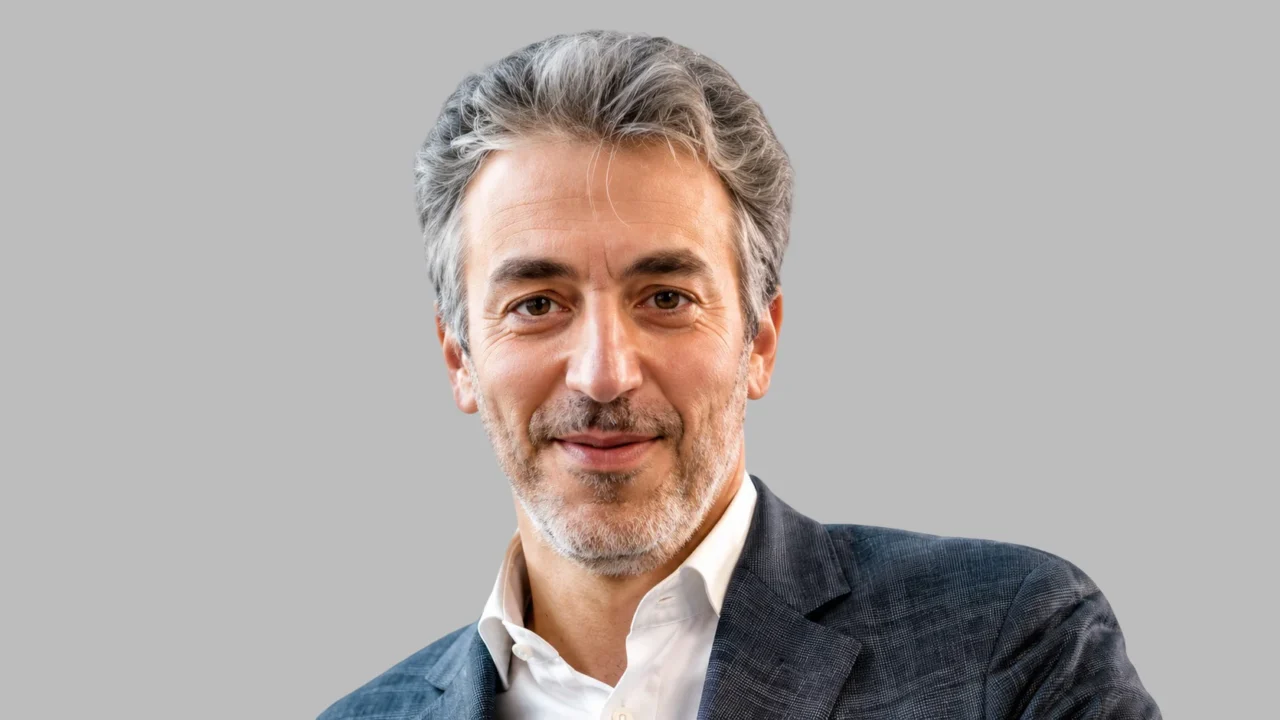
Habib Bennaceur: Building a Stronger Care Pathway for Sickle Cell Disease in India
Habib Bennaceur, Senior Vice President of Rare Disease Unit at Novo Nordisk, shared a post on LinkedIn:
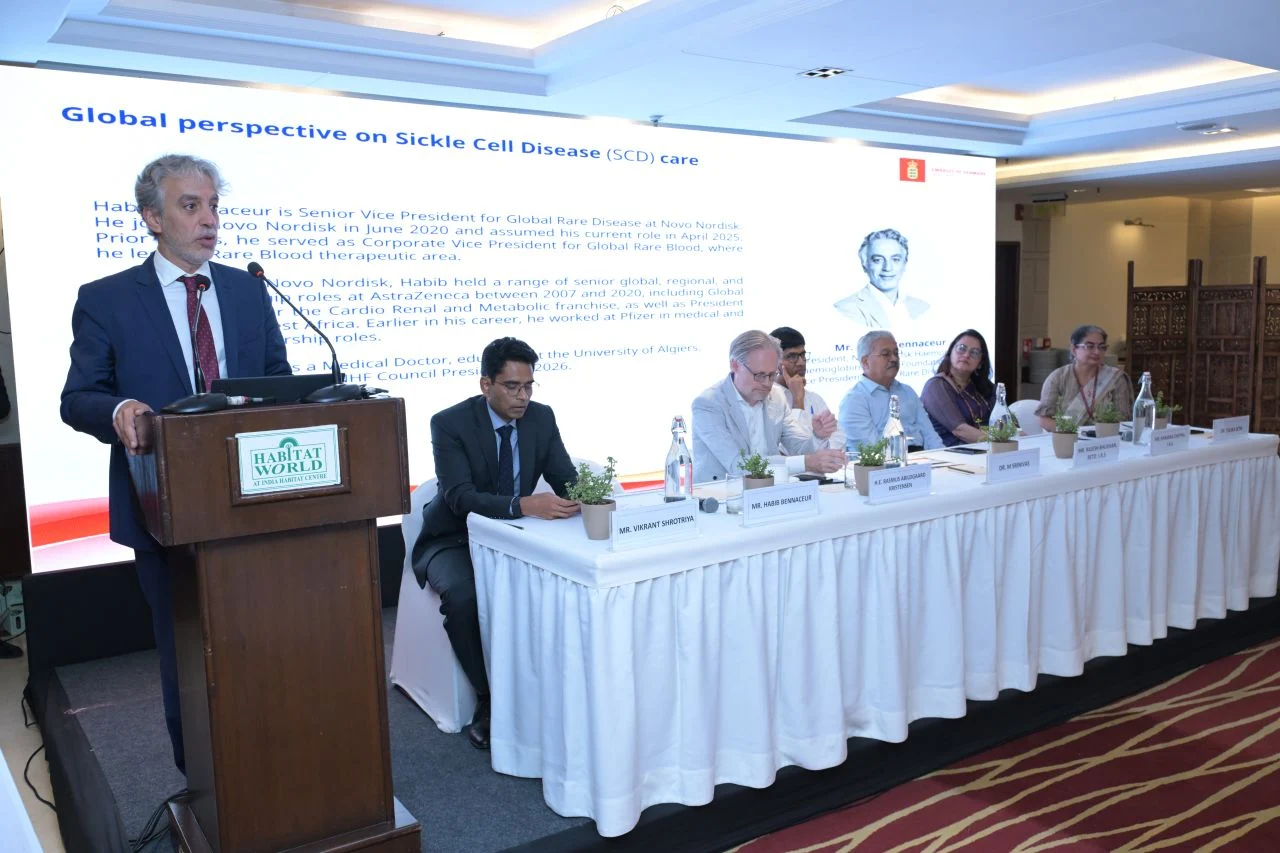
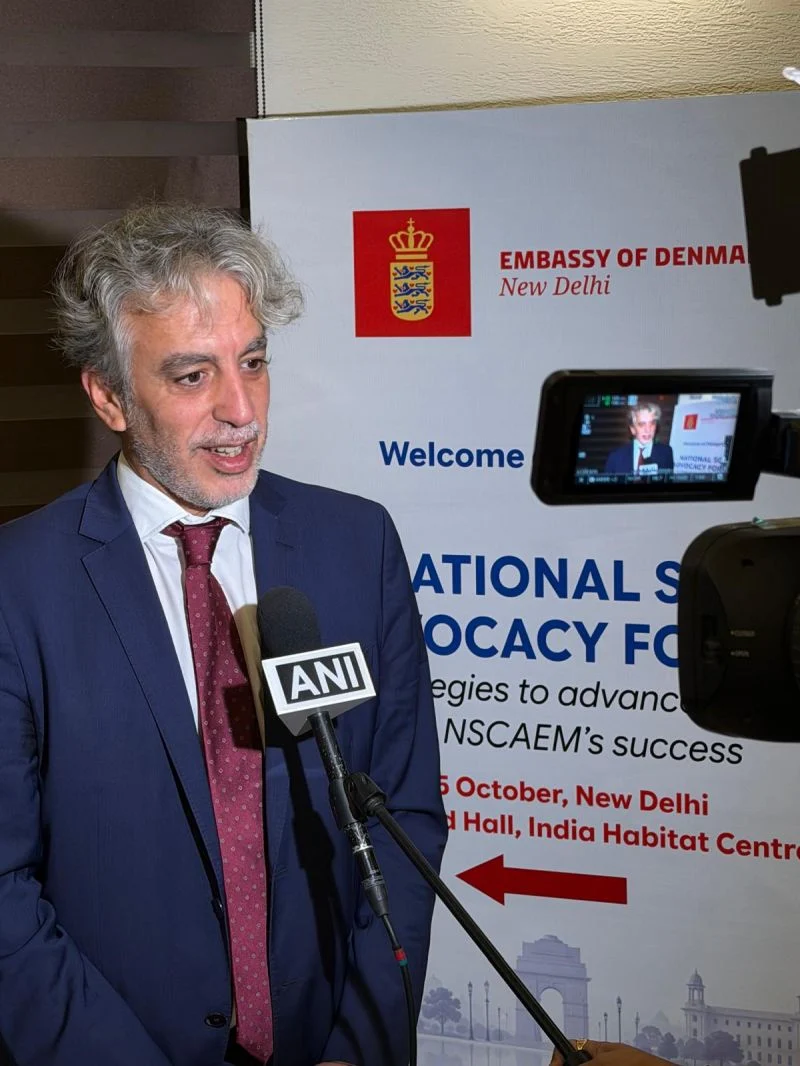
“Today I participated in the National Sickle Cell Disease Advocacy Forum in New Delhi, alongside senior representatives from NITI Aayog, Ministry of Tribal Affairs, Ministry of Health and Family Welfare, Embassy of Denmark in India, UNICEF representatives and senior Indian government doctors, to discuss on how we can address the burden of sickle cell disease (SCD) in India and ensure more equitable care, especially for the most marginalised communities.
In India, somewhere between 100 and 200 babies are born with SCD each day.
India has second largest burden of SCD globally.
For too long this disease has been under-prioritised – but here in India, there are encouraging signs that things are beginning to change.
India has one of the boldest responses to SCD I have seen anywhere.
Through the National Sickle Cell Anemia Elimination Mission, India is screening at scale and working towards eliminating SCD as a public health problem by 2047.
Upwards of 70 million people have already been screened for the disease.
At Novo, we are committed to partnering with the Government of India to help them deliver this mission.
Through our SCD Wellness Hubs, which strengthen the skills of healthcare professionals and bring information and services to families and frontline health workers, we believe we can help build an effective screening program to deliver integrated care for patients who need it.
This aligns with our view that we have a collective responsibility to reframe SCD from acute care to chronic, long-term management.
I believe India is at the forefront of this work: early identification, stronger connections across the care pathway and a national commitment to changing outcomes.
The power of partnership has been a recurring theme across my meetings in India this week.
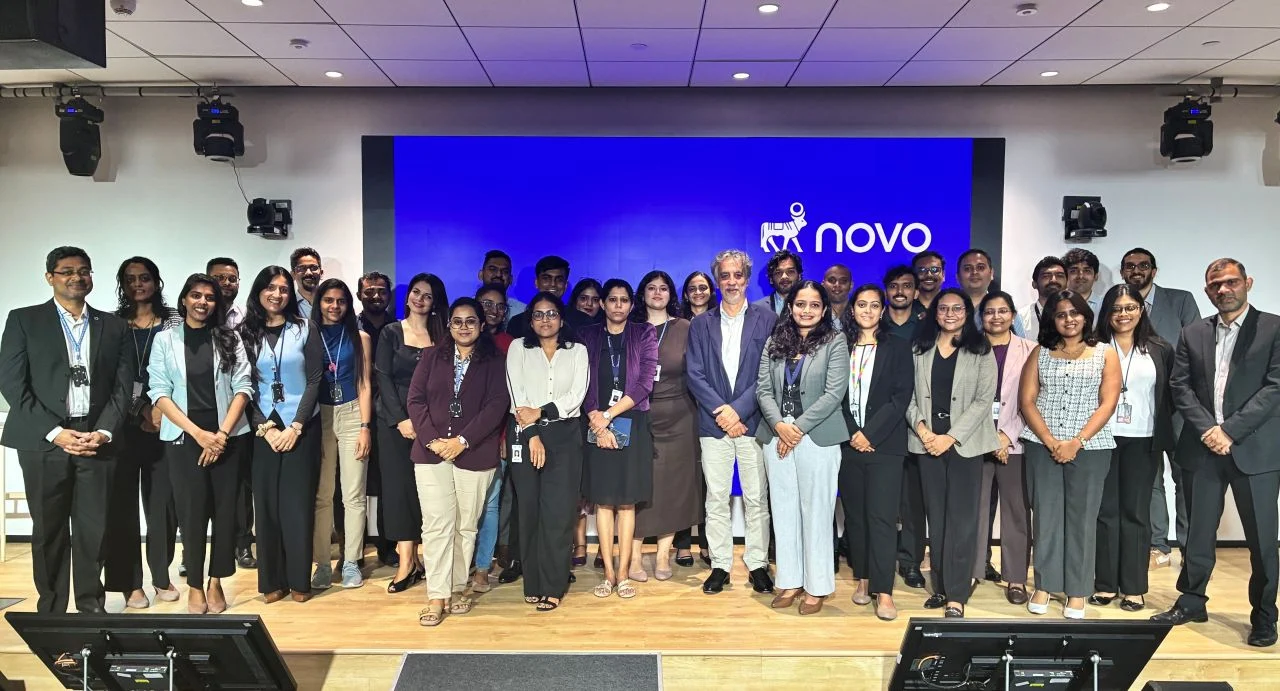
Thank you to the many Novo India colleagues, led by Vikrant Shrotriya, Pushkar Singh and Diwakar Mittal, and to our Global Business Services colleagues in Bengaluru, whose expertise helps bring our science to people living with blood and endocrine disorders in India and around the world.
My time in India has made me even more convinced of its potential, in awe of what has already been accomplished, and emboldened to take what is working here and see how it can be applied to SCD communities elsewhere.”
Stay updated with Hemostasis Today.
-
Oct 16, 2026, 09:59Tareq Abadl: A Simple Guide to Blood Collection Tubes
-
Oct 16, 2026, 09:50Mona Alfaraj: Distinguishing HCL from SMZL in Bone Marrow
-
Oct 16, 2026, 09:44New International Consensus on Covert Brain Infarction – International Journal of Stroke
-
Oct 16, 2026, 06:17Neha Rastogi Panda: Precision Diagnosis and Organ Preservation in Splenic Abscess
-
Oct 16, 2026, 05:53Alejandro González Veliz: Looking Beyond Coronary Anatomy to Understand Ischemia
-
Oct 16, 2026, 04:16Asmaa M. Gouda: Advancing Blood Bank Leadership at Alexandria University Hospitals
-
Oct 16, 2026, 03:52Saja Al-Zamili: Minimally Invasive Hematoma Evacuation in Intracerebral Hemorrhage
-
Oct 16, 2026, 03:13Bhumika Satija: Beyond the Diploma A Growing Passion for Blood Banking and Transfusion Medicine
-
Oct 16, 2026, 03:03Jamie Nash: Microfluidics in Transfusion Medicine Advancing Blood Component Quality Assessment