

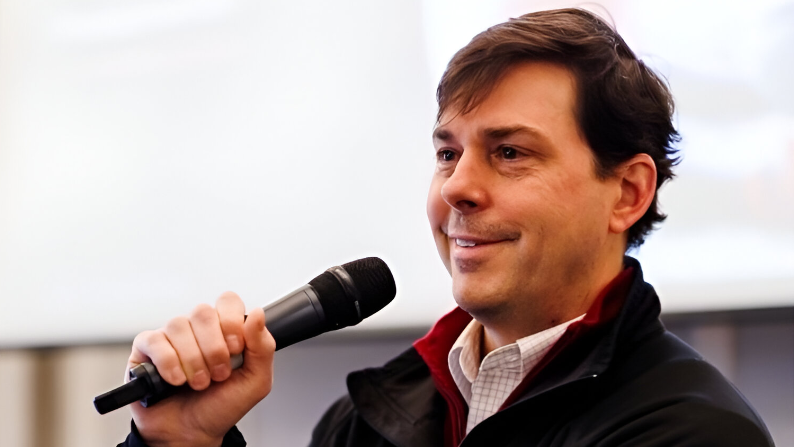
Jason C. Foster: The Industry Isn’t Abandoning Cell Therapy, It is Returning to What Works
Jason C. Foster, Chief Executive Officer and Executive Director at Ori Biotech, shared a post on LinkedIn:
“The market commentators are misinterpreting the recent announcements from Takeda, Novo Nordisk and Galapagos. The industry isn’t abandoning cell therapy, it is returning to what works.
Novo and Takeda spent $billions trying to develop Allo IPSCs and Allo MSCs/Gamma Delta T-Cells approaches and, right now, allogeneic approaches simply aren’t working. Efficacy and durability are still big question marks as are whether the COGS savings are real. We remain hopeful that these challenges can be overcome but right now these are major risks to the allo approach.
On the other hand, Galapagos spent a lot of money developing autologous CAR-T indications with a distributed manufacturing approach on a legacy technology platform. Potential buyers weren’t convinced that the products Galapagos is developing could scale and be commercially viable; and therefore weren’t willing to buy them. This mirrors what has been happening in the funding/M&A market for the last 4 years.
Cell therapy 2.0 requires the development of products that are 1) first-in-class/best-in-class, that 2) demonstrate differentiated clinical safety and/or efficacy AND 3) are commercially viable. All three of these elements are required not just one or two — only programs that can demonstrate all three are getting funded.
The last element is the one most often overlooked. If your COGS are too high, you haven’t yet demonstrated the ability to scale manufacturing and your manufacturing process isn’t reliable then your product isn’t commercially viable. No matter how promising the science is. No matter how big the unmet need is.
It isn’t that Big Pharma and Biotech are abandoning cell therapy, what we are seeing now is the final washout out of CGT 1.0 companies that don’t meet these three criteria. The programs from Novo, Takeda and Galapagos all failed to meet one or more of these criteria.
CGT 2.0 is already rising from the ashes. New approaches, focusing on what is working with the current autologous T-cell therapies, that offer differentiated clinical and/or commercial potential in oncology, autoimmune and beyond, being developed on scalable, automated platforms.
I have seen similar commentary from Lee Buckler, Arnaud Deladeriere, Ph.D., Bill Gadless, Sam Gibbons, Andrea Bisso, Sapna Tandon, MD, Jason Bock and several others who have voiced more balanced points of view over the last week or so.
Lets refocus on what is working and let’s make CGT 2.0 a clinical and commercial success.”

Stay informed with Hemostasis Today.
-
Sep 23, 2026, 13:58The New B12 Diagnostic Algorithm: From Serum Cobalamin to Functional Deficiency
-
Sep 23, 2026, 13:56Noha Soror: Preparing for Hematology and Medical Oncology Board Certification
-
Sep 23, 2026, 13:46Ugochi Ogu: What Can Platelet Proteomics Reveal about Pain and Neurocognitive Vulnerability in Sickle Cell Disease?
-
Sep 23, 2026, 13:42Melissa Hollo: Connecting Obesity and Anemia for Earlier Maternal Risk Intervention
-
Sep 23, 2026, 13:16Beverley Hunt: Advances in Haemostatic Management of Postpartum Haemorrhage
-
Sep 23, 2026, 13:13Ioanna Mela: Recruiting a Research Associate on DNA nanotechnology
-
Sep 23, 2026, 13:04Ben Samelson-Jones: Do Gene Variants Drive PK Differences in FIX-Fusion and N9-GP Therapies?
-
Sep 23, 2026, 12:57Shelly Reed: Advocating for HTCs and CDC Funding with the Hemophilia Federation of America
-
Sep 23, 2026, 12:51Domenico Girelli: How Verona Hospital Transformed ED Anemia Care with Patient Blood Management