

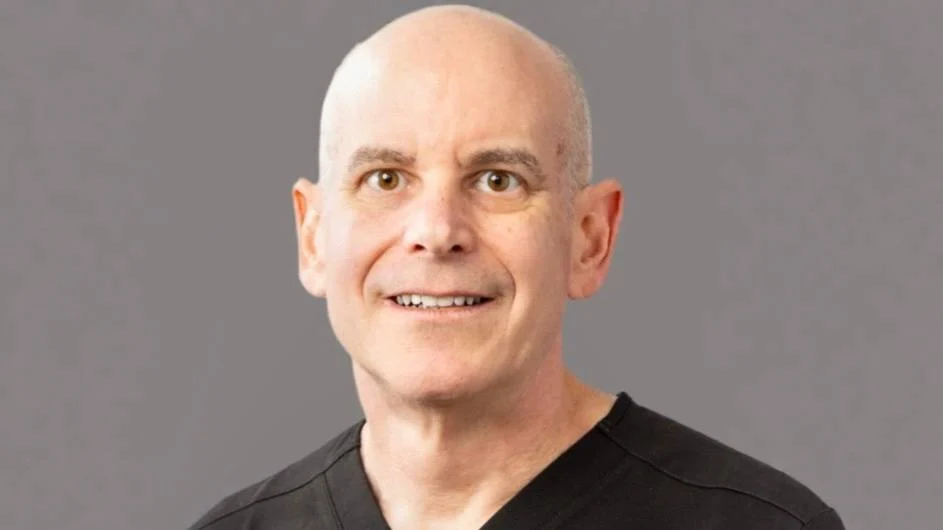
Jeff Sternlicht: We Don’t Measure Lp(a) Because We Have a Drug
Jeff Sternlicht, Emergency Physician and Medical Director at Vituity, shared a post on LinkedIn:
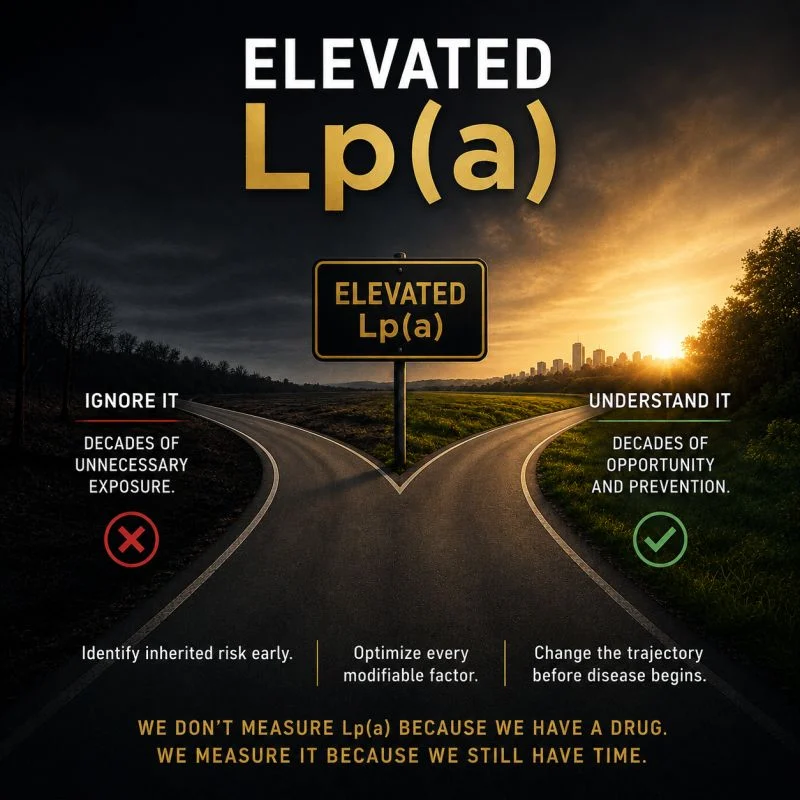
”We don’t measure Lp(a) because we have a drug.
We measure it because we still have time.
One of the questions I hear most often is:
‘What’s the point of checking Lp(a) if we don’t have an approved medication that specifically lowers it?’
I think that question misses the purpose of prevention.
An elevated Lp(a) in your third decade of life isn’t simply a laboratory result.
It’s an opportunity.
An opportunity to identify inherited cardiovascular risk decades before the first heart attack.
An opportunity to screen family members who may have inherited the same risk.
An opportunity to optimize every lifestyle lever that influences long-term cardiovascular health.
An opportunity to optimize ApoB and every other modifiable cardiovascular risk factor over the next 40 or 50 years, not just the next office visit.
Here’s where I think we still need more science.
We don’t yet know the optimal strategy for an otherwise healthy 28-year-old with markedly elevated Lp(a).
Should ApoB targets be lower?
Should imaging play a role in selected patients?
Should intervention depend on family history or early plaque burden?
I don’t think we have definitive answers yet.
My own approach is to view elevated Lp(a) as a signal that lifetime cardiovascular risk deserves a different conversation, not simply another number on a laboratory report.
We can’t change the genes someone inherited.
But we can change the trajectory that follows.
I’m curious how others are approaching this.
If you see a healthy young adult with markedly elevated Lp(a), how does it influence your management today?
These views are my own and do not represent those of my organization or affiliates. This content is for educational purposes only and is not medical advice.”
Other posts featuring Jeff Sternlicht on Hemostasis Today.
-
Oct 9, 2026, 10:40What New U.S. Data Reveal About GT – Glanzmann’s Research Foundation
-
Oct 9, 2026, 10:32Anjali Pandey: The Morphologic Clues to MDS With del(5q)
-
Oct 9, 2026, 10:13Reza Shojaei: 5 Leadership Responsibilities for a Sustainable Plasma Ecosystem
-
Oct 9, 2026, 08:38Johannes Gratz: Perioperative Care in Factor VII Deficiency – Treating the Patient, Not the Number
-
Oct 9, 2026, 08:28Ghanim Fajish: Vascular Cells May Retain a Prothrombotic Memory of Oxidative Stress
-
Oct 9, 2026, 07:43Mehmet Cilingiroglu: The First Diagnosis of Coronary Thrombosis in a Living Patient
-
Oct 9, 2026, 07:21Federico Ravaioli: 40 kPa Spleen Stiffness May Help Avoid Endoscopy in Chronic PVT
-
Oct 9, 2026, 07:00Danny Reardon: Closing the Global Awareness Gap on Blood Clots
-
Oct 9, 2026, 00:54Mary Catherine Moffett: Advancing Advocacy Together – Highlights from the Sanofi Bleeding Disorders Summit