

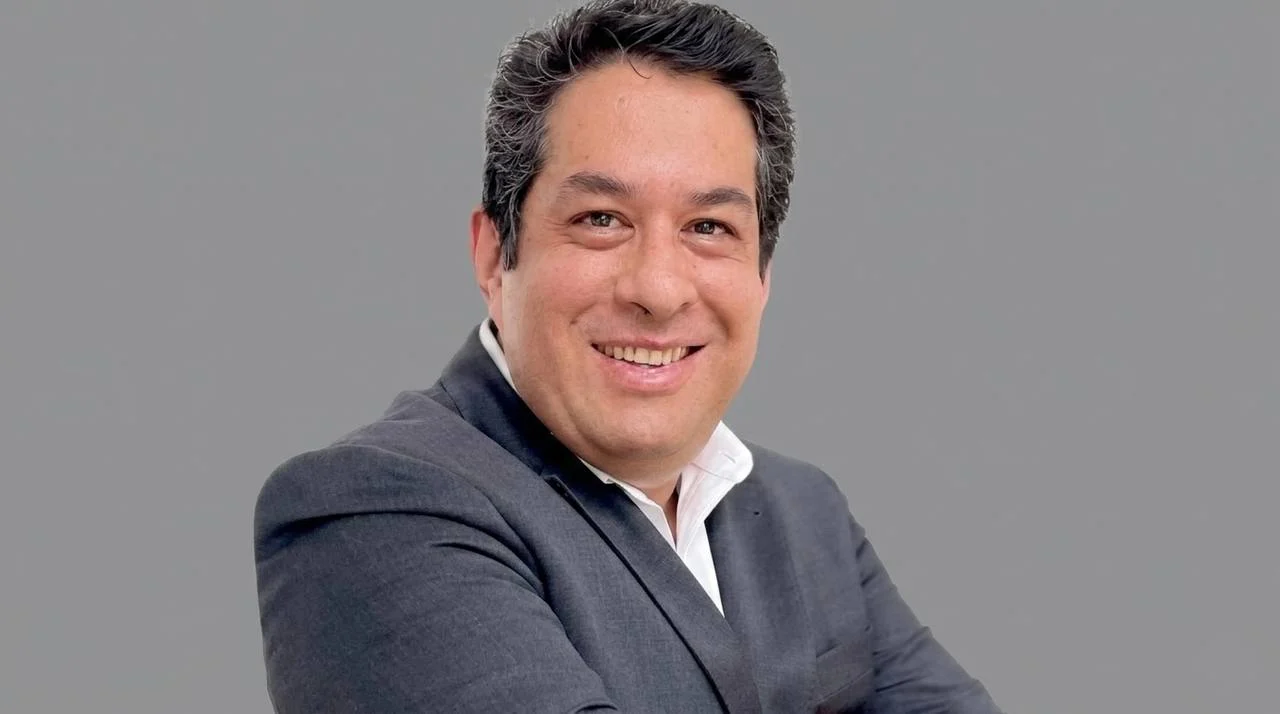
José Octavio Alva Bucio: Securing the Future of Plasma and Blood-Derived Medicines
José Octavio Alva Bucio, Chief Operating Officer (COO) at Genbio, shared a post on LinkedIn:
“Latin America appears to be entering a new phase in the conversation surrounding blood donation, plasma, and plasma-derived medicinal products.
In recent weeks, important regulatory developments have taken place across the region, reflecting a significant shift: plasma and plasma-derived therapies are beginning to occupy an increasingly strategic position within healthcare systems.
For example, in Argentina, the exclusively voluntary blood donation model was recently reinforced through the formal elimination of replacement donation within the healthcare system. Meanwhile, in Mexico, regulatory and technical efforts related to the utilization and industrial processing of recovered plasma continue to advance — although still largely unnoticed by many observers.
These are distinct and seemingly unrelated approaches; however, both reflect a shared regional reality: Latin America is beginning to engage more deeply with, and make decisions about, issues that for many years remained largely outside the sphere of public debate and policy action:
- Plasma availability
- Blood donation models
- Health sovereignty
- Industrial processing capacity
- Sustainable access to plasma-derived medicinal products
What is particularly noteworthy is that these developments are taking place within a global context in which demand for immunoglobulins, albumin, and other plasma-derived therapies continues to grow rapidly. This trend will inevitably push healthcare systems to confront a fundamental question — and the sooner this occurs, the better:
How can we build sustainable models capable of guaranteeing long-term access, safety, and sufficiency of blood components and plasma-derived medicines?
Beyond the differences in the maturity of regulatory agencies across the region, the central challenge for each country will be to develop frameworks capable of balancing:
- Ethics
- Sustainability
- Industrial capacity
- Patient access
For this reason, I believe that the progress we are witnessing across the region clearly demonstrates that these issues are finally beginning to be taken seriously.
I am convinced that the evolution of these discussions over the coming months will lead us toward a new level of engagement, collaboration, and network-building.
The conversation continues.”

Stay updated with Hemostasis Today.
-
Oct 19, 2026, 19:44Where You Live Should not Determine Whether You Receive Care – World Federation of Hemophilia
-
Oct 19, 2026, 19:42Belen Bianco: Prevention, Early Suspicion and an Interdisciplinary Approach Save Lives
-
Oct 19, 2026, 19:40Christina Chrysohoou: Catheter-Based LAAC vs OAC for Stroke Prevention in Atrial Fibrillation
-
Oct 19, 2026, 19:38Matthew Flick: A Two-Day Research Meeting on Fibrinogen, Hemostasis and Thrombosis
-
Oct 19, 2026, 19:37Hayat Saeed: Excited to Share Our Publication on the FGL1–Hepcidin Axis in Iron Homeostasis and Disease
-
Oct 19, 2026, 19:08IPAW 2026 Comes to a Close, but the Work Continues – PPTA
-
Oct 19, 2026, 17:44Paul Riley: Moderating a Webinar on Anticoagulation Monitoring
-
Oct 19, 2026, 16:36Christopher Pittman: Blood Clot Prevention Cannot End at Hospital Discharge
-
Oct 19, 2026, 16:13Javier M. Floren: When Immune Cells Move With Their Environment