

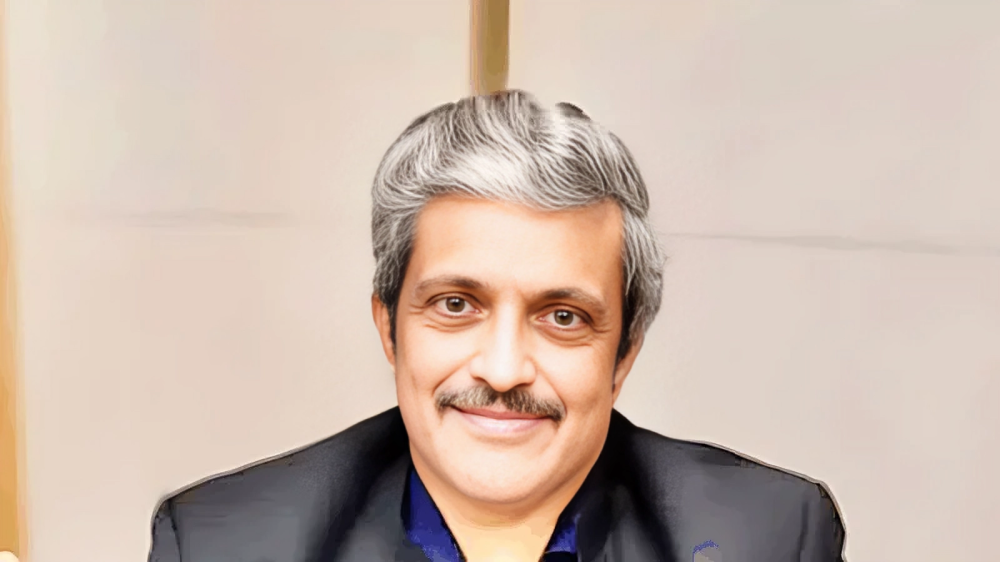
Mahesan Subramaniam: Reversing Age-Related Decline in Blood Stem Cells
Mahesan Subramaniam, Co-Founder of United Health Tourism, shared a post on LinkedIn about a recent article by Tasleem Arif et al, published in Cell Press:
“Scientists have uncovered a promising way to reverse age related decline in blood stem cells, at least in animal models. These cells live deep inside the bone marrow and are responsible for constantly producing new blood and immune cells.
As the body ages, blood stem cells gradually lose their balance.
They become less efficient, more stressed, and biased toward producing certain cell types, which contributes to weaker immunity, slower recovery, and higher risk of blood disorders in older age.
The key discovery centers on lysosomes, the tiny recycling units inside cells. In young blood stem cells, lysosomes carefully manage waste removal and energy balance.
With aging, these lysosomes become overly acidic and overactive, which disrupts the internal environment of the cell instead of helping it.
Researchers found that by gently calming this lysosomal activity in old mouse stem cells, the cells regained a healthier internal state.
When these treated cells were returned to the animals, they began producing blood cells more efficiently and behaved much more like youthful stem cells.
This does not mean aging can be reversed in people yet, but it shows that decline in blood stem cells is not permanent.
By targeting internal cleanup and energy systems rather than replacing cells entirely, scientists see potential for future treatments that strengthen immunity, improve blood health, and enhance stem cell therapies as people age.”
Title: Reversing lysosomal dysfunction restores youthful state in aged hematopoietic stem cells
Authors: Tasleem Arif, Jiajing Qiu, Hossein Khademian, Anusree Lohithakshan, Anagha Menon, Vijay Menon, Mary Slavinsky, Maxime Batignes, Miao Lin, Robert Sebra, Kristin G Beaumont, Deanna L Benson, Nikolaos Tzavaras, Mickaël M Ménager, Saghi Ghaffari
Read the Full Article on Cell Press.
Find more posts featuring Mahesan Subramaniam on Hemostasis Today.

-
Nov 8, 2026, 19:31Anna Kajaste-Rudnitski: Presenting AAV-Induced p53 Signalling in Human CNS Cells at ESGCT 26
-
Nov 8, 2026, 19:29David McIntosh: Cybersecurity Matters, but Blood Availability Remains the Bigger Challenge
-
Nov 8, 2026, 19:26Wenxue Ma: An Integrative Framework for Macrophage-Mediated Therapeutic Resistance in Cancer
-
Nov 8, 2026, 19:25Yildiz Yigit: Presenting a Polycythemia Vera Case at the MPN Subcommittee Session
-
Nov 8, 2026, 18:56Denis Oduor: Strengthening the Regulation and Delivery of Blood Transfusion and Transplantation Services
-
Nov 8, 2026, 18:28Raghavendra Rao: A Narrative Review on Chronic Venous Disease during Pregnancy
-
Nov 8, 2026, 17:57Dhiren Patel: PLD1-Derived Phospholipids Regulate NAD Kinase and ROS Production in Neutrophils
-
Nov 8, 2026, 17:48Andra T.: What Causes Antiphospholipid Syndrome? – Four Steps, not One Cause
-
Nov 8, 2026, 17:38Nasrin Samadi: Can a Normal Clotting Test Be Misleading?