


Marco Antonio Ramírez Rodríguez: Endovascular Management of Pelvic Venous Hypertension in May–Thurner Syndrome
Marco Antonio Ramírez Rodríguez, Vascular Surgeon at Hospital de Manises and Hospital Vithas Turia, shared a post on LinkedIn։
՛՛46-year-old woman with long-standing chronic pelvic pain and recently developed hematuria.
No history of thrombotic events, but with an obstetric history of five miscarriages, elevated homocysteine levels, and left lower limb edema.
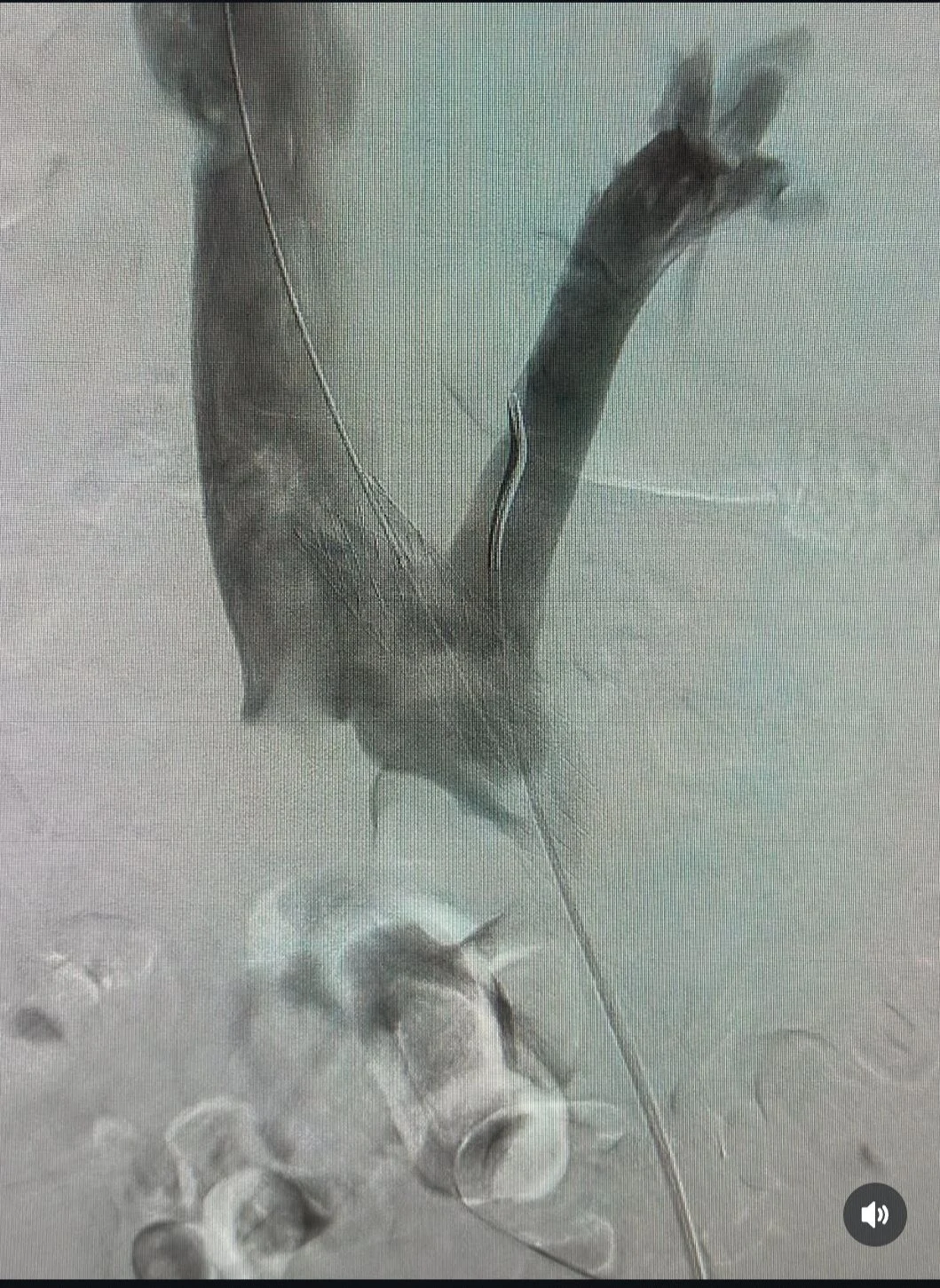
Imaging with CT angiography and diagnostic venography revealed:
- Significant compression of the left common iliac vein by the right common iliac artery (consistent with May–Thurner syndrome) and a left-to-right pelvic venous shunt.
- Anomalous drainage of the left renal vein into the iliac axis, a clinically relevant finding.
After thorough case evaluation and detailed planning, endovascular treatment was selected as the therapeutic option, aiming to relieve pelvic venous hypertension and improve the patient’s symptoms.
Procedure steps:
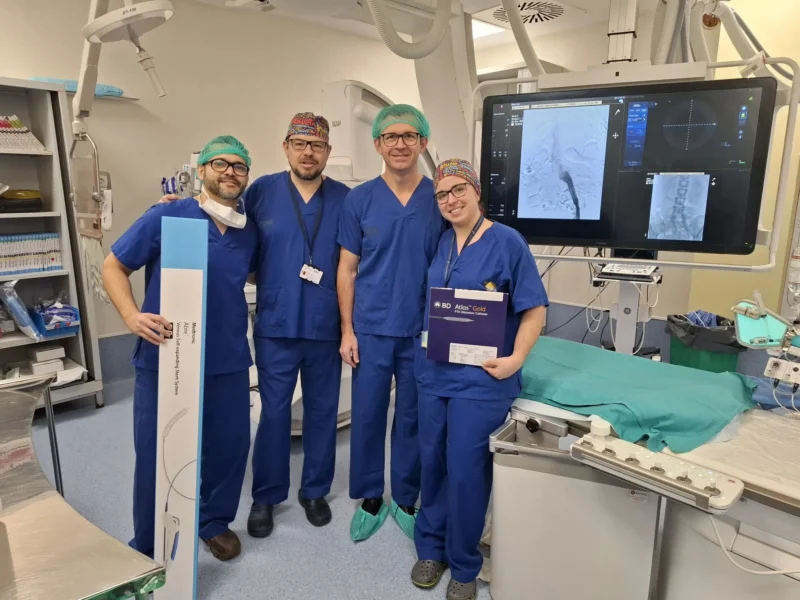
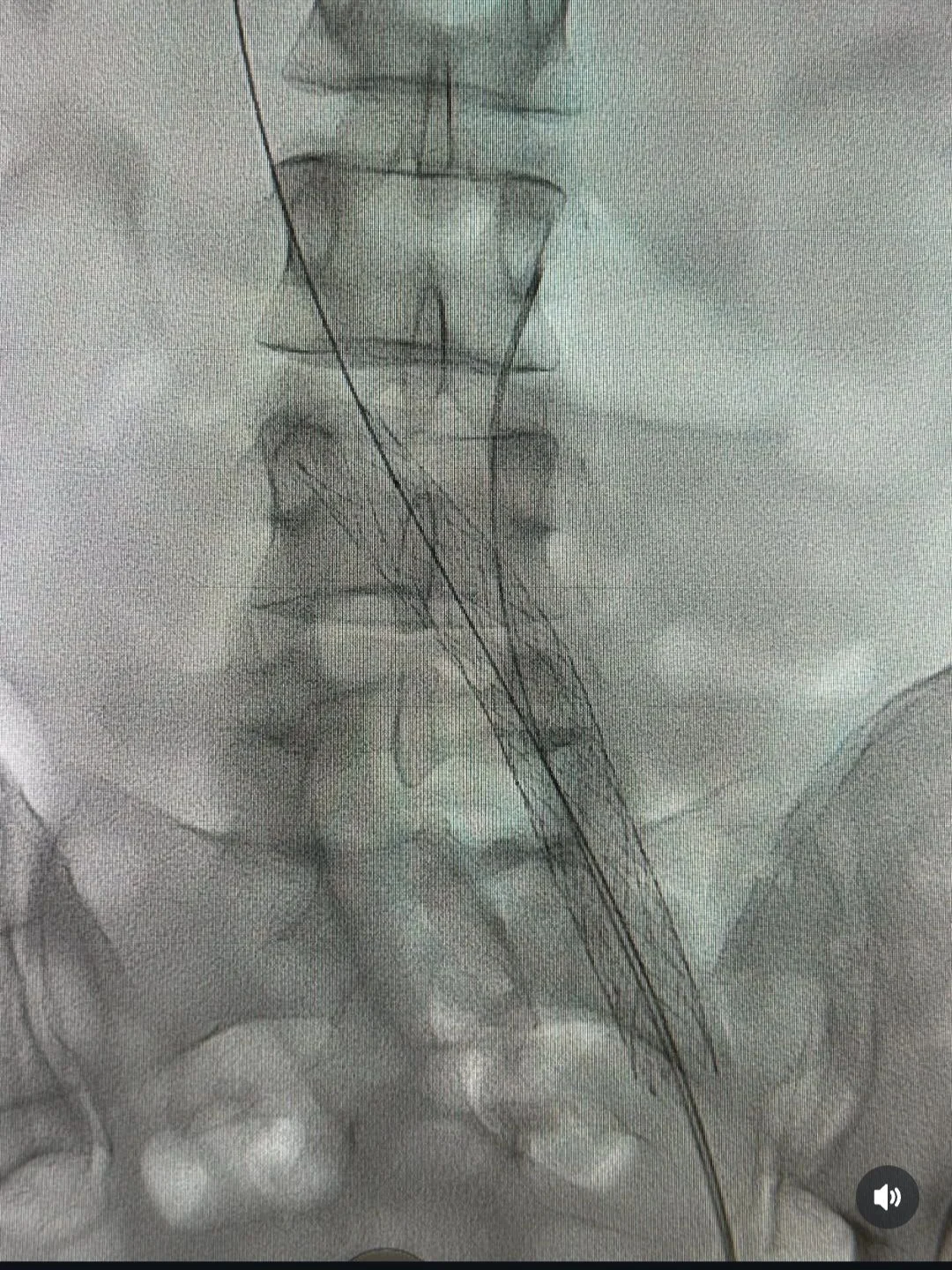
9 Fr introducer sheath. Catheterization to the inferior vena cava. IVUS® assessment (Boston Scientific) confirmed a 5 mm stenosis and dilation of the external iliac vein to 13 mm, with a target coverage length of 120 mm. Therefore, a 14 × 120 mm Abre stent (Medtronic) was implanted, followed by angioplasty using an Atlas Gold® balloon.
Final venography demonstrated correct stent deployment and preserved drainage of the left renal vein. The patient was discharged 24 hours later without local complications.
Special thanks to Óscar Merino Mairal for sharing his experience and guidance during the case—it was a privilege to have him at our center.
Thanks as well to Medtronic Cristina Dominguez, Jonathan Pulido Asensio Boston Scientific and to the interventional nursing team led by Jesús Aguilar Escriba, Vascular TEAM of Hospital de Manises. Head of Department Ángel Plaza and Noelia Garzón, Moisés Falcón Espínola․՛՛
Stay updated with Hemostasis Today.
-
Sep 30, 2026, 13:41Huda Salah Eldin: The Challenge of Balancing Antithrombotic Therapy After PCI
-
Sep 30, 2026, 13:29Abdus Salam: What Can CT Venography Reveal About the Veins?
-
Sep 30, 2026, 13:03Amira Mohy: Diagnostic Flow Cytometry Panels for Hematological Malignancies
-
Sep 30, 2026, 12:52Paul Watton: Could Repetitive Head Impacts Leave a Molecular Memory?
-
Sep 30, 2026, 12:41The Journey to ISTH 2027 Starts in Vancouver
-
Sep 30, 2026, 11:36Basit Ali: A Closer Look at CT Venography
-
Sep 30, 2026, 11:16Christina Pohlman: Could aPL Levels Help Predict Stroke Recurrence?
-
Sep 30, 2026, 10:55Rana Al Hrout: Diagnostic Approach to Hypochromic Microcytic Anemia
-
Sep 30, 2026, 01:52Javed Anees: DADA2 – When a Young Stroke Is More Than a Stroke