


Maxime Dely: Trends in Red Blood Cell Consumption in France
Maxime Dely, Sales and Application Specialist in Therapeutic Apheresis and Cell Therapy, shared a post on LinkedIn:
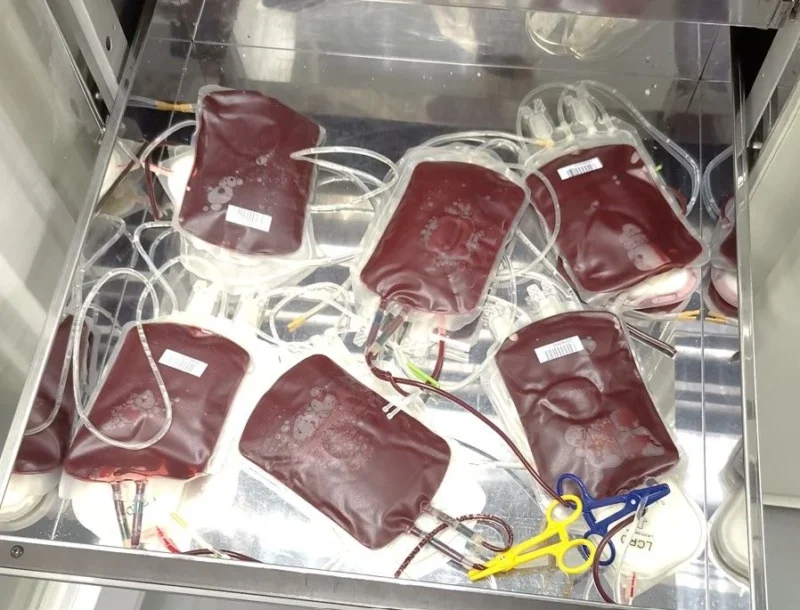
“Trends in Red Blood Cell (RBC) consumption in France
- A steady decline over the past decade
Over the last ten years, a clear trend has emerged: overall RBC consumption in France has been steadily decreasing.
This evolution is largely driven by major advances in medical and surgical practices. Procedures are now more targeted and minimally invasive, with better anticipation of bleeding risks.
At the same time, transfusion best practices have evolved significantly: the goal is no longer to transfuse more, but to transfuse appropriately, avoiding unnecessary over-transfusion.
- Fewer standard RBC units, but more relevant transfusion strategies.
- A significant shift in the nature of transfusion needs
This overall decline does not mean that transfusion challenges are disappearing. On the contrary, the profile of needs is changing.
In France, a genetic disease remains highly prevalent: sickle cell disease.
These patients often require regular red blood cell exchange transfusions, frequently performed through erythrocytapheresis, and depend on RBC units with rare blood group phenotypes.
- A dual dynamic to consider
We are now facing a clear correlation: a decrease in standard RBC consumption, alongside an increase in demand for highly specific and rare RBC units.
- A direct impact on donor recruitment strategies
This shift is profoundly reshaping donor recruitment and communication strategies.
Where “standard” donor profiles were largely sufficient 10–15 years ago, there is now a growing need for targeted outreach, focused on donors with rare blood groups.
- Transfusion medicine is evolving.
- Blood donor recruitment must evolve with it.”
Find more posts featuring Maxime Dely on Hemostasis Today.
-
Sep 17, 2026, 16:17Mehran Ghasemzadeh: Platelet NK Cell Crosstalk in Advanced Coronary Artery Disease
-
Sep 17, 2026, 16:16Barbara Adams Krolak: Do GLP-1s Affect Blood Clot Risk?
-
Sep 17, 2026, 15:46Heghine Khachatryan: Clinical Context at the Core of Thrombosis and Thrombophilia Management
-
Sep 17, 2026, 15:33Alexandros Makis: When Microcytic Anemia Has an Inherited Cause
-
Sep 17, 2026, 15:22α2-Antiplasmin Inhibition and the Future of Thrombolysis
-
Sep 17, 2026, 15:20Fatma M. Attia: Expanding the Evidence Base for Therapeutic Plasma Exchange Across Multiple Indications
-
Sep 17, 2026, 15:19Conan McIlwrath: The Haemophilia Society Engages With IBCA
-
Sep 17, 2026, 15:06Eleftheria Hatzimichael: A Contemporary Diagnostic Approach to Inherited Microcytic Anemias
-
Sep 17, 2026, 14:51Konstantin Yenkoyan: Emicizumab and the Power of Translational Science