

Michiel Voet/LinkedIn
Feb 3, 2026, 14:16
Michiel Voet: Why Every Military Should Have a Dedicated Blood Unit
Michiel Voet, Military Medical Logistics Advisor at LS Innoventa bv, shared a post on LinkedIn:
“Why I think every military should have a unit dedicated to blood
Blood is not ‘just another medical supply.’ It’s a mission enabler. No blood, no mission.
Yet blood is still often treated as a logistical afterthought by tactical leaders.
That’s a mistake. It should be in the Military decision making process from the early beginning.
A dedicated military blood unit (might be between platoon and compagnies size for smaller countries) responsible from donor to delivery to Role 1 could be a great solution. Here’s why:
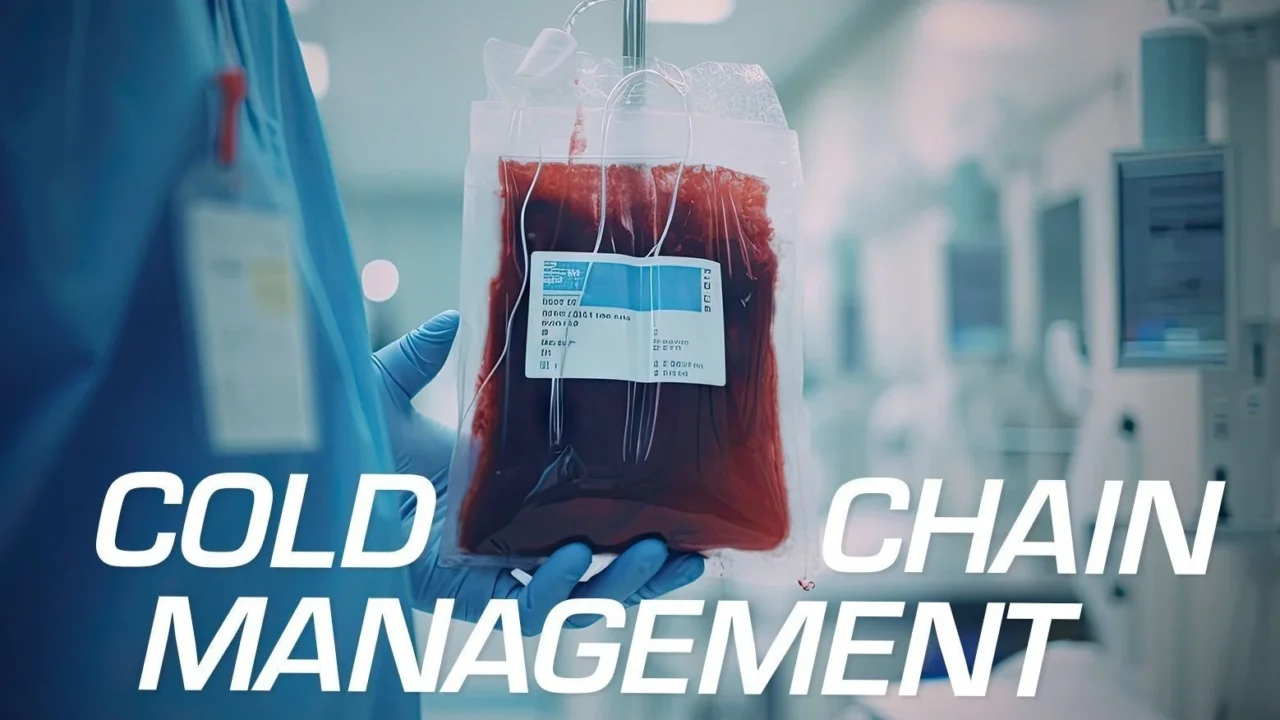
- Specialists that control the coldchain / warm chain.
Will result in less cold chain failure. Whether by land, air or sea, equipping them with the right logistics will enable them to serve all units. - Medical personnel can focus on medical skills, rather than on cold chain management and rotating blood in and out.
- Their experience will push R&D. (E.g. blood in arctic, parachuting blood in, blood transport with drones, different types of blood products,…)
- End-to-end ownership from donation, screening, storage, transport, traceability
- Properly organized walking blood banks
- Easily scalable when the situation asks for it
- Could support also disasters out of the military.
Composition?
- C2: Logistical officer plus Medical officer (with transfusion background)
- Transfusion oversight: heamatologist, transfusion medicine physician, senior CC nurse
- Donor management, WBB cell: nurses trained in donor screening
- Blood Collection, processing and quality: nurses trained in blood collection. Lab nurses
- Cold Chain Operations: Medical log officers and NCO’s
- Training, Capability Development: medical instructors, transfusion trainers
- Support cell: Legal advisor, data specialists,…
Could work don’t you think?
Stay critical”
Stay updated on all scientific advances with Hemostasis Today.
-
Sep 30, 2026, 14:13Ashok Choudhury: Portal Vein Thrombosis and Outcomes in Cirrhosis
-
Sep 30, 2026, 13:57Leslye Conde Bazán: When Conventional Imaging Is Not Enough – The Role of IVUS
-
Sep 30, 2026, 13:41Huda Salah Eldin: The Challenge of Balancing Antithrombotic Therapy After PCI
-
Sep 30, 2026, 13:29Abdus Salam: What Can CT Venography Reveal About the Veins?
-
Sep 30, 2026, 13:03Amira Mohy: Diagnostic Flow Cytometry Panels for Hematological Malignancies
-
Sep 30, 2026, 12:52Paul Watton: Could Repetitive Head Impacts Leave a Molecular Memory?
-
Sep 30, 2026, 12:41The Journey to ISTH 2027 Starts in Vancouver
-
Sep 30, 2026, 11:36Basit Ali: A Closer Look at CT Venography
-
Sep 30, 2026, 11:16Christina Pohlman: Could aPL Levels Help Predict Stroke Recurrence?