


Milad Abdalla: When 180,000 Becomes 45,000 – The EDTA Trap
Milad Abdalla, Medical Laboratory Technologist at Al Yalayis Government Transactions Center, shared a post on LinkedIn:
“When 180,000 Becomes 45,000: The EDTA Trap
The analyzer flagged severe thrombocytopenia. The patient looked completely healthy.
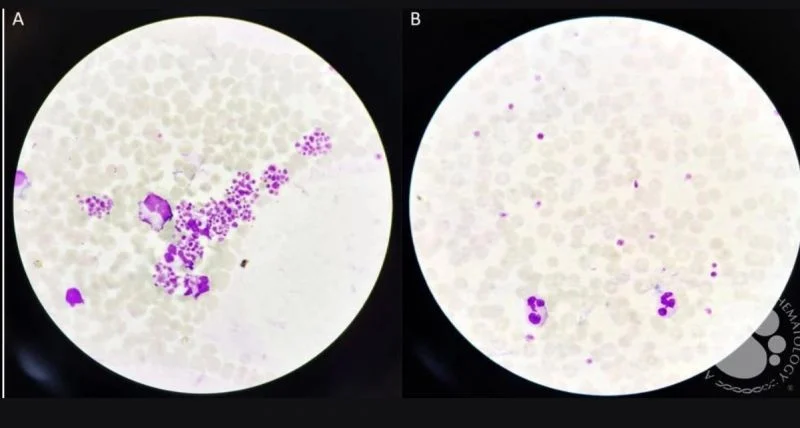
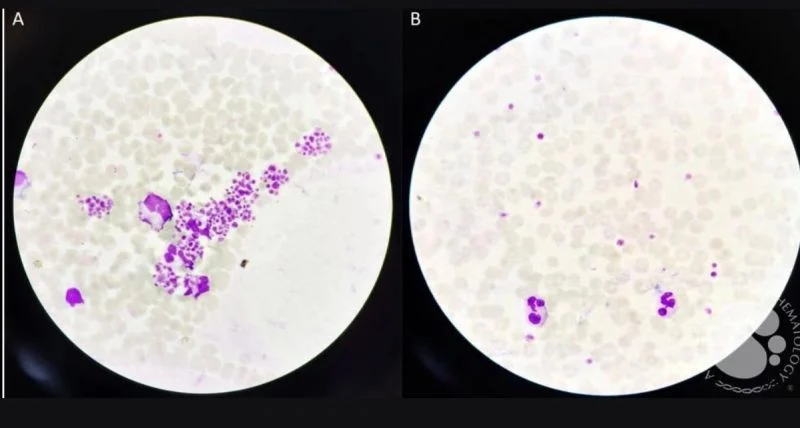
The peripheral smear revealed the truth.
‘EDTA-dependent pseudothrombocytopenia.’
EDTA causes platelets to clump ‘in the tube’ — not in the patient.
The automated counter mistakes these clumps for one large cell and reports a falsely low count.
Simple ways to resolve it:
- Recollect in a ‘Sodium Citrate‘ tube and multiply the result by 1.1
- Process the sample within 1 hour before significant clumping occurs
- Warm the sample at 37°C for 10 minutes to disperse early clumps
We encountered this exact case last month during a pre-op screening. A ‘critical’ platelet count of 45,000 turned into a normal 180,000 on citrate. The patient proceeded to surgery instead of a hematology referral.
‘Key takeaway:’
Never trust a platelet count that doesn’t match the clinical picture or the blood smear.
Have you seen EDTA-dependent pseudothrombocytopenia in your lab or practice?
What tipped you off — the instrument flag, the smear, or clinical suspicion?”
Stay updated with Hemostasis Today.
-
Sep 29, 2026, 22:45Victor Agunyego: Paracetamol – The Most Common Drug We Underestimate
-
Sep 29, 2026, 22:42Nova Sinclair: Advancing the Future of Hematology – Meet Our 2027 Organizing Committee
-
Sep 29, 2026, 22:41Lorenz Räber: Intracoronary Imaging in PCI – Why, When, How, and Which Modality?
-
Sep 29, 2026, 22:31Selma Turkovic: Pleased to Deliver the Opening Presentation at Kingston Hospital
-
Sep 29, 2026, 22:31Miguel Teran: Ultrasound and Simulation in Arterial Blood Sampling
-
Sep 29, 2026, 21:47Javed Anees: DADA2 – When a Young Stroke Is More Than a Stroke
-
Sep 29, 2026, 22:28Mohammad Refaei: Navigating Your Career in Hematology From Training to Practice
-
Sep 29, 2026, 22:27Matteo Foschi: 10 Clinical Pearls for Antithrombotic Therapy in Secondary Stroke Prevention
-
Sep 29, 2026, 22:26A Global Call for Action on Cardiovascular Health on World Heart Day – ISTH