


Mohamed Sikkander Abdul Razak: Three Days in Nature and Long-Lasting Immune Benefits
Mohamed Sikkander Abdul Razak, Professor at GKM College of Engineering Technology, shared Paul Koti’s post on LinkedIn, adding:
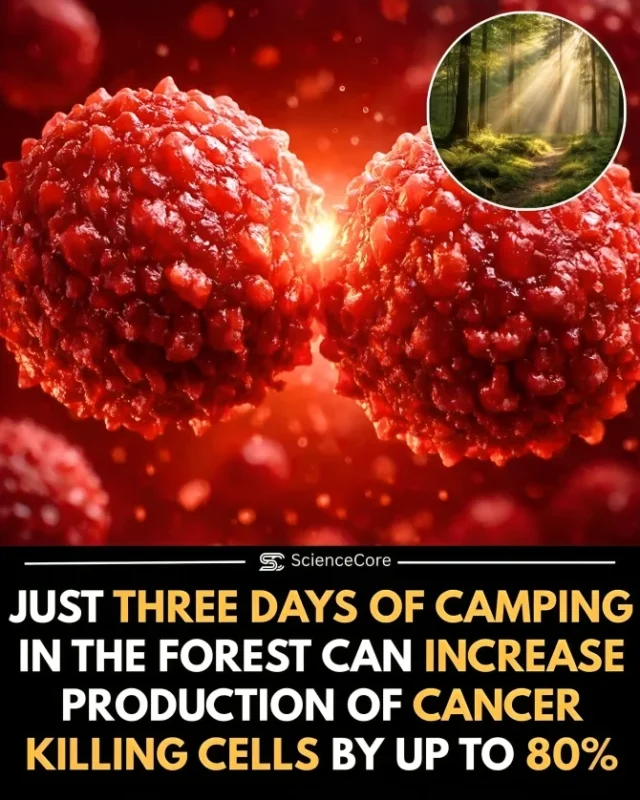
“Spending just three days and two nights in a forest environment can dramatically increase natural killer (NK) cell activity by nearly 80%, providing powerful cancer-fighting benefits that persist for weeks.
This remarkable immune enhancement occurs through exposure to phytoncides, natural compounds trees release, which trigger the production of anti-cancer proteins while simultaneously reducing stress hormones that suppress immune function.
Key Benefits:
- Increased NK Cell Activity: 80% increase in cancer-fighting NK cells
- Long-Lasting Effects: Immune benefits persist for 7-30 days after forest exposure
- Anti-Cancer Proteins: Increased production of perforin, granulysin, and granzymes A/B
- Stress Reduction: Decreased cortisol and adrenaline levels
Regions with greater forest coverage have significantly lower cancer mortality rates, validating individual-level research findings. Incorporating regular forest visits into your lifestyle may have a preventive effect against cancer generation and progression.
Forest bathing, or Shinrin-yoku, is a traditional Japanese practice that involves immersing yourself in nature to promote physical and mental well-being.
Here are some tips to get started:
- Choose a forest: Find a nearby forest or wooded area with minimal human disturbance.
- Disconnect: Leave your phone and other distractions behind.
- Breathe deeply: Take slow, deep breaths, inhaling the phytoncides and fresh air.
- Walk mindfully: Take slow, deliberate steps, paying attention to your surroundings.
- Use your senses: Notice the sights, sounds, smells, and textures around you.
Here are some more specific recommendations for forest bathing in India:
Himachal Pradesh:
- Shimla: Jakhoo Forest, Kailash Hill
- Manali: Solang Valley, Beas Kund
- Dharamshala: Triund Trek, McNair Forest
Uttarakhand:
- Nainital: Naina Devi Temple, Snow View Point
- Mussoorie: Kempty Falls, Cloud End
- Ranikhet: Ranikhet Forest, Golf Course
Kerala:
- Wayanad: Chembra Peak,Bannerghatta National Park
- Munnar: Eucalyptus Forest, Mattupetty Dam
- Thekkady: Periyar National Park, Elephant Reserve
Tips:
- Visit during early morning or late evening for best phytoncide exposure
- Wear comfortable shoes and breathable clothing
- Carry water, snacks, and a first-aid kit
- Respect the environment and local rules
- Try guided forest bathing walks or join a group
Some popular apps for forest bathing and nature walks in India:
- Forestry App: Guides for forest walks and tree identification
- EcoIndia: Nature walks and conservation activities
- Holidu: Forest trekking and camping options”
Paul Koti, Chief Executive Officer at Spaceage Solar Energy, shared a post on LinkedIn:
”Spending time in a forest, a practice often called forest bathing or shinrin-yoku, has been linked to measurable improvements in immune function. Research suggests that time spent in forest environments can significantly increase the activity and number of Natural Killer (NK) cells, which play a key role in the body’s defense against tumors and virus-infected cells.
Trees and plants release natural compounds known as phytoncides to protect themselves from insects and microbes. When humans inhale these compounds, such as alpha-pinene and limonene, the body responds by increasing NK cell production and activity. These immune cells are responsible for identifying and destroying abnormal or infected cells before they can spread.
Studies have shown that exposure to phytoncides can also raise levels of anti-cancer proteins inside NK cells, improving their ability to carry out their function. In controlled experiments, even indoor exposure to vaporized phytoncides has been associated with a measurable boost in NK cell activity.
Stress plays an important role in immune suppression. Elevated cortisol levels are known to reduce NK cell function, but forest environments have been shown to lower stress hormones. This reduction allows the immune system to operate more efficiently, creating a combined effect of lower stress and stronger immune response.
One of the most striking findings is that these benefits are not limited to the time spent in the forest. Increased NK cell activity has been observed to last for more than a week after a forest visit, and in some cases up to a month, suggesting that short trips into nature can have longer-lasting effects on immune health.”
Stay updated with Hemostasis Today.
-
Oct 2, 2026, 18:34Kamini Khillan: Massive Transfusion Protocol for PPH Management
-
Oct 2, 2026, 18:24Garima Sharma։ GLP-1 Receptor Agonists Across the Reproductive Life Course
-
Oct 2, 2026, 18:13Priya Sriskandarajah: Roginolisib Plus JAK Inhibitors in Myelofibrosis
-
Oct 2, 2026, 17:40Chokri Ben Lamine: A Two-Day Journey Through Modern Hematology at KFSHRC
-
Oct 2, 2026, 17:27Reza Shojaei: The Invisible Crisis, Part 1- Donor Deferral in Whole Blood
-
Oct 2, 2026, 16:02Advancing Antithrombotic Stewardship to Optimise Care – American Heart Association
-
Oct 2, 2026, 15:37Pall T. Onundarson: Monitoring Warfarin Beyond Factor VII
-
Oct 2, 2026, 15:26Nicola Carter: World Thrombosis Day Highlights Gender Specific Risks and Prevention
-
Oct 2, 2026, 14:56Wolfgang Miesbach: Direct Comparison Reveals Distinct Mechanisms Among FVIIIa Mimetics