


Mostafa Elshazly: ERS Has just Relesed 2026 Update on the Treatment of PAH
Mostafa Elshazly, Presidant of Arabic Association for Non Invasive Ventiltion at International Association Of Non-Invasive Ventilation and Professor at Kasr AlAiny School of Medicine, Cairo University, shared a post on LinkedIn:
“ERS has just relesed 2026 update on the treatment of PAH.
It is not a replacement for the 2022 ESC/ERS pulmonary hypertension guideline; rather, it complements the earlier guideline by addressing developments that were still emerging in 2022.
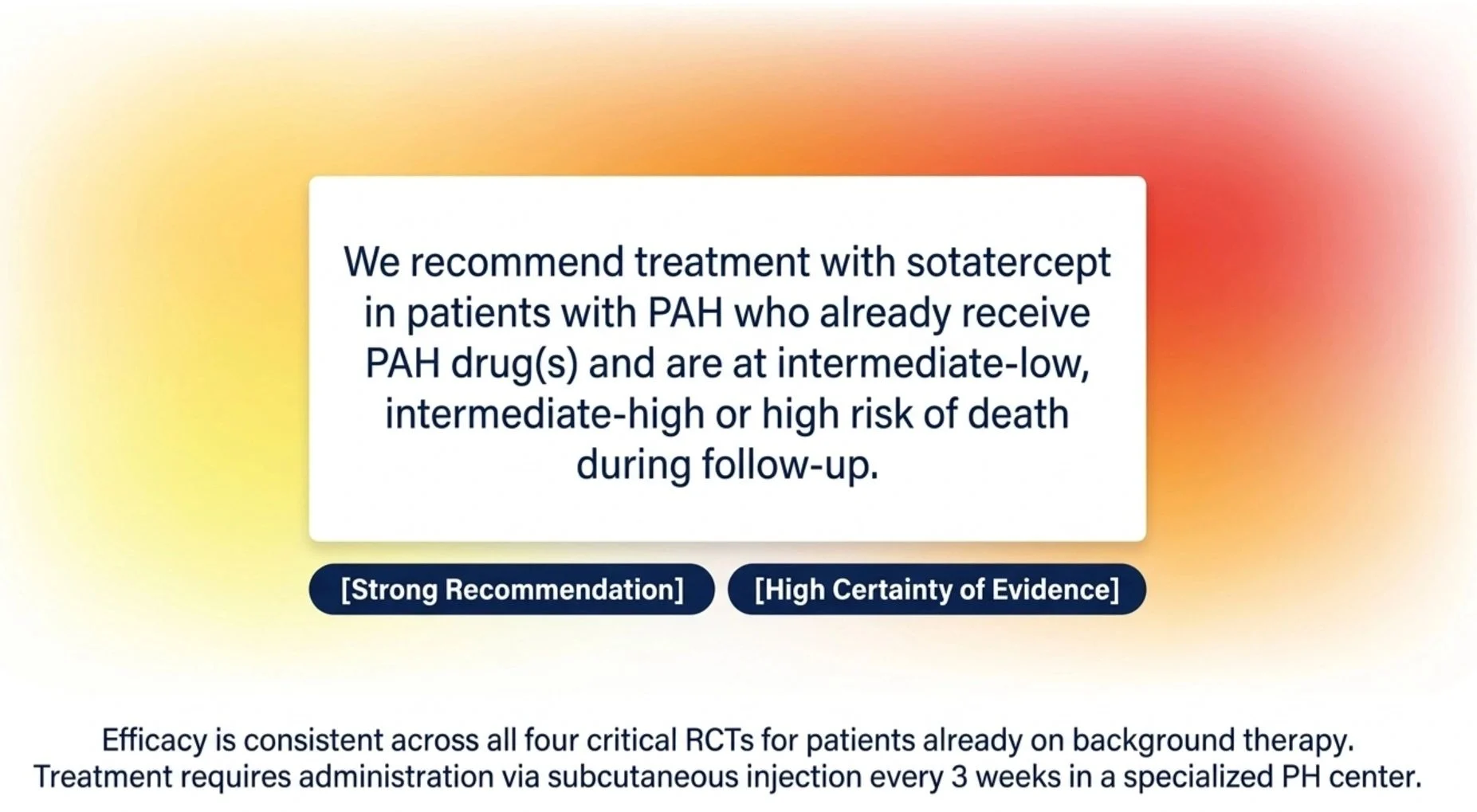
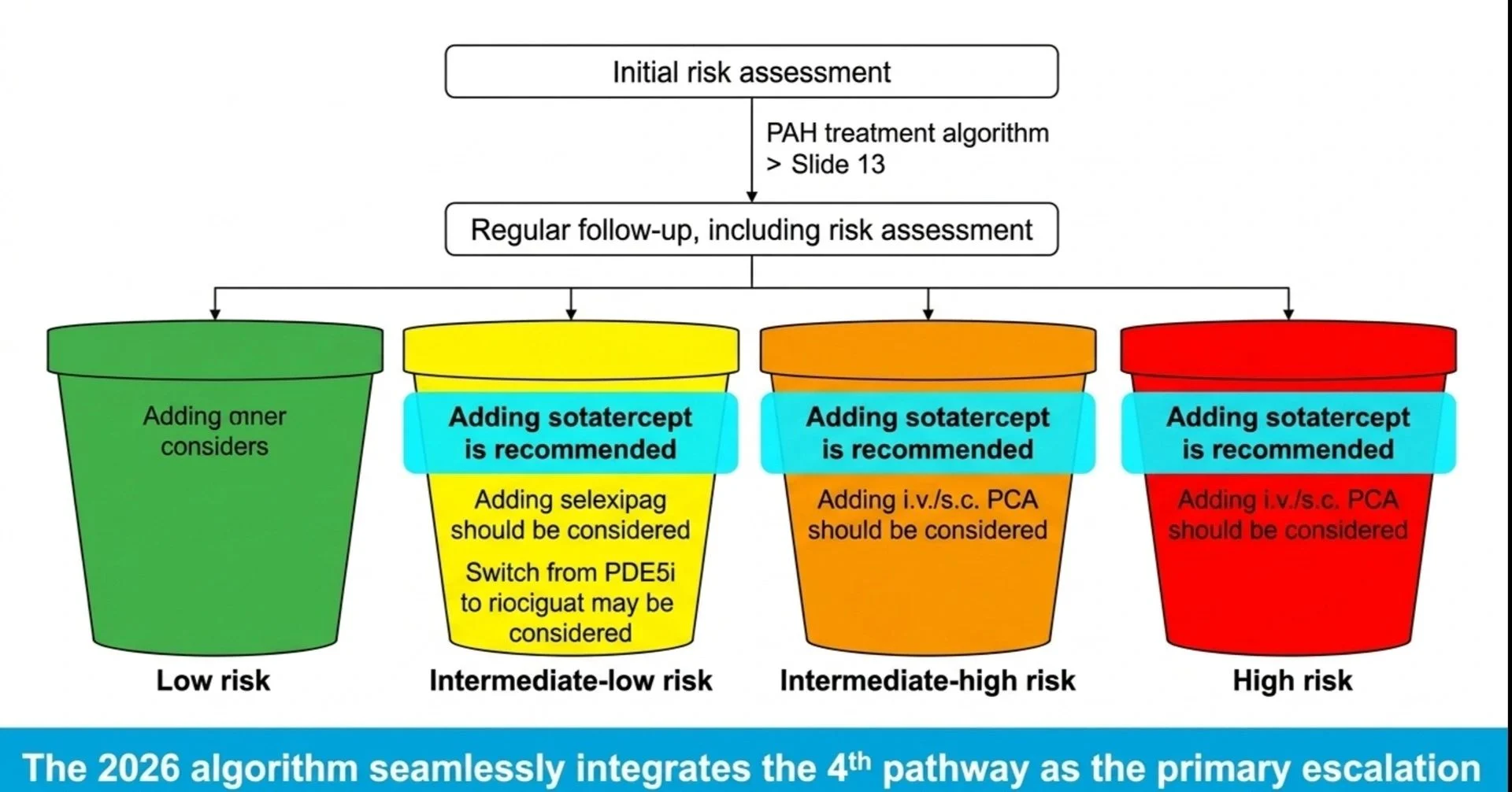
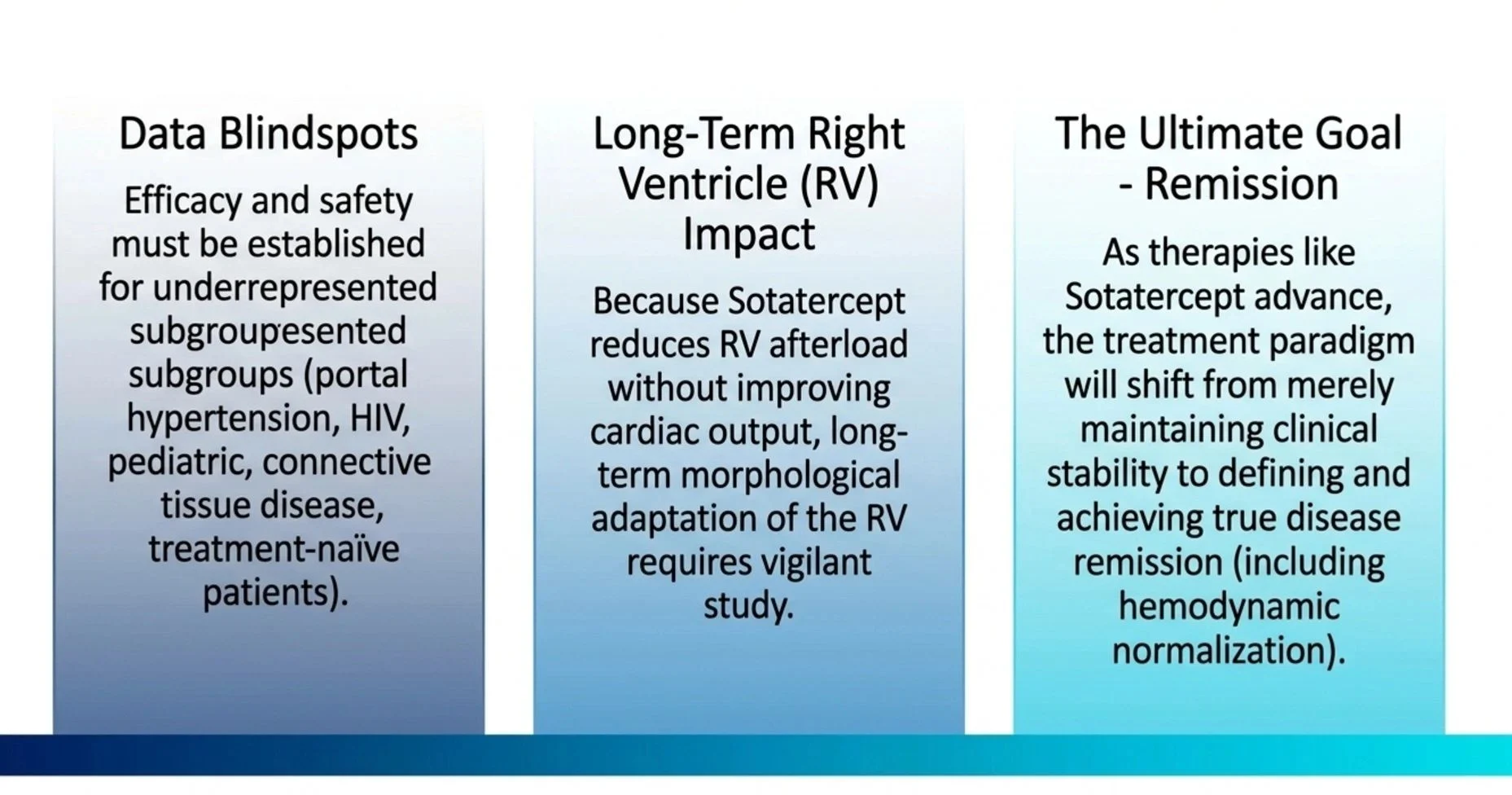
The most important change is the introduction of sotatercept, a new treatment targeting the activin-signalling pathway.
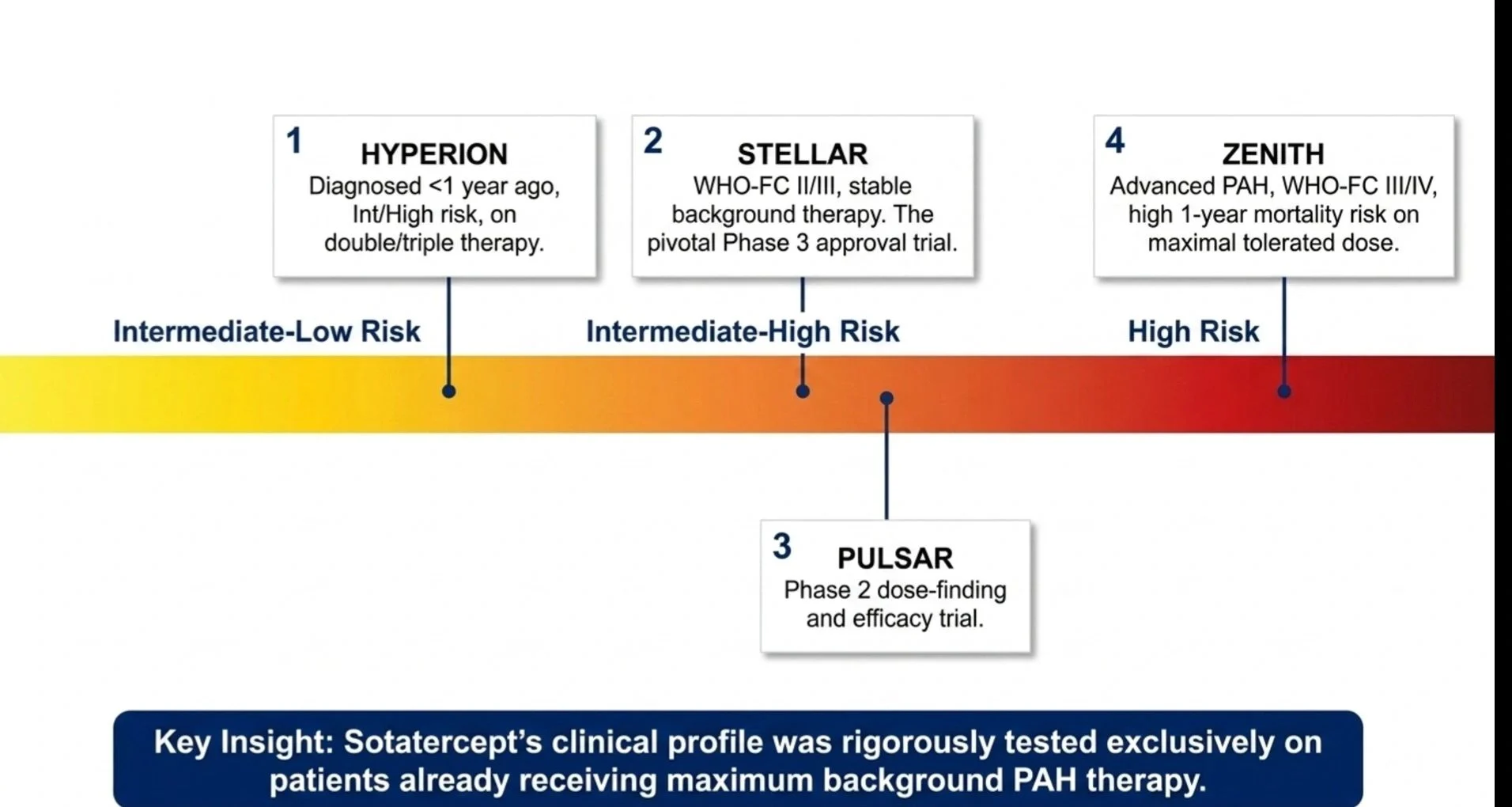
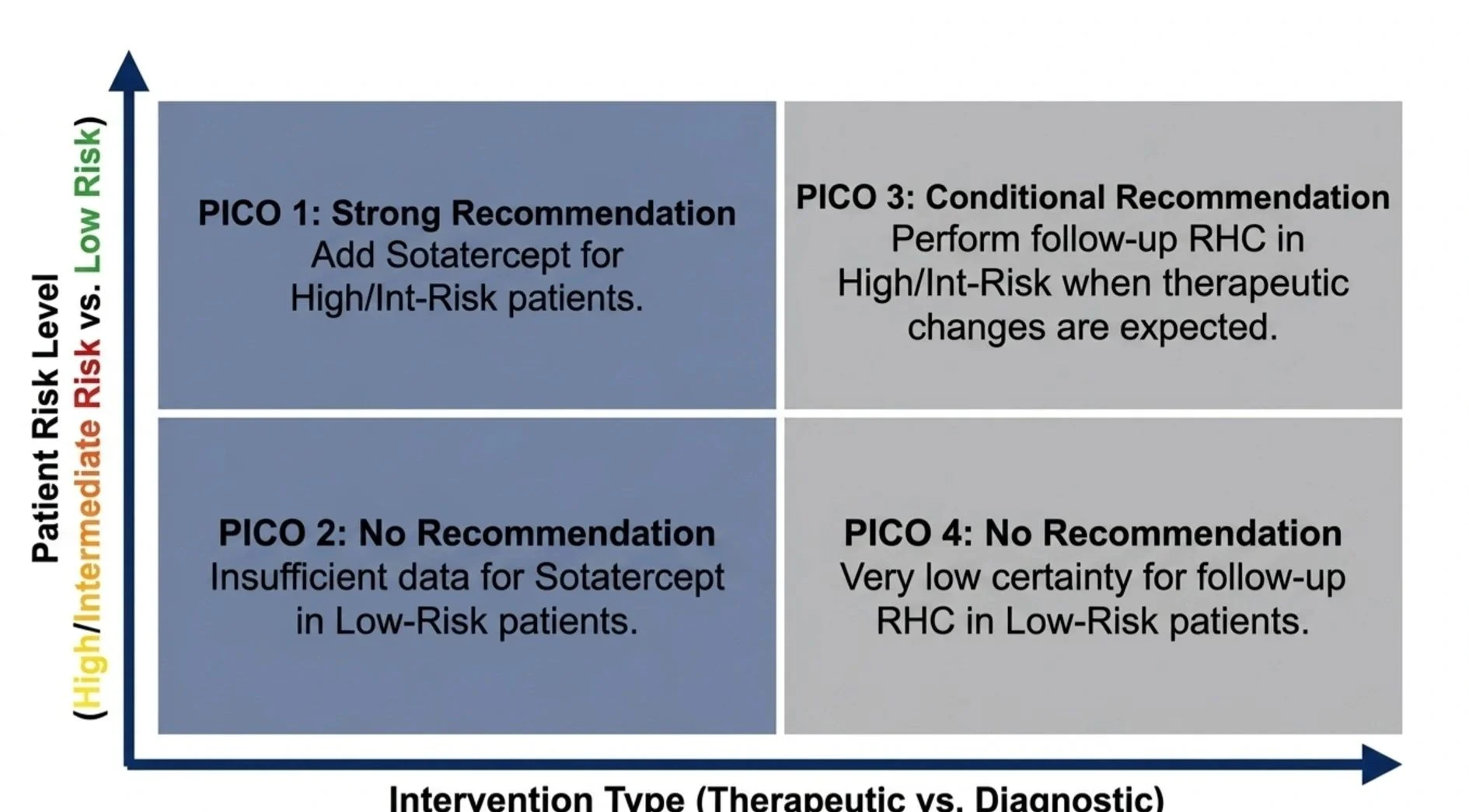
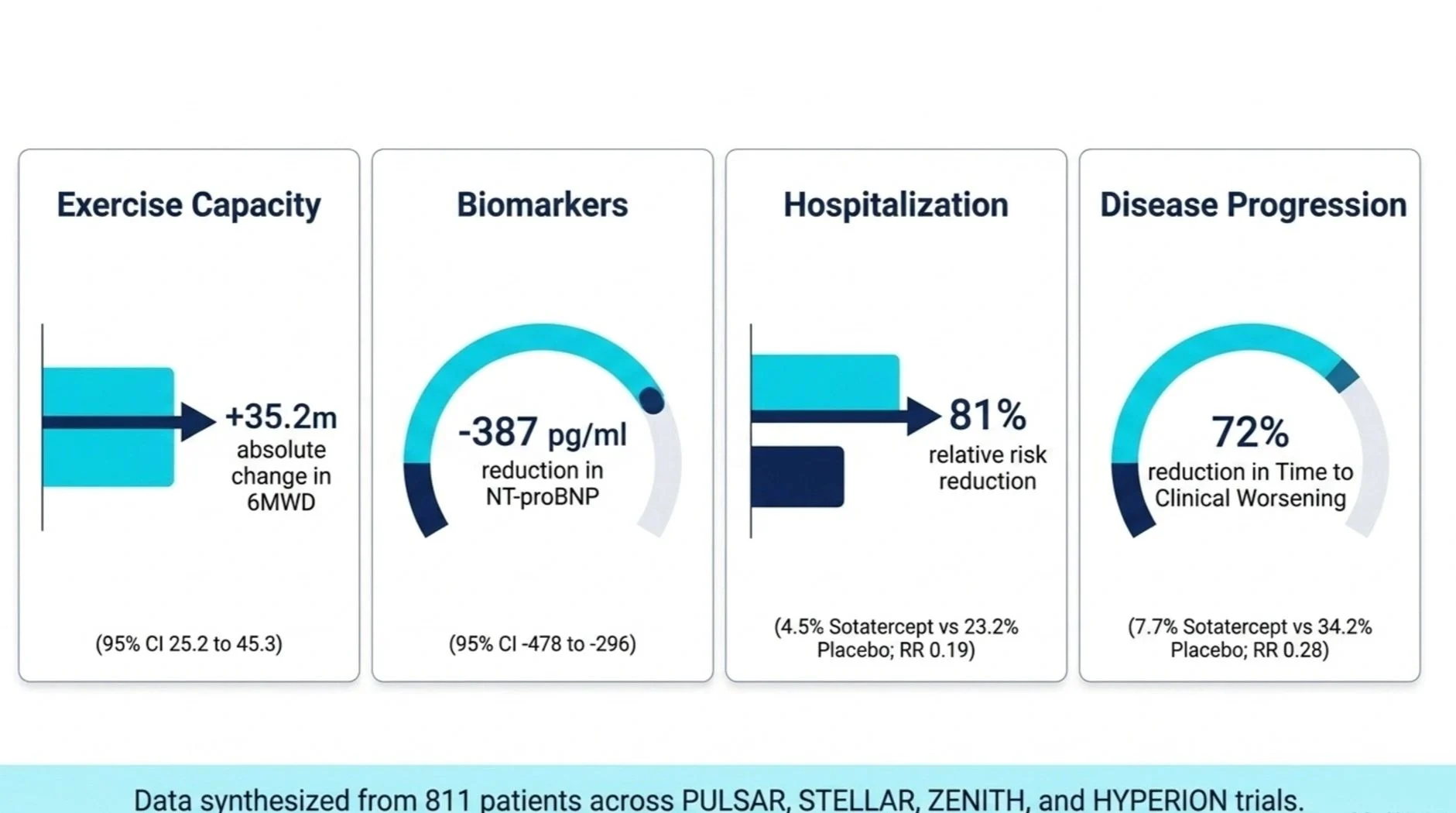
The 2026 ERS Task Force strongly recommends adding sotatercept to existing PAH therapy in patients who remain at intermediate-low, intermediate-high, or high risk during follow-up.
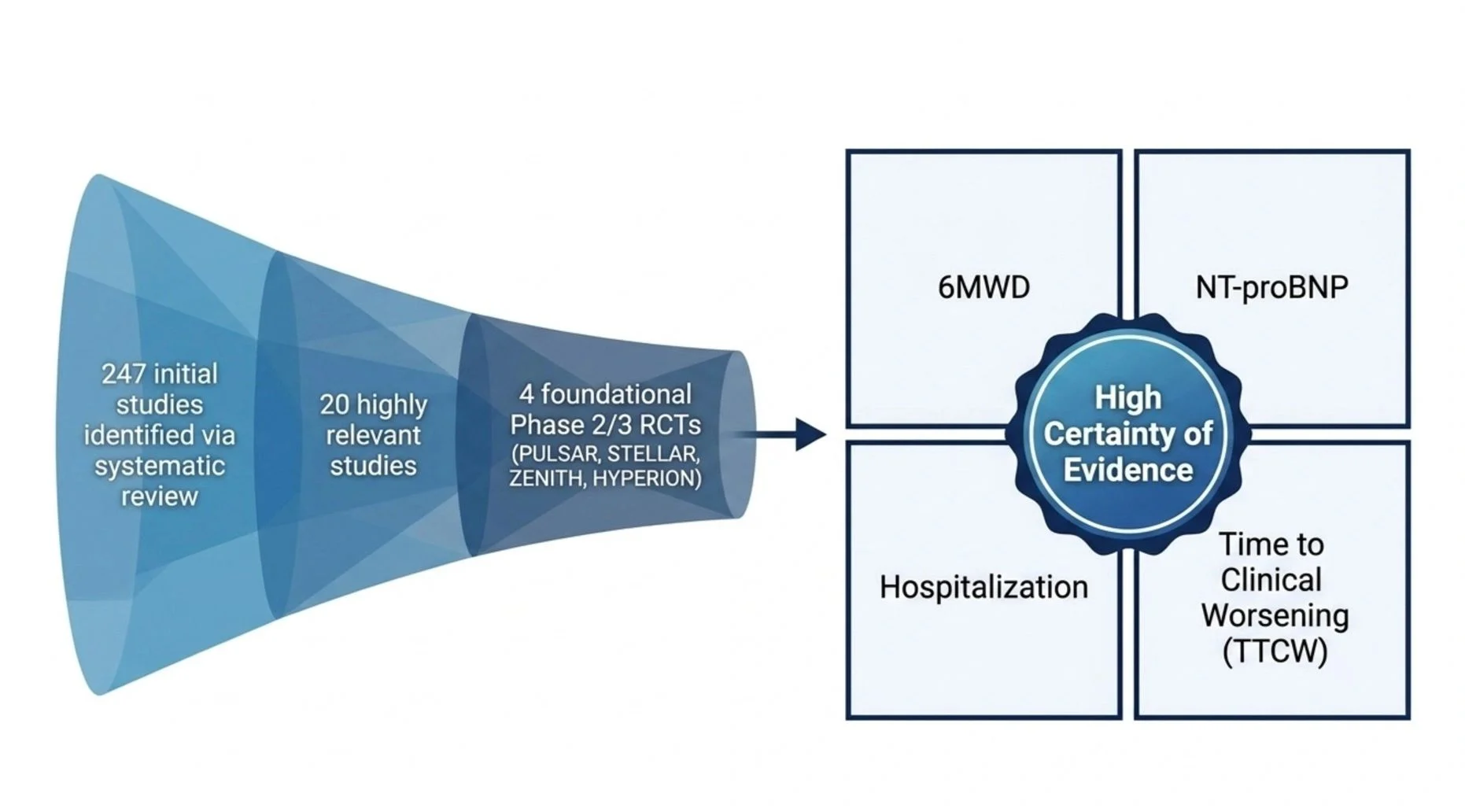
This recommendation is supported by high-certainty evidence from randomized trials.
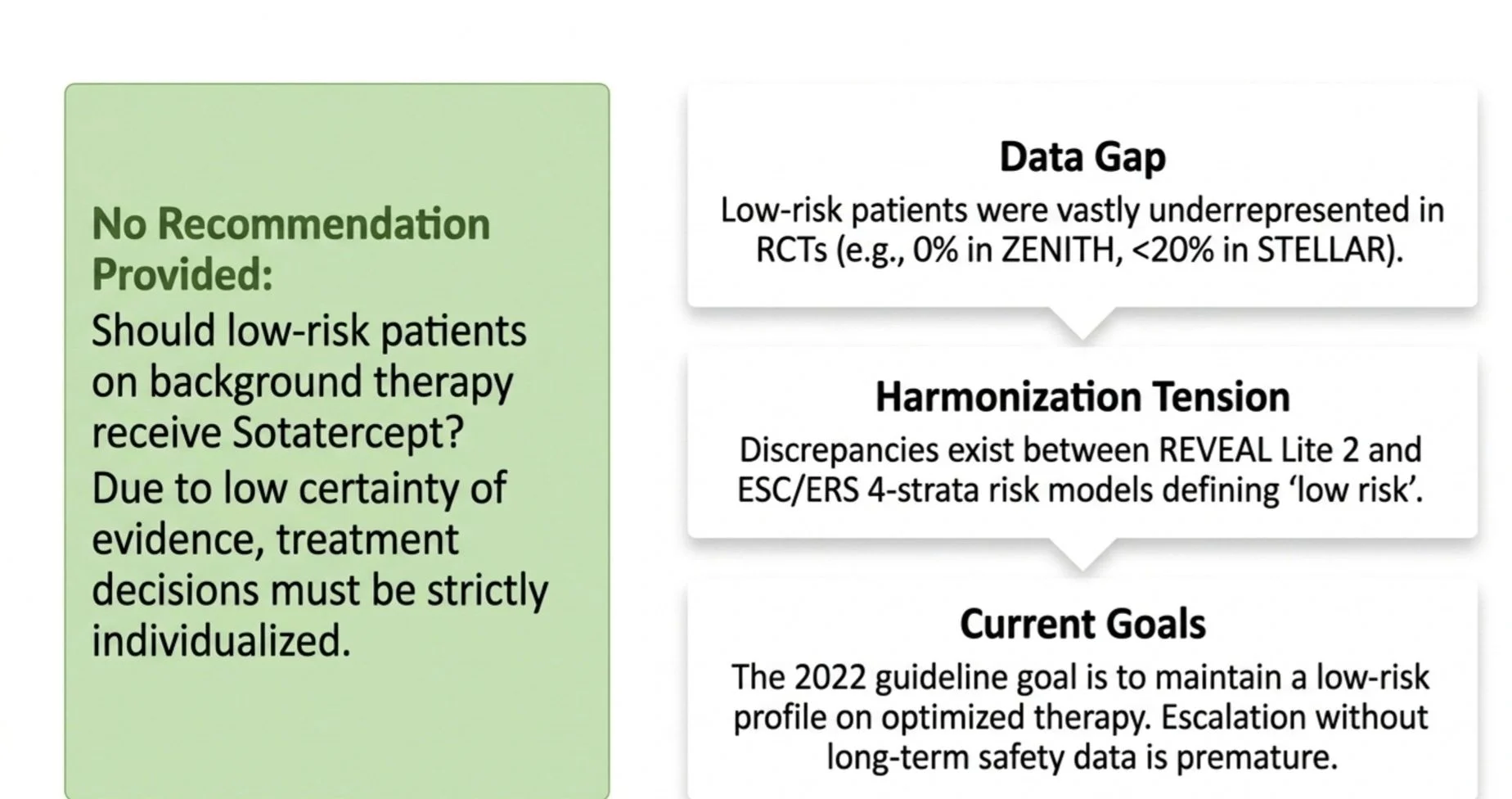
However, the paper does not recommend routine sotatercept for patients who are already at low risk because these patients were underrepresented in clinical trials.
It also does not recommend sotatercept as initial treatment in newly diagnosed, treatment-naive patients because sufficient evidence is not yet available.
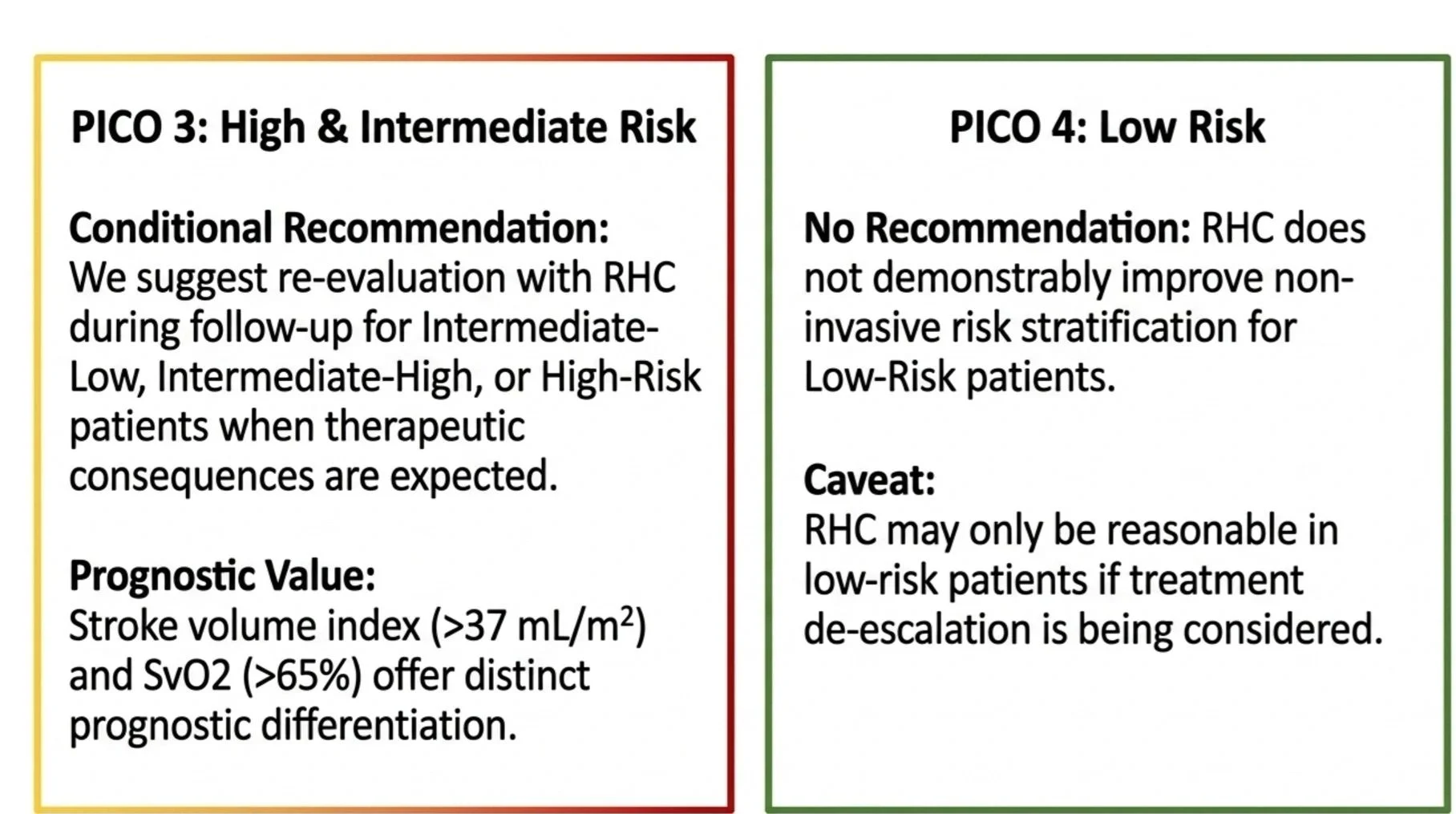
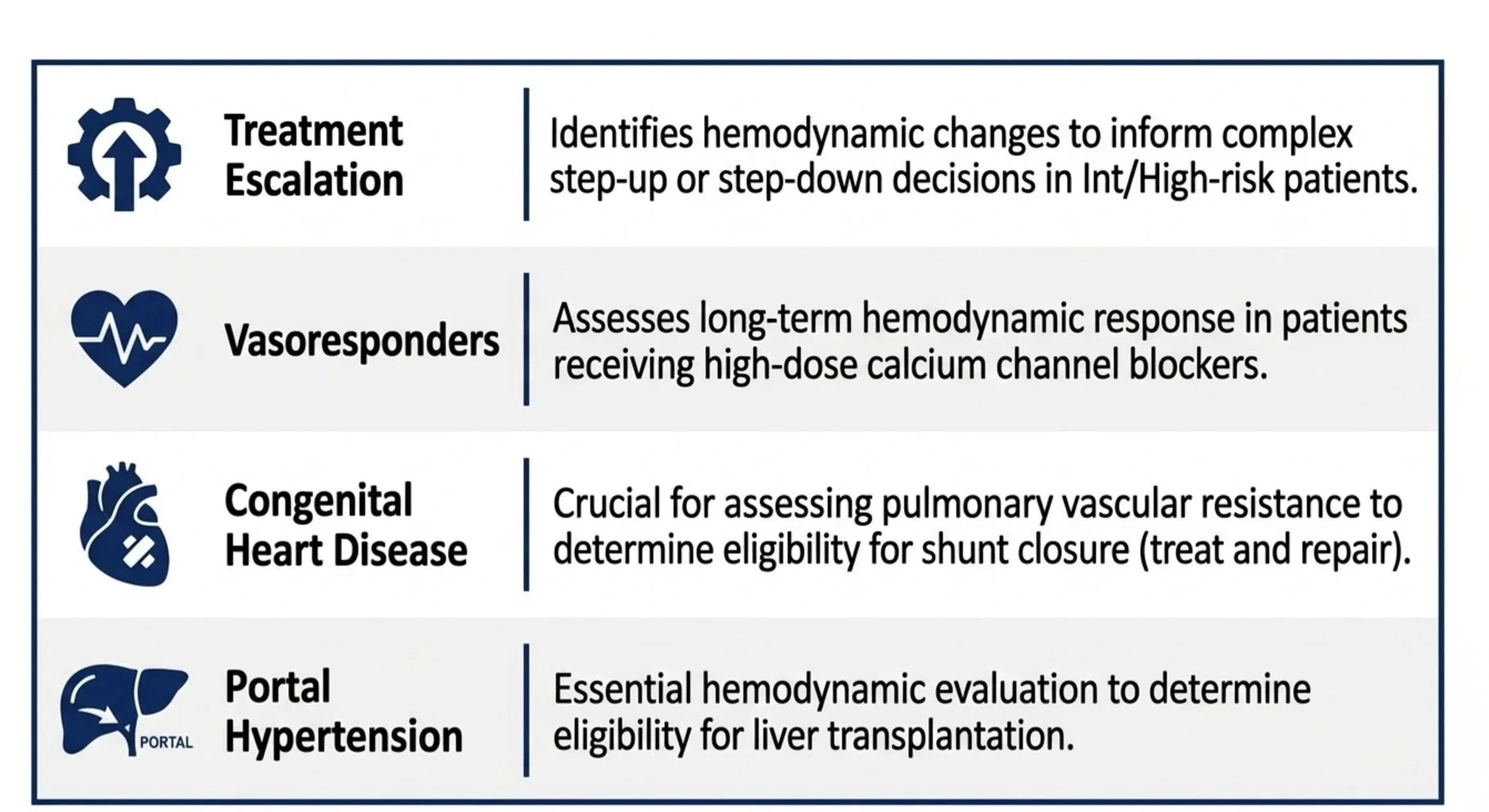
The paper also provides more specific guidance about follow-up right-heart catheterization (RHC) .
The 2022 guideline acknowledged the prognostic value of RHC but did not establish when it should routinely be performed.
The 2026 update suggests RHC in intermediate-low, intermediate-high, or high-risk patients when the results are expected to influence treatment decisions.
This recommendation is conditional and based on very-low-certainty evidence.
Routine RHC is not recommended for every low-risk patient.
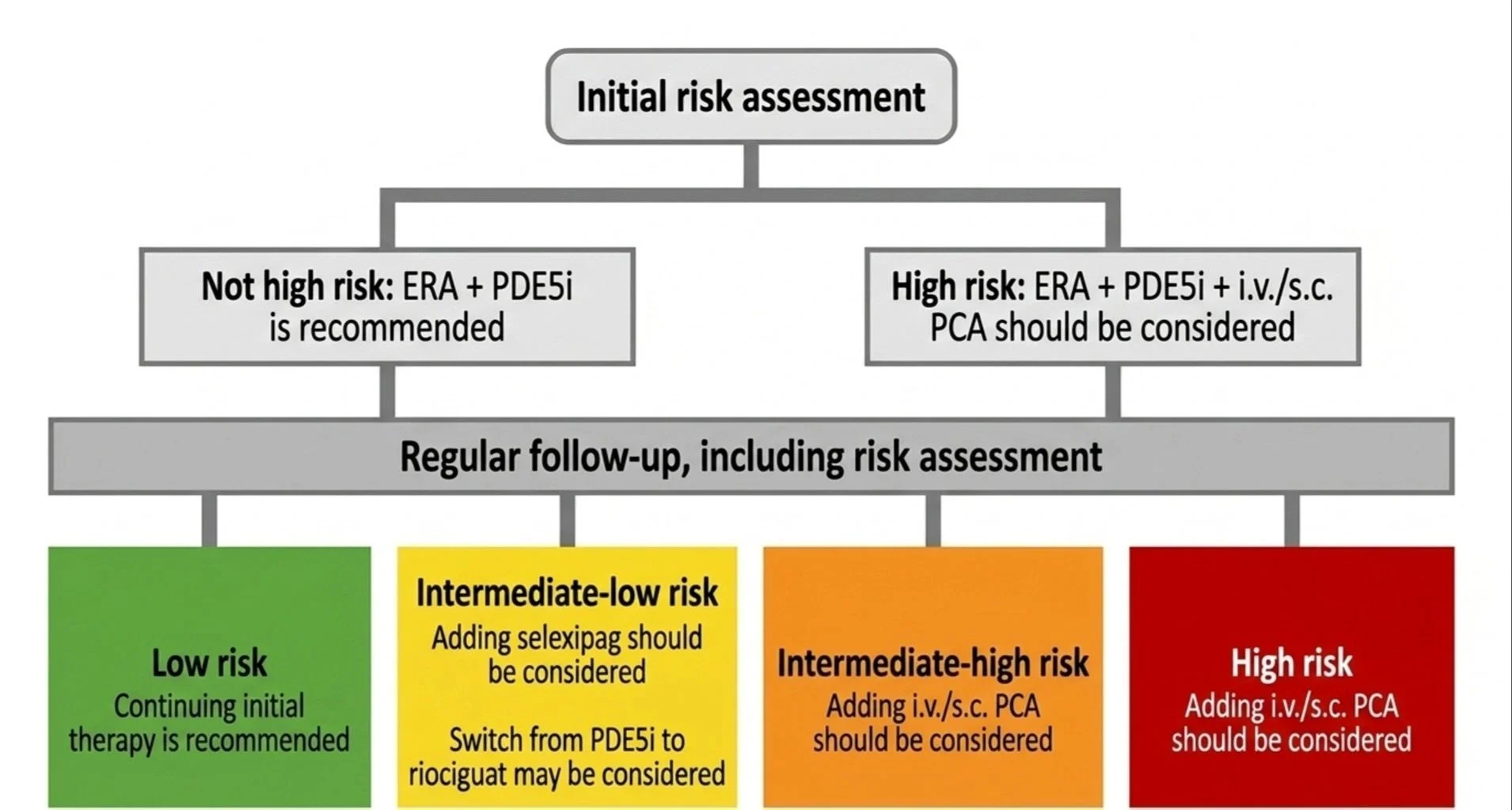
Importantly, the 2026 update retains the main principles of the 2022 guideline: risk-based treatment, the goal of achieving and maintaining low risk, initial combination therapy for suitable patients, timely use of parenteral prostacyclin in high-risk disease, and consideration of lung transplantation when appropriate.
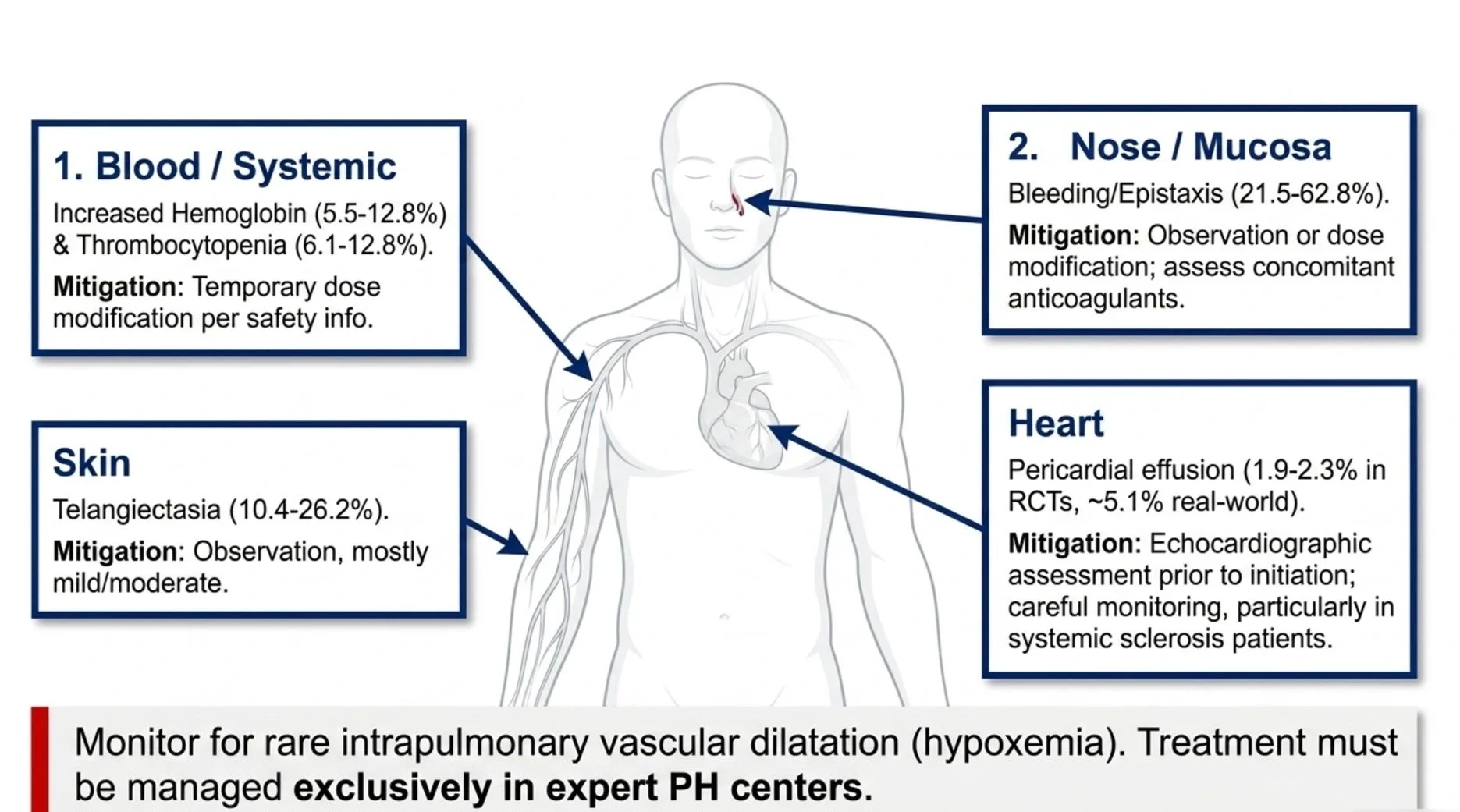
In my opinion this is a valuable and clinically relevant update because it incorporates sotatercept into modern PAH management while remaining cautious about its limitations and safety.
I consider the recommendation to use sotatercept in persistently higher-risk patients reasonable, but it should not delay prostacyclin therapy or specialist referral.
The cautious approach to low-risk patients and follow-up RHC is appropriate until stronger long-term evidence becomes available.”
Stay updated with Hemostasis Today.


-
Sep 14, 2026, 04:24Sourabh Dwivedi: Important Hemoglobinopathies – High-Yield-Alert!
-
Sep 14, 2026, 04:14Leonard Valentino: Deeply Grateful to be Nominated for the 2026 Galien Patient First Award
-
Sep 13, 2026, 17:28Jim Hoffman: New Potential Predictive Biomarker for Lupus Nephritis
-
Sep 13, 2026, 17:08W. Alberto Sifuentes Giraldo: Urticarial Vasculitis Clinical Features, Systemic Involvement, and Treatment
-
Sep 13, 2026, 16:58Let’s Debunk Some Myths about Blood in SCD – ASCO
-
Sep 13, 2026, 16:56William Wallace: A Magnesium Ion Decides Whether Your Brain Learns or Not
-
Sep 13, 2026, 16:54Meet NBDF’s 2026 Excellence Fellowship Recipients – National Bleeding Disorders Foundation
-
Sep 13, 2026, 16:52Kaloyan Takov: Native Lp(a) Carries a Distinct Triglyceride Signature Linked to Cardiovascular Disease
-
Sep 13, 2026, 16:51Axay Tomar: How Simulation-Based Education Shapes Safer Transfusion Practices