


Nasr Almusattar: What is the No-Reflow Phenomenon?
Nasr Almusattar, Anesthesiologist Assistant, shared a post on LinkedIn:
“What is the No-Reflow Phenomenon?
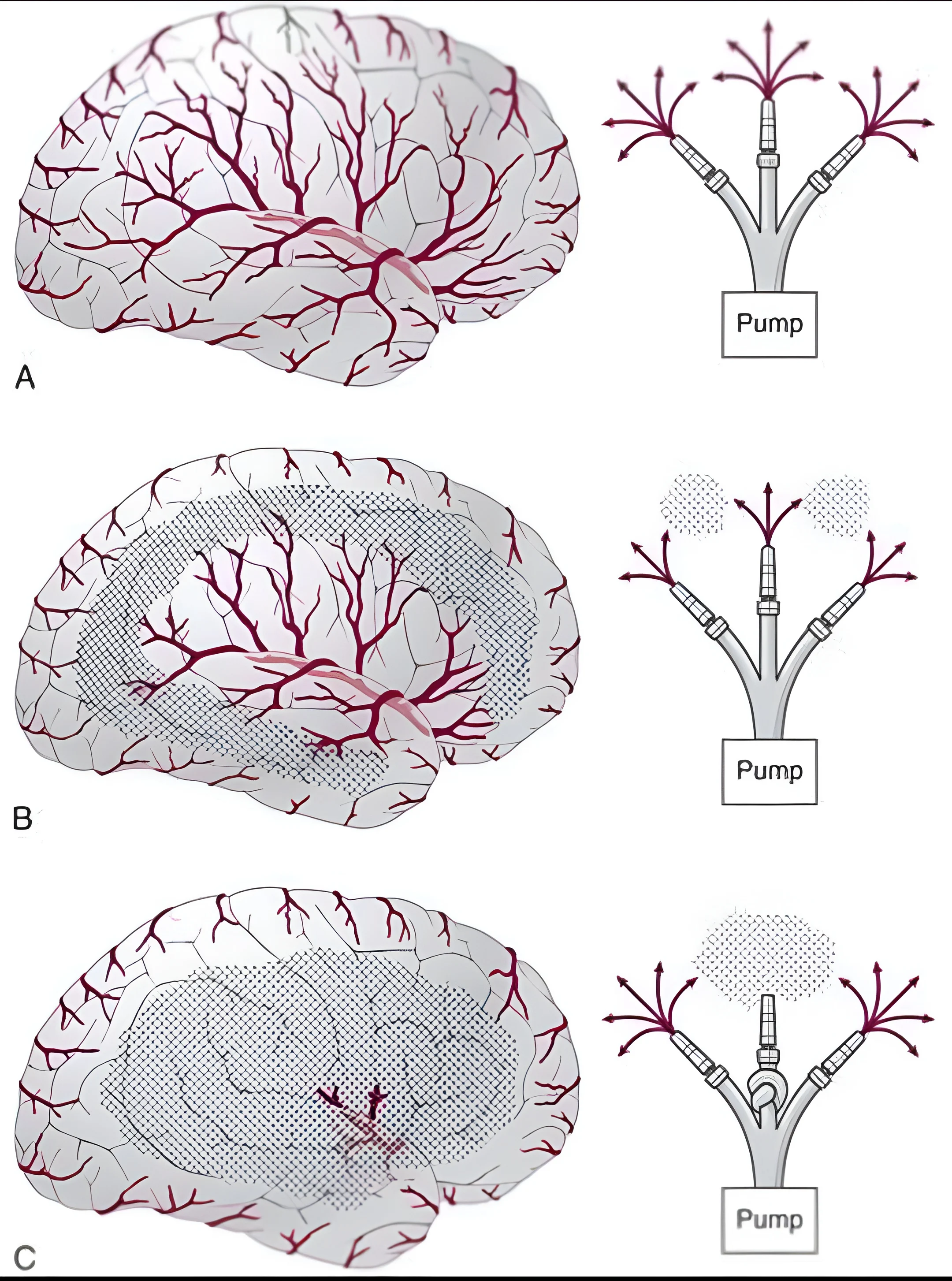
The no-reflow phenomenon refers to the failure of microvascular perfusion despite successful restoration of blood flow in the major vessels.
In other words:
The artery is open, but blood does not reach the tissues at the capillary level.
It is a critical issue observed after Cardiopulmonary Bypass (CPB), affecting both the heart and the brain.
Pathophysiology (Why does it happen?)
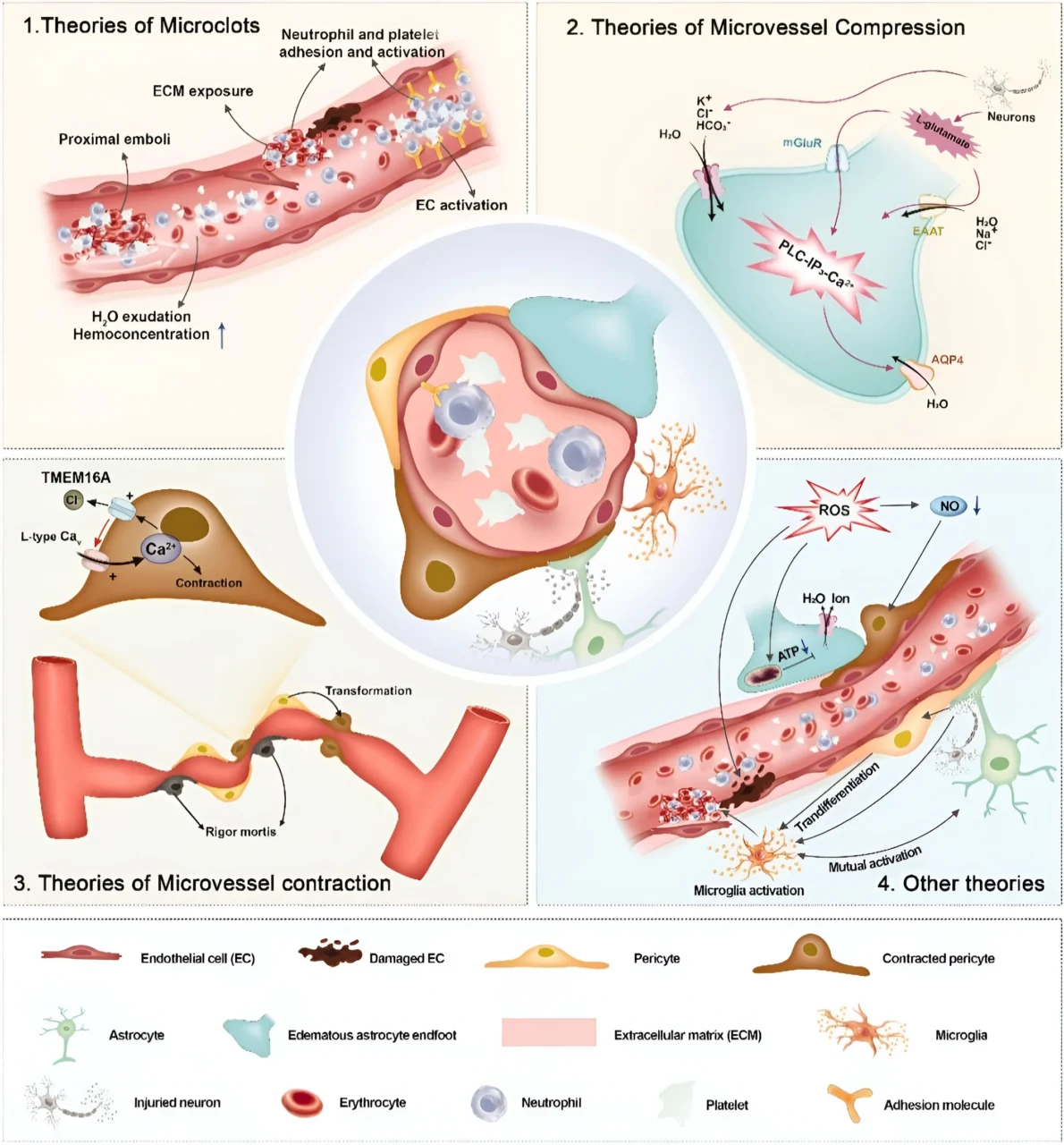
- No-reflow is mainly caused by microcirculatory dysfunction, due to:
- Ischemia – Reperfusion Injury – Production of reactive oxygen species (ROS)
- Endothelial Dysfunction – Reduced nitric oxide – vasoconstriction
- Capillary Obstruction – Platelets, leukocytes, and microemboli block small vessels
- Cellular Edema – Swelling compresses capillaries
- Increased Blood Viscosity – Impairs microcirculatory flow
Cardiac No-Reflow
- Occurs after restoring coronary circulation.
- Clinical effects:
- Poor myocardial contractility
- Arrhythmias
- Low cardiac output
- Elevated lactate
Cerebral No-Reflow:
- Occurs after restoration of cerebral perfusion.
- Clinical effects:
- Delayed awakening
- Confusion or delirium
- Neurological deficits
Diagnosis:
There is no single test, but clues include:
- Lactate levels
- Persistent organ dysfunction despite adequate flow
- Echocardiography (cardiac dysfunction)
- Cerebral oximetry (NIRS) if available
Management:
- Management is supportive and multi-targeted
1. Optimize Hemodynamics
Maintain adequate MAP (65–80 mmHg)
Ensure sufficient cardiac output
2. Improve Microcirculation
Vasodilators (e.g., Nitroglycerin)
Reduce vasoconstriction
3. Reduce Blood Viscosity
Maintain optimal hematocrit (≈22–28%)
4. Prevent Microthrombosis
Adequate anticoagulation (Heparin during CPB)
5. Control Metabolic Factors
Normalize oxygenation, CO₂, glucose, and electrolytes
6. Organ Support
- Heart: Inotropes (e.g., Dobutamine)
- Brain: Maintain cerebral perfusion pressure
Prevention (Most Important)
During CPB:
- Minimize cross-clamp and bypass time
- Use proper cardioplegia
- Ensure effective de-airing (avoid microemboli)
- Use filters in the circuit
Physiological Control:
- Maintain adequate blood pressure and flow
- Avoid extreme hemodilution
- Control temperature (mild hypothermia)
- Monitor electrolytes and glucose.”
Stay updated with Hemostasis Today.
-
Sep 29, 2026, 14:32Honoring Women Leaders Advancing Research, Care, and Innovation in Thrombosis and Hemostasis – Seminars in Thrombosis and Hemostasis
-
Sep 29, 2026, 14:20Nathan Connell: Key Takeaways from the 8th Aland Island Meeting on von Willebrand Disease
-
Sep 29, 2026, 14:09Mariusz Ratajczak: Are We Inadvertently Destroying the True Regenerative Power of PRP by Discarding the Plasma?
-
Sep 29, 2026, 14:00Nithin M: Proximal Splenic Artery Embolization Prior to Shunt-Directed Variceal Therapy
-
Sep 29, 2026, 13:12Wolfgang Miesbach: Teclistamab Targets the Source of Pathogenic Autoantibodies
-
Sep 29, 2026, 12:37Dan Milikovsky: Uncovering Cerebrovascular Injury in Sickle Cell Disease
-
Sep 29, 2026, 12:02Hajra Malik: Bridging Language Gaps in Hematology With AI
-
Sep 29, 2026, 11:57Joan Montaner: Can Blood Test Identify Intracerebral Hemorrhage Within Minutes?
-
Sep 29, 2026, 11:43From Years Without Answers to Life With Hemophilia Care – WFH