

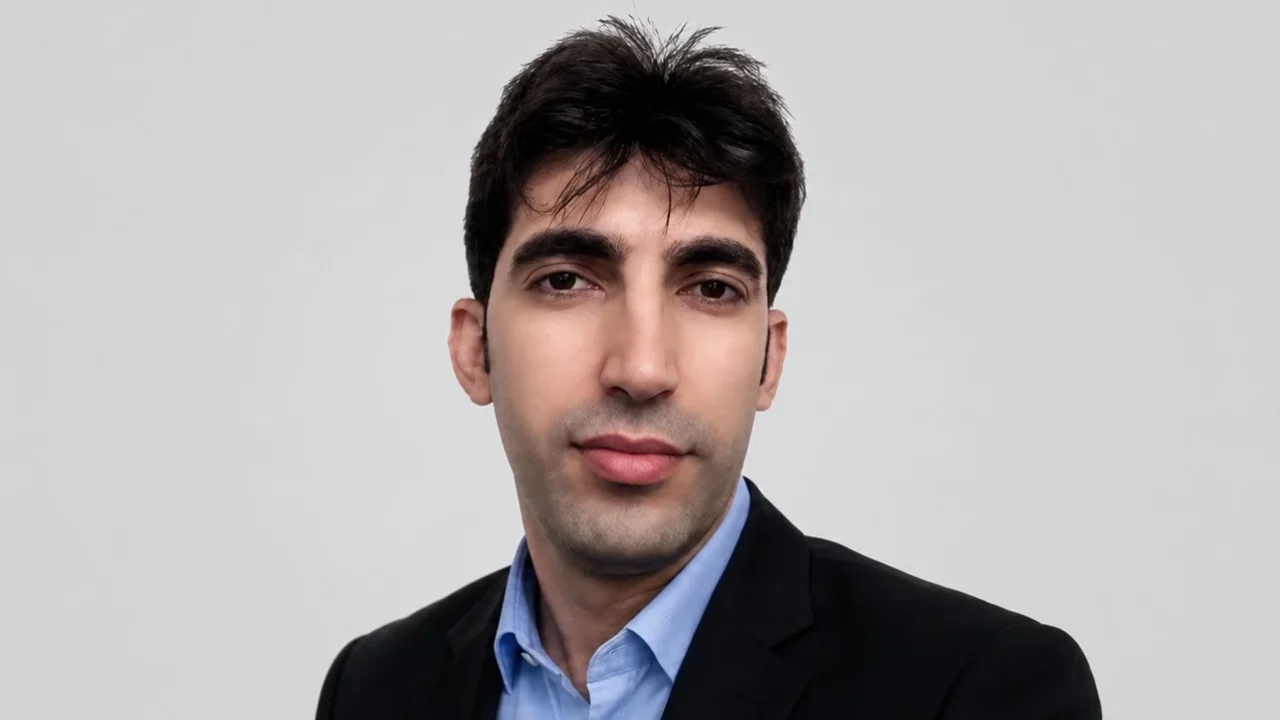
Nebil Youssef: Deaths in Custody Raise New Questions for Syria’s Government
Nebil Youssef, Journalist, shared a post on X:
“From Yusuf al-Labad to Mohammad Ghamira: Deaths in Custody Raise New Questions for Syria’s Government.
Lattakia, Syria — A Syrian man has died after allegedly being tortured while in police custody in the western province of Latakia, sparking public anger and prompting the Interior Ministry to launch an investigation into the circumstances surrounding his death.
Mohammad Hossam al-Din Ghamira, who had been detained at a police station in the al-Haffah area over an alleged theft, was transferred to hospital after his health deteriorated and later died. His family says he was beaten and tortured while in detention and that authorities had been informed that he suffered from haemophilia, a condition that can cause potentially life-threatening bleeding.
Ghamira’s death has raised renewed concerns over the treatment of detainees in Syria, with activists and local residents demanding a transparent investigation and accountability for anyone found responsible.
His wife said Ghamira urgently needed medication, which she had sent to the police station, but that it was not allowed to reach him. After seeing her husband, she said she found what she described as signs of severe beating to his head, neck and abdomen.
The allegations have not been independently verified. A forensic medical report reportedly found no visible signs of torture on his body.
Following the incident, Interior Minister Anas Khattab ordered the formation of a special committee to investigate Ghamira’s death and determine the circumstances surrounding his treatment in custody. The committee has been given 72 hours to submit its findings.
Seven people who were present in the detention area at the time of the incident have also been detained pending investigation, according to the Interior Ministry.
The case has prompted calls for accountability and renewed scrutiny of detention practices in Syria, where allegations of torture and ill-treatment in custody have remained a major human-rights concern.
Even if the allegations against Ghamira that led to his detention are proven, his detention did not remove his right to humane treatment and medical care. Any criminal charges should be decided by a court, not through violence or abuse in a detention facility.
Ghamira’s death has revived fears that torture and deaths in custody, long associated with the rule of Bashar al-Assad, have not ended with the fall of his government.
The case also recalls the death of Syrian national Yusuf al-Labad, who died in July 2025 after being detained at a security facility near the Umayyad Mosque in Damascus. His family accused security personnel of torturing him and said his body showed visible signs of abuse.
Syrian authorities rejected that account, saying at the time that al-Labad had injured himself while being held, and launched an investigation into the circumstances of his death.
For many Syrians who had hoped that the fall of Assad would bring an end to arbitrary detention, torture and deaths in custody, cases such as al-Labad’s and now Ghamira’s have raised difficult questions about whether practices associated with the former security state are being repeated under Syria’s new authorities, led by President Ahmad al-Sharaa, formerly known as Abu Mohammad al-Jolani.
The deaths have come amid broader allegations of abuses and violence against civilians since the change of government, increasing pressure on the authorities to demonstrate that the new state will uphold the rule of law and protect detainees regardless of the accusations against them.
For families and rights advocates, the central question is no longer simply whether individual officers will be held accountable, but whether the authorities are prepared to establish effective oversight over detention facilities and ensure that torture cannot become a recurring feature of Syria’s new security system.”
Stay updated with Hemostasis Today․
-
Oct 8, 2026, 04:28Jeff Molter: Electrophysiological PIEZO1 Analysis Advances Diagnosis in Hereditary Xerocytosis
-
Oct 8, 2026, 04:23Barbara Adams Krolak: Women and Blood Clots Are We Missing the Warning Signs
-
Oct 8, 2026, 04:10Rutendo Muzambi: Hospital Admission Patterns and Care Disparities in Sickle Cell Disease
-
Oct 8, 2026, 03:50Olfat Berro: Redefining the Future of Haemophilia A
-
Oct 8, 2026, 03:35Tasnia Tarana: Heavy Menstrual Bleeding When the Cause Is Not in the Uterus
-
Oct 8, 2026, 03:28Kian Haseli: Electrophysiological PIEZO1 Analysis Advances Diagnosis in Hereditary Xerocytosis
-
Oct 8, 2026, 03:20Sthanu Subramanian: Leukopenia in Sepsis A Marker of Severe Disease
-
Oct 7, 2026, 16:44Amor Salah: 2026 NCS/SCCM Guidelines for Managing Antithrombotic-Associated ICH
-
Oct 7, 2026, 16:04NETs in Thrombosis: From Mechanism to Therapeutic Target