


Nimesh Patel: Understanding Plasmapheresis – A Clinical Overview
Nimesh Patel, National Board Of Examinations in Medical Sciences at CKS Hospitals, shared a post on LinkedIn:
“Understanding Plasmapheresis: A Clinical Overview
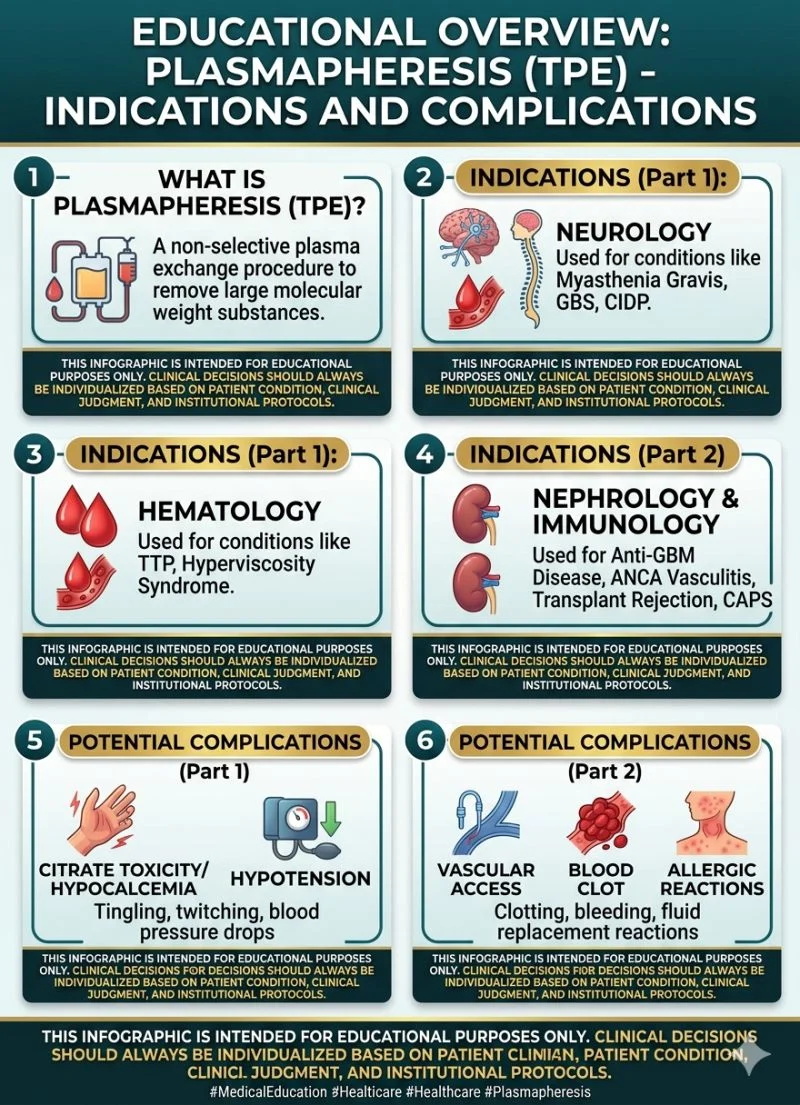
Plasmapheresis—also known as therapeutic plasma exchange (TPE)—is a critical procedure used to remove large molecules such as pathogenic autoantibodies, immune complexes, or toxins from a patient’s plasma.
When the removal of circulating substances is required to halt or reverse disease progression, TPE becomes an essential intervention.
Key Clinical Indications
- Neurology: Myasthenia gravis, Guillain-Barré syndrome, and Chronic inflammatory demyelinating polyneuropathy (CIDP).
- Hematology: Thrombotic thrombocytopenic purpura (TTP) and Hyperviscosity syndrome.
- Nephrology: Anti-GBM disease (Goodpasture syndrome) and ANCA-associated vasculitis.
- Immunology and Other: Transplant rejection (ABO-incompatible) and Catastrophic antiphospholipid syndrome.
Potential Complications
While generally well-tolerated, the extracorporeal circuit and plasma replacement process carry inherent risks.
- Hypocalcemia: Commonly caused by citrate toxicity used for anticoagulation, which can lead to tingling, muscle cramps, or cardiac arrhythmias.
- Hypotension: Often related to volume shifts or patient sensitivity to the procedure.
- Infection/Access-related: Risks such as bacteremia or thrombosis associated with central venous catheter placement.
- Coagulopathy: Increased bleeding risk resulting from the removal of clotting factors.
- Allergic Reactions: Sensitivity to replacement fluids (e.g., albumin or fresh frozen plasma), ranging from mild urticaria to anaphylaxis.
Educational Disclaimer:
This content is intended for educational purposes only. Clinical decisions should always be individualized based on patient condition, clinical judgment, and institutional protocols.”
Stay updated with Hemostasis Today.
-
Oct 10, 2026, 00:34Raphaëlle Dodart: Discussing the Mechanisms of Menstrual Hemostasis
-
Oct 10, 2026, 00:26Barbara Adams Krolak: Discussing the Growing Need for Blood Clot Prevention in Asia
-
Oct 9, 2026, 23:59Ana Pedrero Gil: Is Coagulopathy with Fibrinolysis Present in All Obstetric Hemorrhages?
-
Oct 9, 2026, 23:57Exploring the Psychosocial Needs of People with Bleeding Disorders in Kyrgyzstan – EAHAD
-
Oct 9, 2026, 23:53Bernard Slater Jr.: Serving on the Advisory Council for the NBDF West Virginia Chapter
-
Oct 9, 2026, 23:53Aurelio Maggio: Thalassemia Reports Real-Time Impact Factor Rises to 1.760
-
Oct 9, 2026, 23:52Stronger Connections, Stronger Organizations – World Federation of Hemophilia
-
Oct 9, 2026, 23:46Samuel Misiani Mbunya: Advancing Sickle Cell Care Through Collaboration at the 21st ASCAT Conference
-
Oct 9, 2026, 23:42Hadeel Swed: My First First-Author Publication in Thrombosis Research