

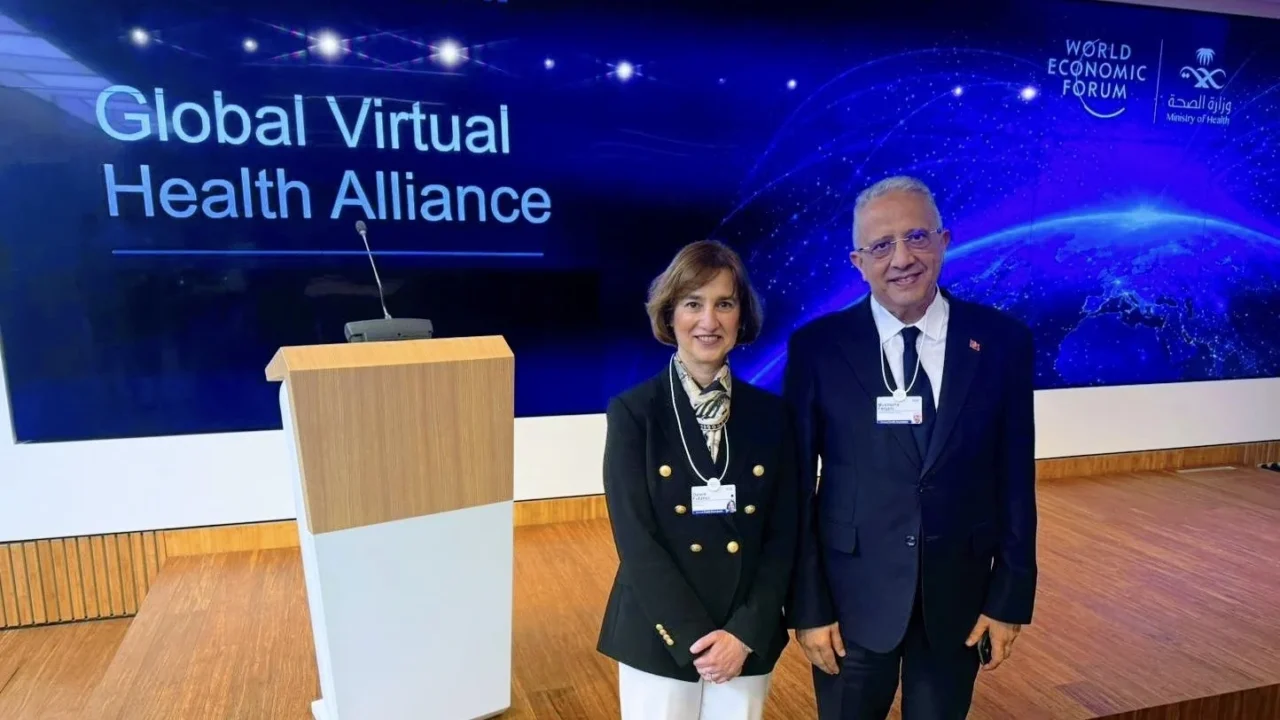
Ozlem Fidanci: Reflections From WHA79 on the Future of Stroke Care
Ozlem Fidanci, Chief of International Region at Philips, Member of Executive Committee, shared on LinkedIn:
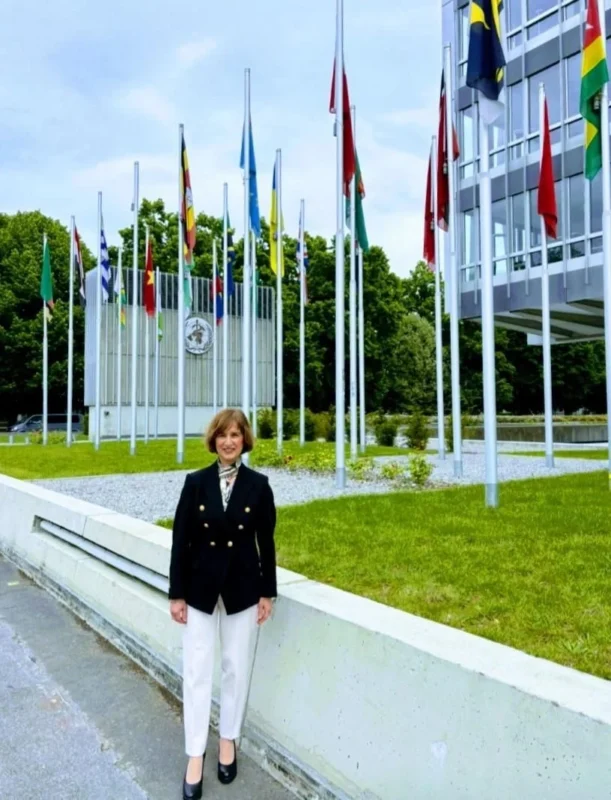
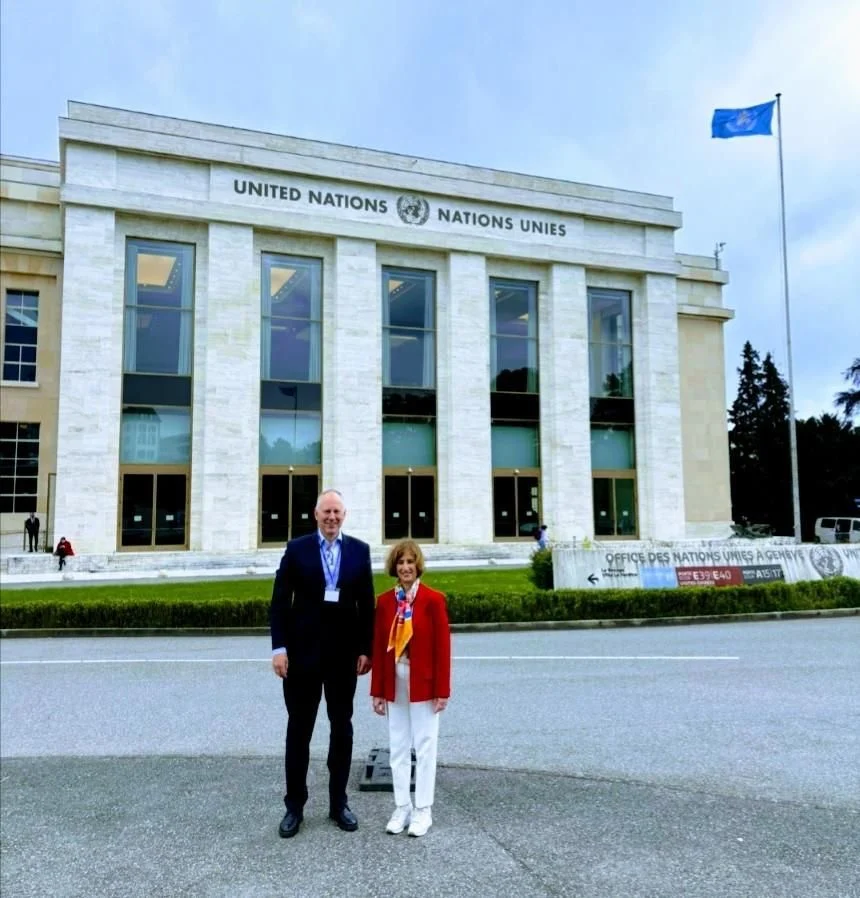
”It’s been a packed and energizing week at WHA79 in Geneva, and so encouraging to see how strongly the global health conversation is shifting toward prevention, earlier diagnosis, AI-enabled care, and more resilient healthcare systems.
Over the past few days, I had the opportunity to engage with Ministers of Health, policymakers, and partners from across many of our markets on key priorities: improving access to care, strengthening health system resilience, and scaling innovation through AI and digital health.
A major milestone was the adoption of WHA resolutions on Stroke Care and Diagnostic Imaging through Teleradiology, two important areas where Philips was proud to help convene discussions and co-organize events alongside partners and governments.
For stroke care, the focus is clear: improving access to early diagnosis, timely treatment, and post-stroke care, while advancing technologies such as Mechanical Thrombectomy that can significantly improve patient outcomes.
On diagnostic imaging and teleradiology, momentum is growing around scalable digital and AI-supported solutions that can expand access to imaging, improve diagnostic confidence and speed, and enable earlier detection of disease particularly in underserved communities.
Early diagnosis remains one of the most powerful ways to improve outcomes and reduce pressure on health systems.
Another important topic was raising awareness around global helium supply volatility and the potential impact on continuity of MRI services.
Advancing helium-free and low-helium MRI solutions will be critical to building more resilient and sustainable imaging infrastructure.
I also appreciated the opportunity to join discussions at the World Economic Forum dinner on AI, digital health, pandemic preparedness, and NCDs, reinforcing the importance of collaboration across governments, industry, and global health partners.
Thank you so much to all partners and colleagues for the conversations and continued collaboration throughout the week and beyond!”
Stay updated with Hemostasis Today.
-
Nov 14, 2026, 23:57Jamie S. Y. Ho: Exploring the Mechanisms of Arterial Thrombosis and the Evolution of Antithrombotic Therapy
-
Nov 14, 2026, 23:53Jacopo Imberti: The Past, Present and Future of Arterial Thrombosis Research
-
Nov 14, 2026, 23:48Shrouk Ramadan: Joining the Editorial Review Board of Clinical and Applied Thrombosis and Hemostasis
-
Nov 14, 2026, 23:46Habib Bennaceur: Moving Towards Fewer Limitations for People Living With Haemophilia
-
Nov 14, 2026, 23:44Paul Healy: EU Approves Frehemgo for Haemophilia A
-
Nov 14, 2026, 23:43Mehak Trehan: ASH 2026 Benign Hematology – Ten Abstracts Through an Indian Lens
-
Nov 14, 2026, 23:33Felipe Magalhaes Furtado: Artificial Intelligence Advances PNH Clone Detection Through Machine Learning
-
Nov 14, 2026, 23:33Mona Alfaraj: International Pathology Day Promotes Education in Hemoglobinopathy Diagnostics
-
Nov 14, 2026, 23:33Alexandros Makis: Exploring Vascular Mechanisms and Therapeutic Targets in β-Thalassemia