


Sadashiva Pai: How Pancreatic Cancer Uses Blood Clotting to Evade Immune Attack
Sadashiva Pai, Editorial Board at Aging Brain, Founder and CEO of Science Mission LLC, shared a post on LinkedIn:
“Pancreatic cancer uses blood-clotting system to evade immune attack
Pancreatic ductal adenocarcinoma is among the deadliest cancers, with a five-year survival rate of about 13 percent. While immunotherapies have transformed treatment for several cancers, they have shown little success against pancreatic cancer because the tumor environment can prevent immune cells from recognizing and attacking cancer cells.
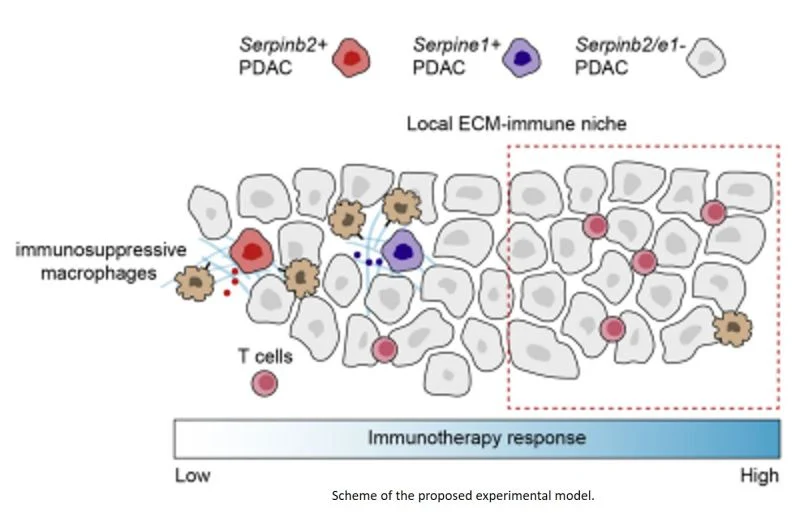
The investigators identified two proteins produced by pancreatic cancer cells, PAI1 and PAI2, as key drivers of immune protection.
These proteins promote the buildup of fibrin, a protein normally involved in blood clotting and wound healing. The fibrin-rich environment attracts, educates, and retains macrophages, which can prevent cancer-fighting immune cells, including T cells, from reaching the tumor.
The findings shed light on how pancreatic cancer can resist immunotherapy and may also help explain why patients with pancreatic cancer are more susceptible to blood-clotting complications such as deep vein thrombosis. The findings suggest that tumors can increase blood clotting while suppressing immune activity.
One of the study’s most surprising findings was that these protective niches can be created by only a small fraction of tumor cells. In laboratory models, even when just 5 percent of implanted pancreatic cancer cells produced PAI1, they were able to reshape the surrounding immune environment, increasing immune-suppressing macrophages while reducing the number of activated T cells nearby.
The researchers also explored whether these immune-protective niches could be disrupted.
In multiple preclinical models, removing the genes responsible for producing PAI1 or PAI2, or blocking the pathway with an experimental drug, reduced immune suppression, slowed tumor growth, and significantly improved the effectiveness of anti-PD-1 immunotherapy.
Blocking interactions between fibrin and macrophages produced similar results.
Although additional research will be needed before these findings can be translated into treatments for patients, the study identifies several potential therapeutic targets that could eventually be combined with existing immunotherapies to improve outcomes for people with pancreatic cancer.”
Stay updated with Hemostasis Today.
-
Sep 30, 2026, 15:58Bernhard Merget: New Frontiers in Thrombosis and Stroke Research
-
Sep 30, 2026, 15:39Ifeanyichukwu Ifechidere: The Molecular Orchestra of Primary Hemostasis
-
Sep 30, 2026, 15:28Reassessing the Benefit–Risk Balance of Extended Anticoagulation in Cancer Patients – ESC Working Group on Cardiovascular Pharmacotherapy
-
Sep 30, 2026, 15:07Chiranjeev Sharma: Targeting Factor XIa with the Synthetic Inhibitor SB-01
-
Sep 30, 2026, 14:41Bruna Gigante: Balancing Thrombosis and Bleeding in Cardiovascular Care
-
Sep 30, 2026, 14:13Ashok Choudhury: Portal Vein Thrombosis and Outcomes in Cirrhosis
-
Sep 30, 2026, 13:57Leslye Conde Bazán: When Conventional Imaging Is Not Enough – The Role of IVUS
-
Sep 30, 2026, 13:41Huda Salah Eldin: The Challenge of Balancing Antithrombotic Therapy After PCI
-
Sep 30, 2026, 13:29Abdus Salam: What Can CT Venography Reveal About the Veins?