

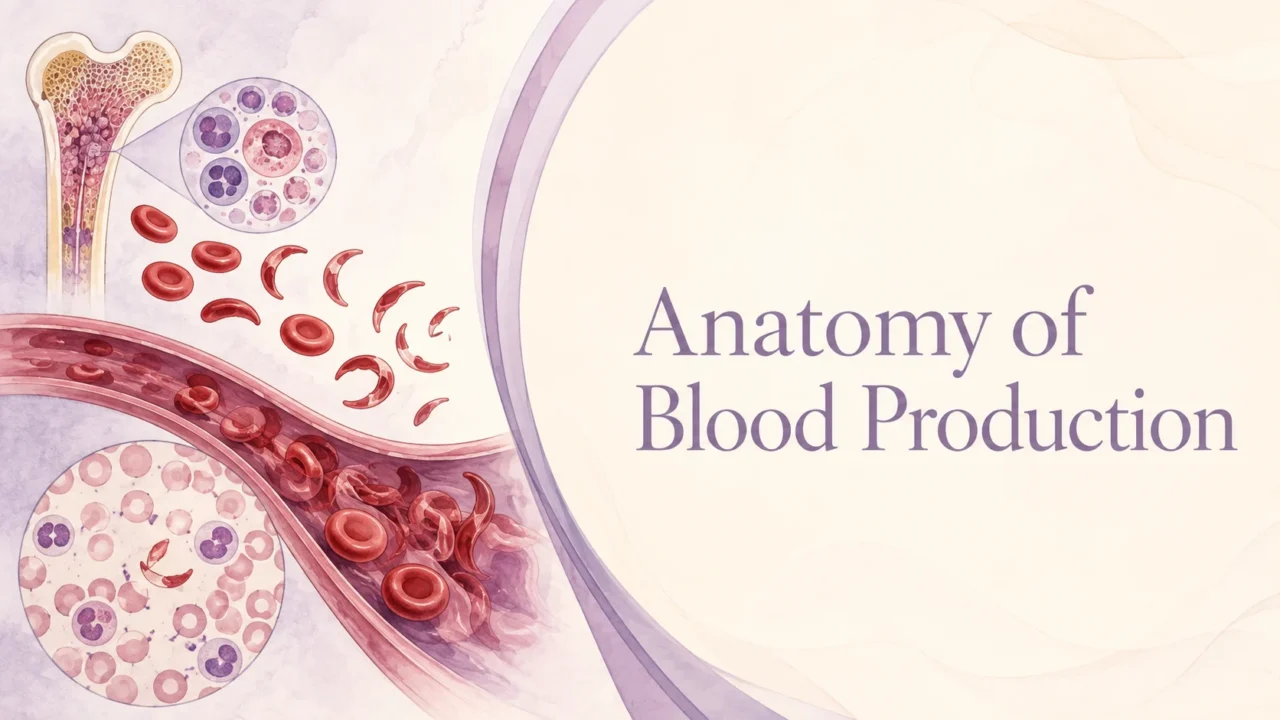
Samuel Nwokolo: The Bone Marrow Factory – Anatomy of Blood Production
Samuel Nwokolo, Medical Writer, Content Writer and Ghostwriter, shared a post on LinkedIn:
“Let’s see what’s inside your long bones….
Did you know that inside your bones is a soft, living tissue responsible for producing billions of new cells every day including the cells that carry oxygen, stop bleeding, and protect you from infections?
That tissue is the bone marrow.
Bone marrow is found inside the cavities of certain bones and is one of the most important organs of the haematopoietic and immune systems.
- Where It Is Found
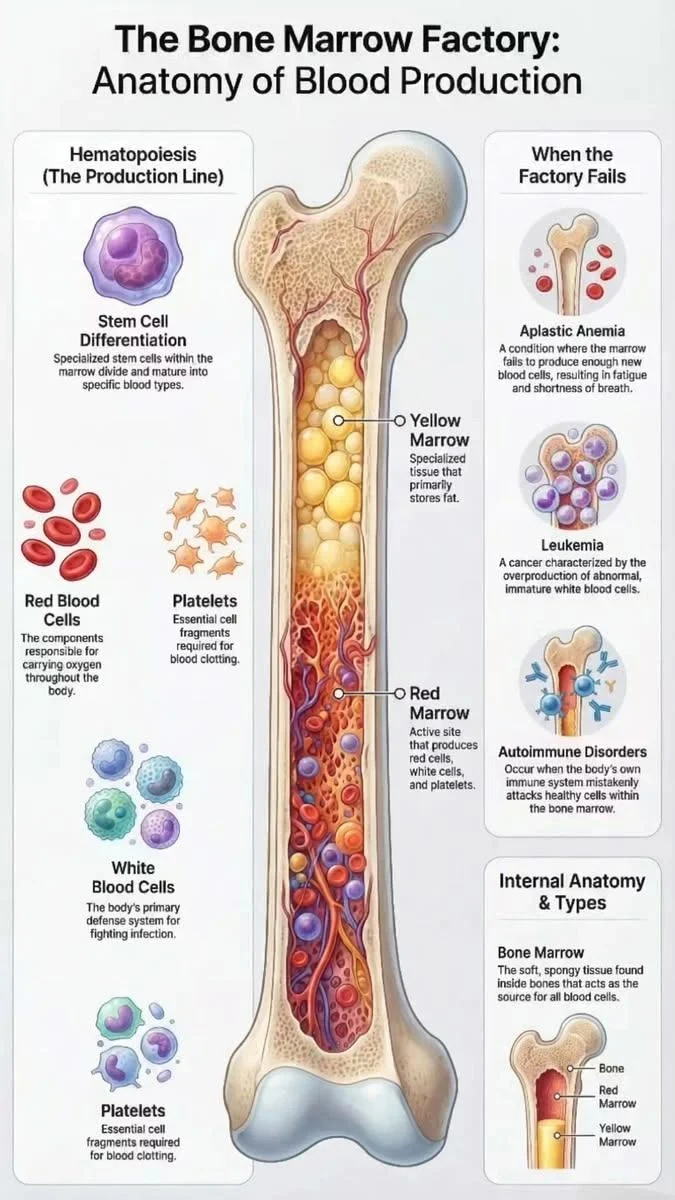
In adults, active red bone marrow is mainly found in the pelvis, vertebrae, ribs, sternum, skull, and the proximal ends of the femur and humerus.
- There are two major types:
- Red marrow; actively produces blood cells.
- Yellow marrow; contains more adipose tissue and serves primarily as an energy reserve. Under severe demand, some yellow marrow can become more haematopoietically active.
- Specialized Cells
At the centre of bone marrow is the haematopoietic stem cell (HSC). This remarkable cell can self-renew and produce the different blood-cell lineages.
HSCs differentiate into two major pathways:
Myeloid lineage
Gives rise to red blood cells, platelets, neutrophils, eosinophils, basophils, monocytes, and related cells.
Lymphoid lineage
Gives rise to B lymphocytes, T lymphocyte precursors, and natural killer (NK) cells.
This continuous process is called haematopoiesis.
- What Marrow Produces
- Red blood cells (erythrocytes) transport oxygen using haemoglobin.
- Megakaryocytes produce platelets, which are essential for blood clotting.
- Neutrophils, eosinophils and basophils provide different forms of innate immune defence.
- Monocytes enter tissues and can develop into macrophages and other antigen-presenting cells.
- B lymphocytes mature in the bone marrow and can later become antibody-producing plasma cells.
- The marrow also contains stromal cells, fibroblasts, macrophages, endothelial cells, adipocytes and extracellular matrix, creating a specialized microenvironment called the bone-marrow niche.
- Bone marrow doesn’t simply manufacture immune cells, it helps develop and regulate them.
B cells undergo important stages of development and selection within the marrow. Meanwhile, T-cell precursors leave the marrow and travel to the thymus, where they mature.
Hormones and growth factors such as erythropoietin, thrombopoietin, and colony-stimulating factors regulate blood-cell production according to the body’s needs.
For example, when tissues becomes oxygen-deprived, the kidneys increase erythropoietin, stimulating the marrow to produce more red blood cells.
- Clinical Significance
Leukaemia, aplastic anaemia, myelodysplastic syndromes, multiple myeloma, and marrow infiltration by cancer can disrupt normal blood-cell production.
A bone marrow aspiration or biopsy can therefore provide crucial information.”
Stay updated with Hemostasis Today.
-
Oct 17, 2026, 02:36Archil Jaliashvili: Oxygen Transport in Capillaries
-
Oct 17, 2026, 02:35Carly Newton: Understanding Access to Red Blood Cell Exchange for People Living With SCD
-
Oct 17, 2026, 02:34Raising Awareness of Blood Clots During and After Pregnancy – Thrombosis UK
-
Oct 17, 2026, 02:33Alaa Salamat: Our Research Accepted for Publication at ASH 2026
-
Oct 17, 2026, 02:32Mohammed Al Sharif: Discussing Factor XIII Testing and Its Clinical Significance
-
Oct 17, 2026, 02:31Joanna Popiolek-Kalisz: Talking about Novel Pharmacotherapy for Hypertension at CV Prevention and Intervention
-
Oct 17, 2026, 02:00How Antiphospholipid Syndrome Can Affect the Adrenal Glands – APS Foundation of America
-
Oct 17, 2026, 01:59Liza-Marie Johnson: How Far Should Clinicians Go to Influence Parents’ Decisions?
-
Oct 17, 2026, 01:54Jim Hoffman: The Importance of Self-Advocacy and Understanding Autoimmune Mechanisms