


Santhosh Kumar Naidu: Garlic Activation and the Science of Allicin
Santhosh Kumar Naidu, Founder of Research Institue of Bharat (RIB), shared a post on LinkedIn:
“Swallowing garlic whole is money wasted
Swallowing a whole clove of garlic is, for your body, like trying to read a book without even opening the cover. You’re wasting nature’s most powerful antibiotic simply out of impatience and a lack of technique.
Most people make the mistake of chopping the garlic and immediately throwing it into the hot pan, or worse, swallowing it like a pill.
In both cases, the result is the same: zero therapeutic benefits and indigestion.
The medicinal properties of garlic aren’t ‘inside’ the garlic itself, but rather are created at the exact moment it feels attacked.
It’s a brilliant defense system that the plant developed to survive, and one that we can take advantage of if we know how to activate it.
Inside each clove of garlic live two components separated by a thin wall: an enzyme called alliinase and a compound called alliin.
As longas the garlic remains intact, these two never meet, and the magic doesn’t happen.
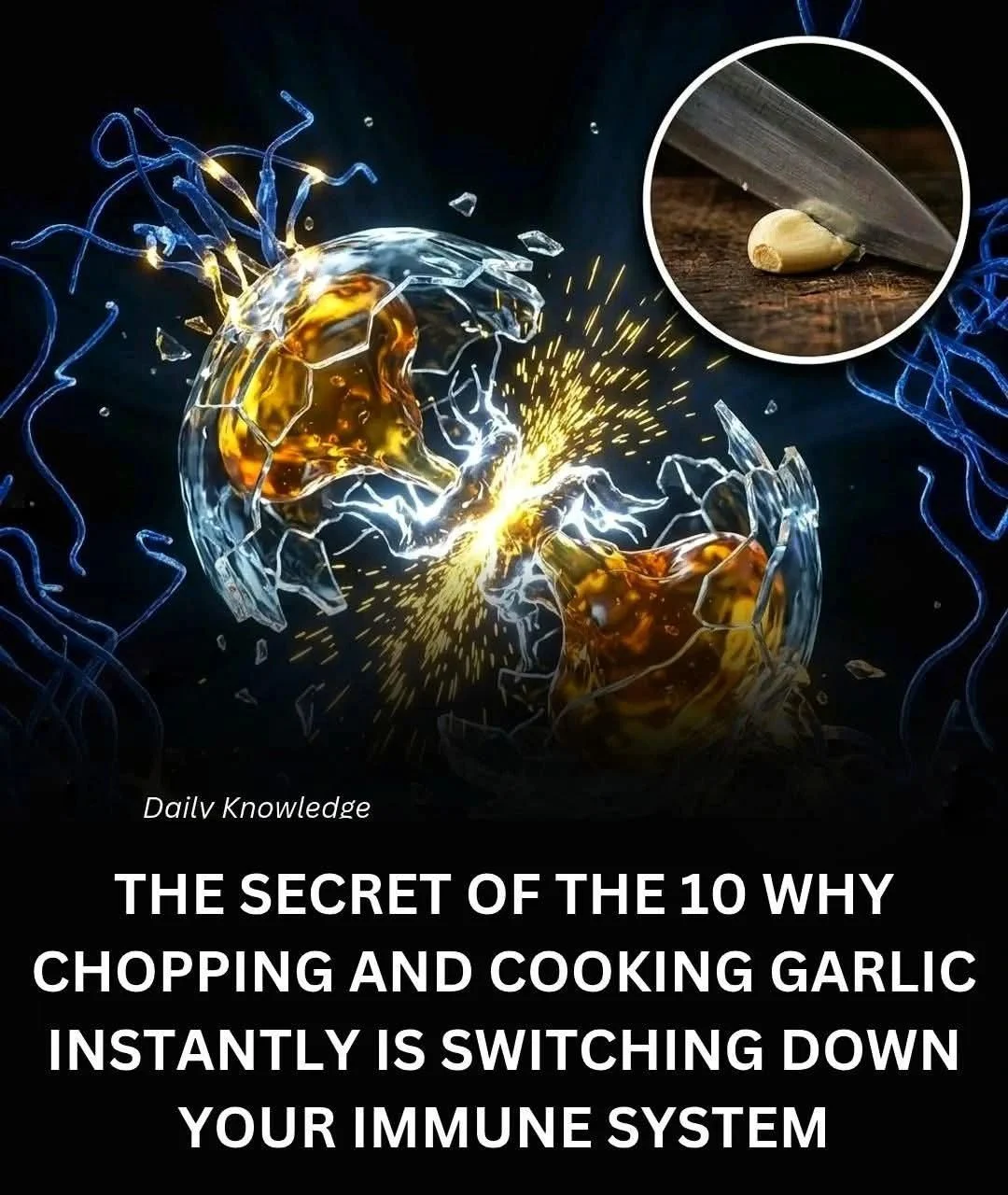
When you crush, grind, or finely chop garlic, you break down its cell walls. It’s in this collision, this chaotic encounter, that allicin is born – the key molecule that gives garlic its pungent aroma and healing power.
But here’s the secret almost no one tells you: allicin is extremely shy and delicate. Once you crush the garlic, you need to give it exactly 10 minutes before it touches the heat or reaches your stomach.
Those 10 minutes are the time the enzyme needs to complete its work and stabilize the allicin.
If you cook the garlic immediately, the heat destroys the enzyme before it can produce the medicine. It’s like turning off the oven before the bread has risen.
Once activated, allicin enters your bloodstream like an elite cleaning crew.
It has been found to be able to modify up to 332 different proteins in our bodies through a process called S-thioallylation.
Imagine these proteins as switches that were rusty or turned off. Allicin arrives and ‘oils’ them, allowing your metabolism and immune system to function with a fluidity you haven’t felt in years.
In your arteries, allicin activates sensors called TRPA1.
By doing so, it sends a relaxation signal to the muscles surrounding your blood vessels, allowing blood to flow with less resistance and more freedom.
It’s a feeling of relief your heart appreciates with every beat. It’s not just nutrition; it’s a profound chemical conversation between an ancient plant and your cells, which have evolved together for centuries.
Science tells us that allicin has a half-life of only 30 to 60 minutes in aqueous solutions. This means that garlic isn’t something you can prepare today to use tomorrow; it’s a ‘ here and now’ medicine.
If you’re looking for garlic supplements, be careful.
Many have an allicin bioequivalence of only 5 percent.
Nothing beats the ritual of crushing your own garlic in the kitchen and waiting for those sacred minutes of activation.
Those 10 minutes of waiting aren’t wasted time.”
Stay updated with Hemostasis Today.
-
Sep 30, 2026, 01:52Javed Anees: DADA2 – When a Young Stroke Is More Than a Stroke
-
Sep 30, 2026, 01:51How a Venous Thrombus Becomes Revascularized – ISTH
-
Sep 29, 2026, 22:45Victor Agunyego: Paracetamol – The Most Common Drug We Underestimate
-
Sep 29, 2026, 22:42Nova Sinclair: Advancing the Future of Hematology – Meet Our 2027 Organizing Committee
-
Sep 29, 2026, 22:41Lorenz Räber: Intracoronary Imaging in PCI – Why, When, How, and Which Modality?
-
Sep 29, 2026, 22:31Selma Turkovic: Pleased to Deliver the Opening Presentation at Kingston Hospital
-
Sep 29, 2026, 22:31Miguel Teran: Ultrasound and Simulation in Arterial Blood Sampling
-
Sep 29, 2026, 22:28Mohammad Refaei: Navigating Your Career in Hematology From Training to Practice
-
Sep 29, 2026, 22:27Matteo Foschi: 10 Clinical Pearls for Antithrombotic Therapy in Secondary Stroke Prevention