

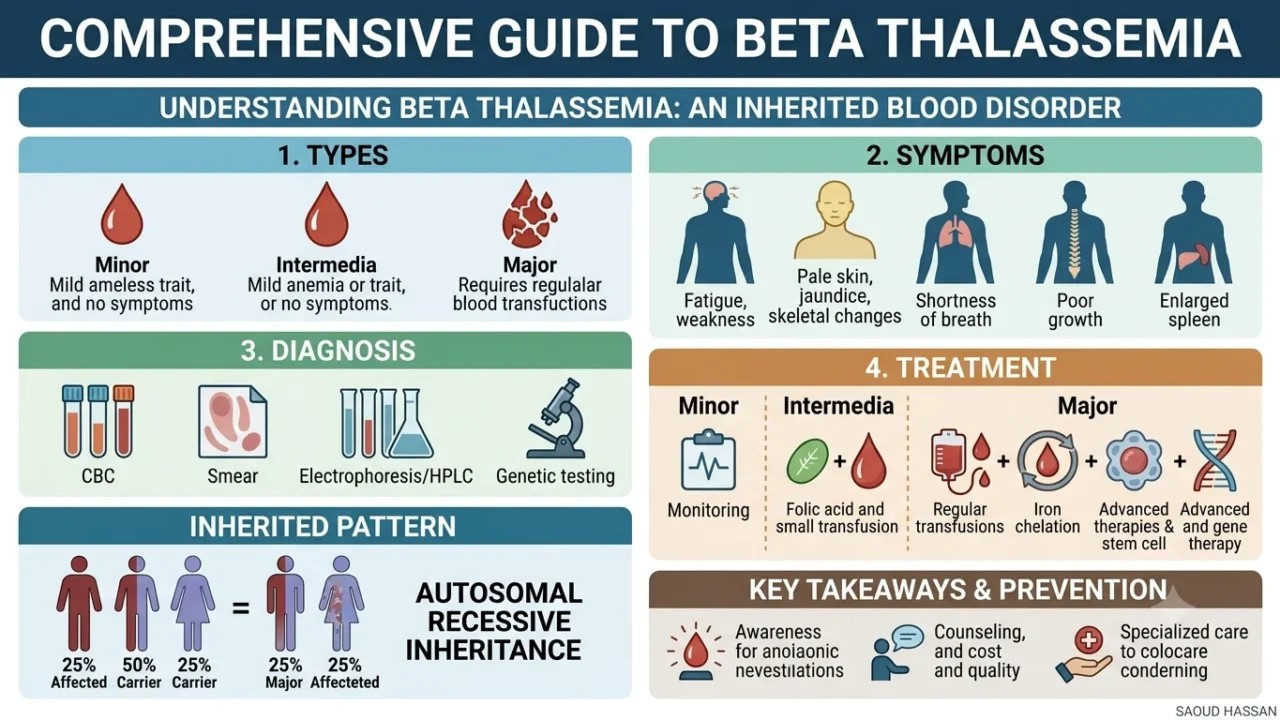
Saoud Hassan: A Comprehensive Guide to Beta Thalassemia
Saoud Hassan, Medical Laboratory Technologist at Excel Labs (Pvt) Ltd, shared a post on LinkedIn:
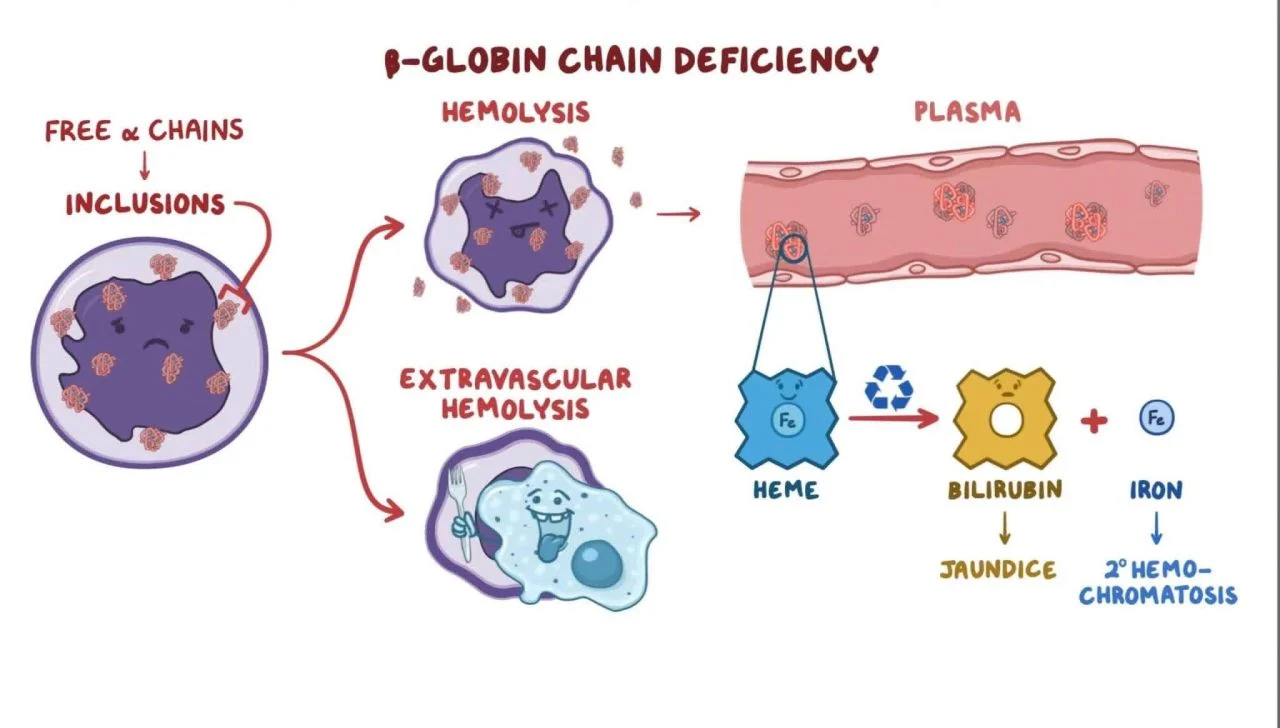
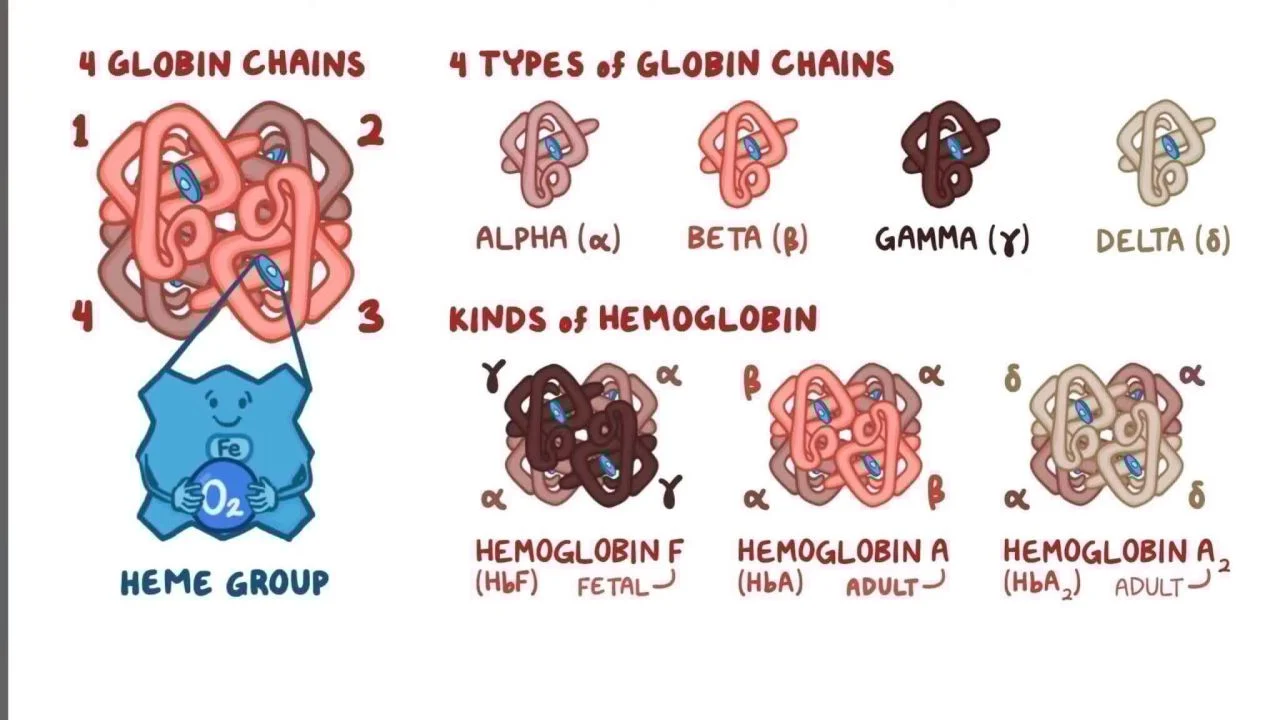
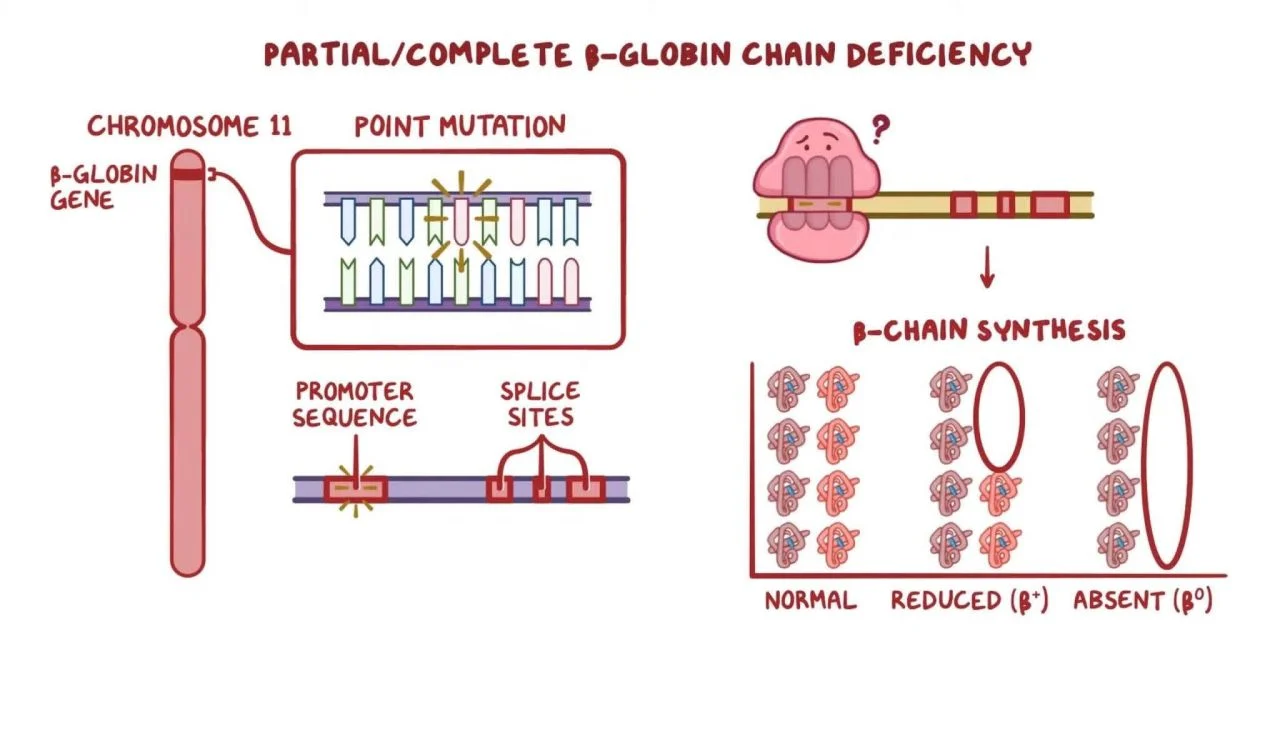
“Beta thalassemia is an inherited blood disorder in which the body produces reduced or no beta-globin, a key component of hemoglobin (the protein in red blood cells that carries oxygen).
This leads to anemia of varying severity.
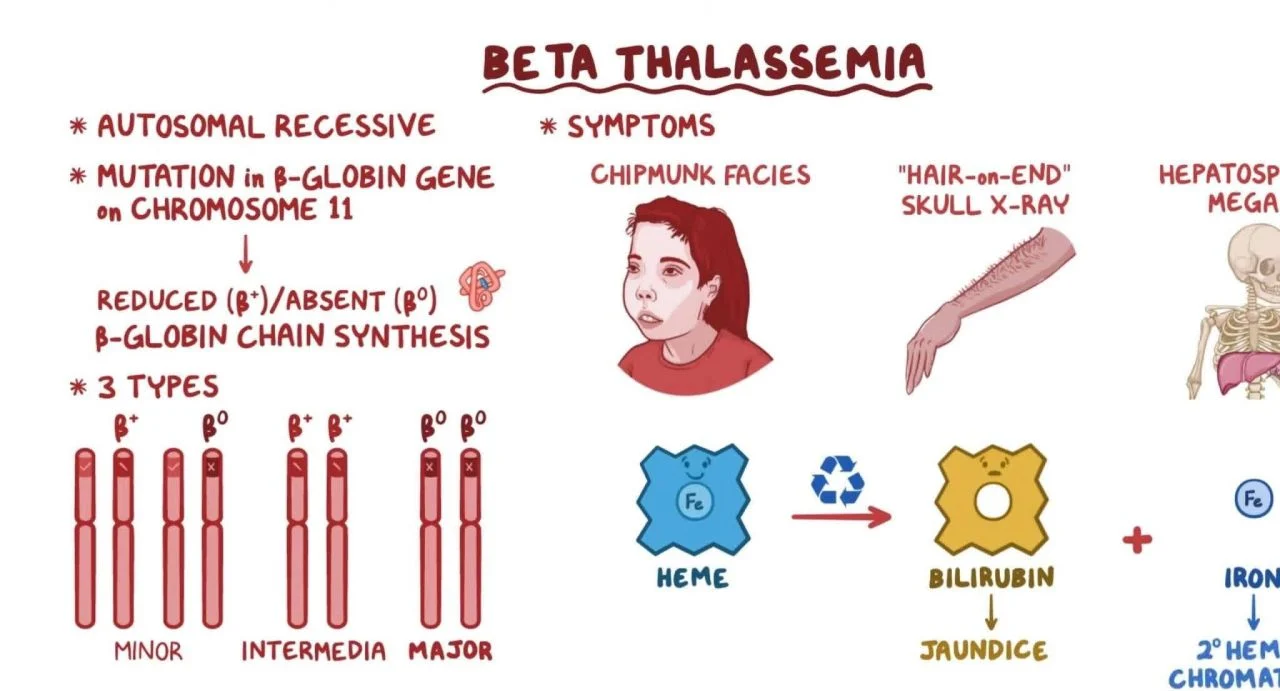
Types of beta thalassemia
Beta thalassemia trait (minor)
- One abnormal beta-globin gene is inherited.
- Usually causes mild anemia or no symptoms.
- Most people live normal, healthy lives without treatment.
Beta thalassemia intermedia
- Symptoms are moderate.
- May require occasional blood transfusions.
Beta thalassemia major (Cooley anemia)
- Two severely affected beta-globin genes are inherited.
Symptoms usually begin within the first 2 years of life.
Requires regular blood transfusions and ongoing medical care.
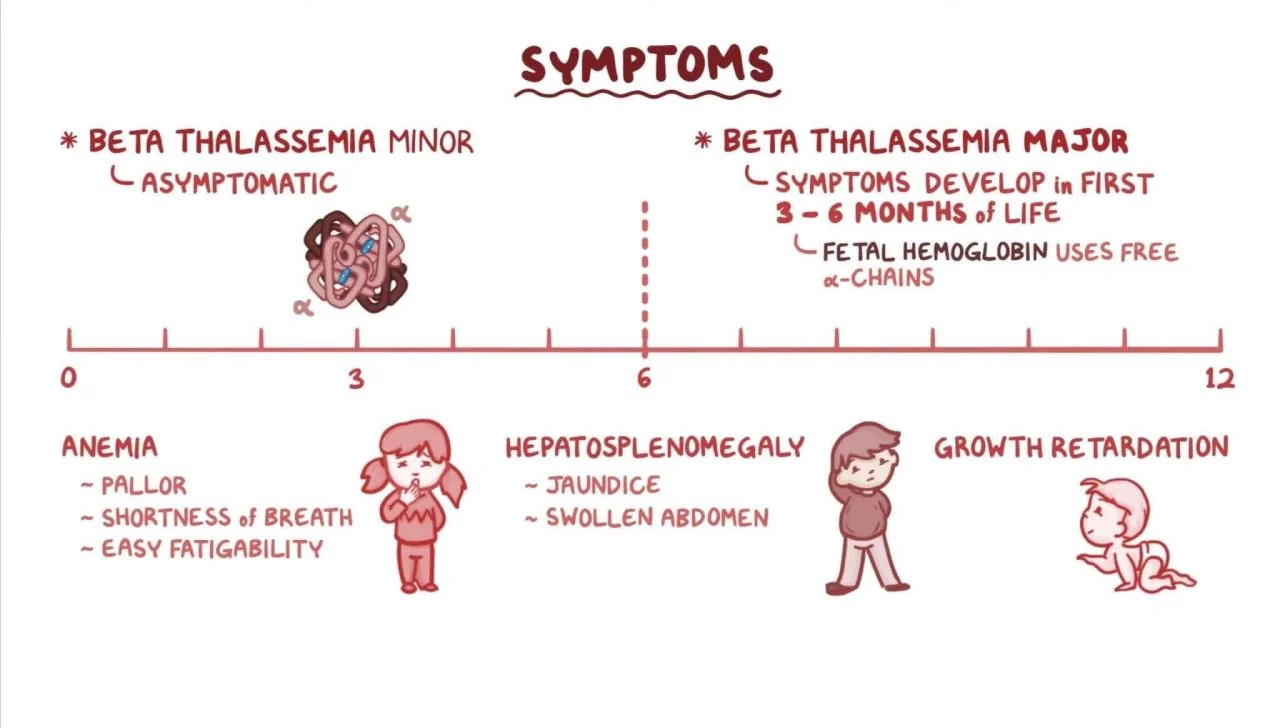
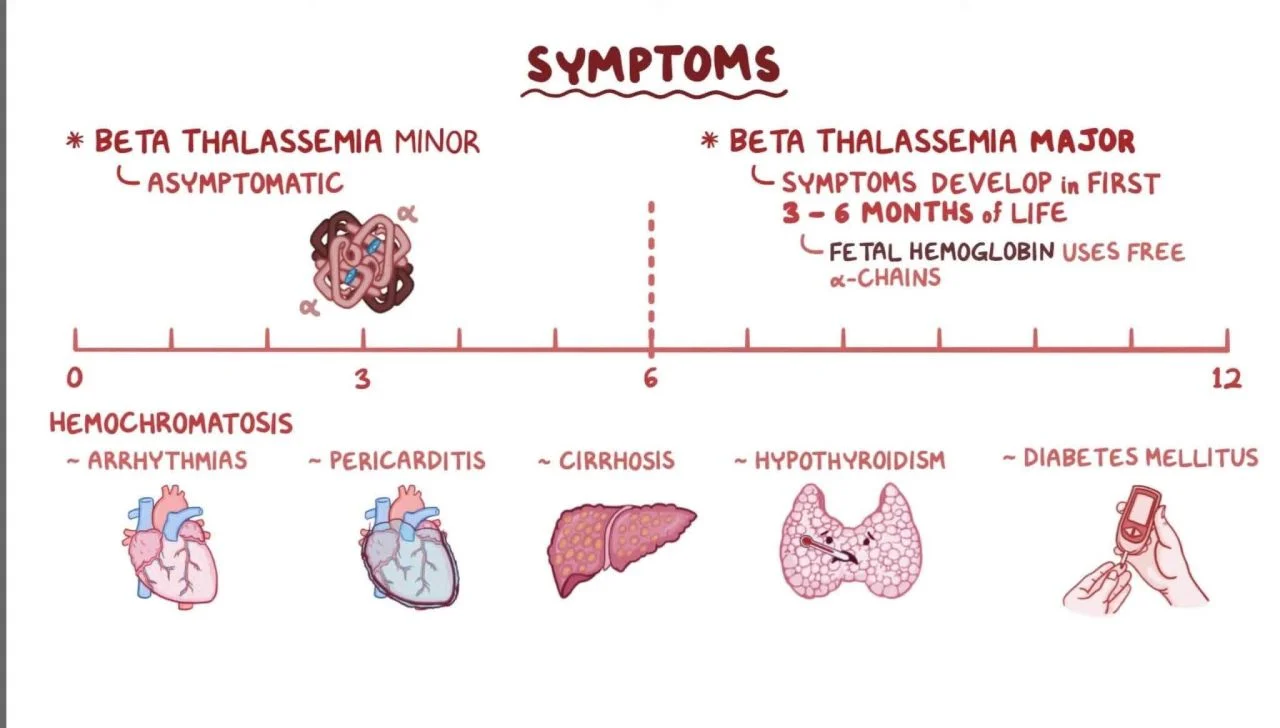
Symptoms
- Fatigue and weakness
- Pale skin
- Shortness of breath
- Poor growth (in children)
- Enlarged spleen
- Bone changes, especially in the face and skull (in severe cases)
- Yellowing of the skin or eyes (jaundice)
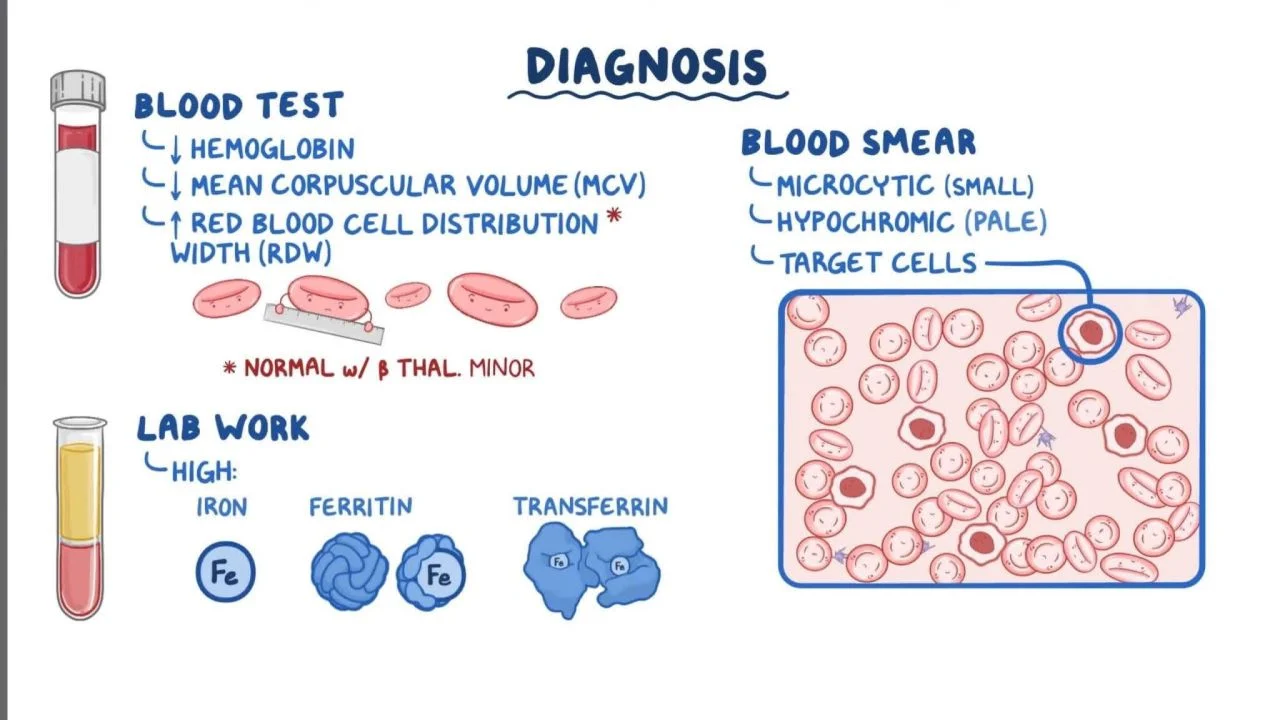
Diagnosis
- Complete blood count (CBC)
- Peripheral blood smear
- Hemoglobin electrophoresis or HPLC
- Genetic testing to identify mutations
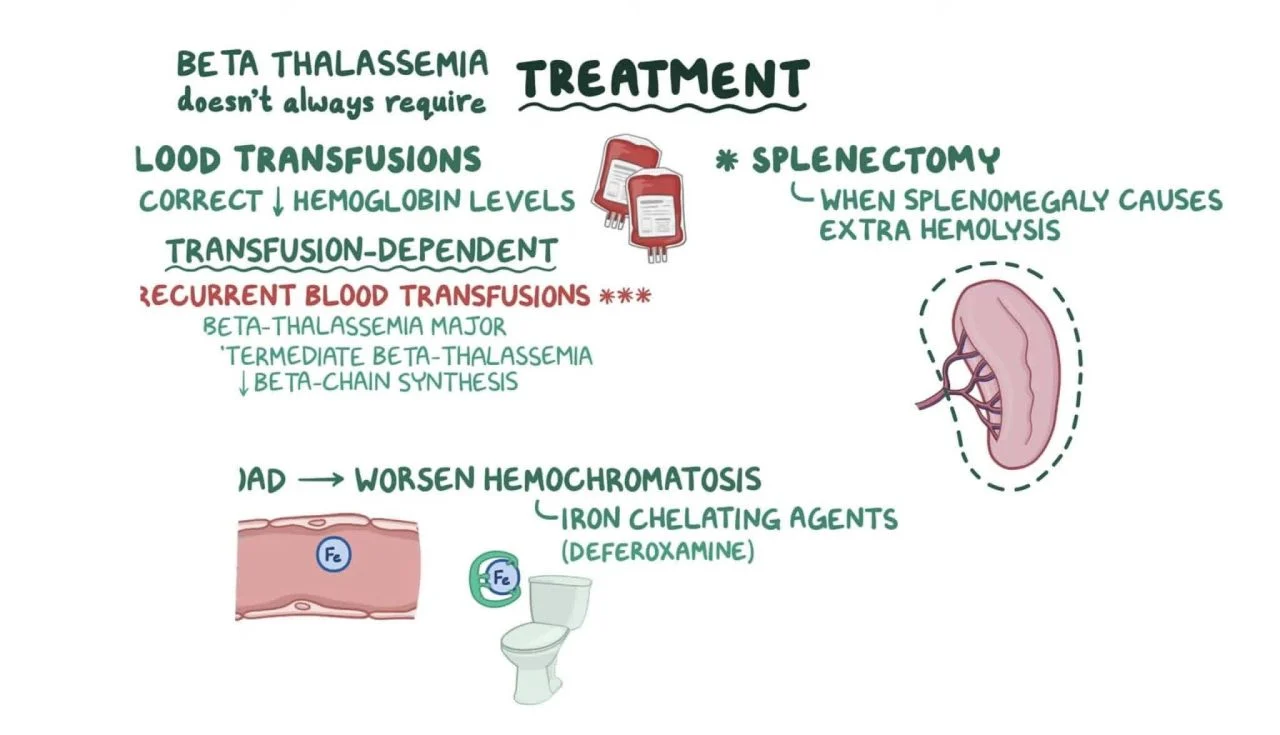
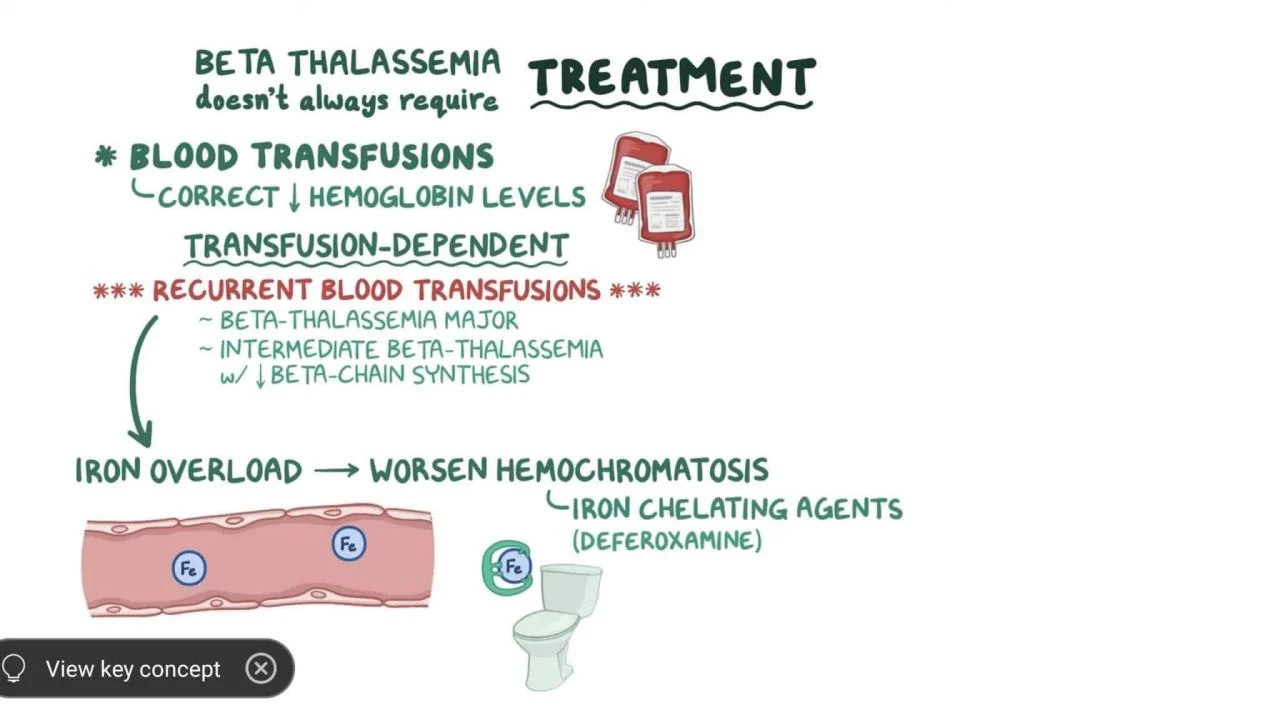
Treatment
Treatment depends on severity:
- Minor: Usually no treatment; avoid taking iron supplements unless iron deficiency is confirmed.
- Intermedia: Folic acid, monitoring, and occasional transfusions if needed.
- Major: Regular blood transfusions. Iron chelation therapy to remove excess iron from transfusions
Folic acid supplementation if appropriate.
Hematopoietic stem cell transplantation may offer a cure in selected patients.
Some patients may also be eligible for newer gene-based therapies in specialized centers.
Is it inherited?
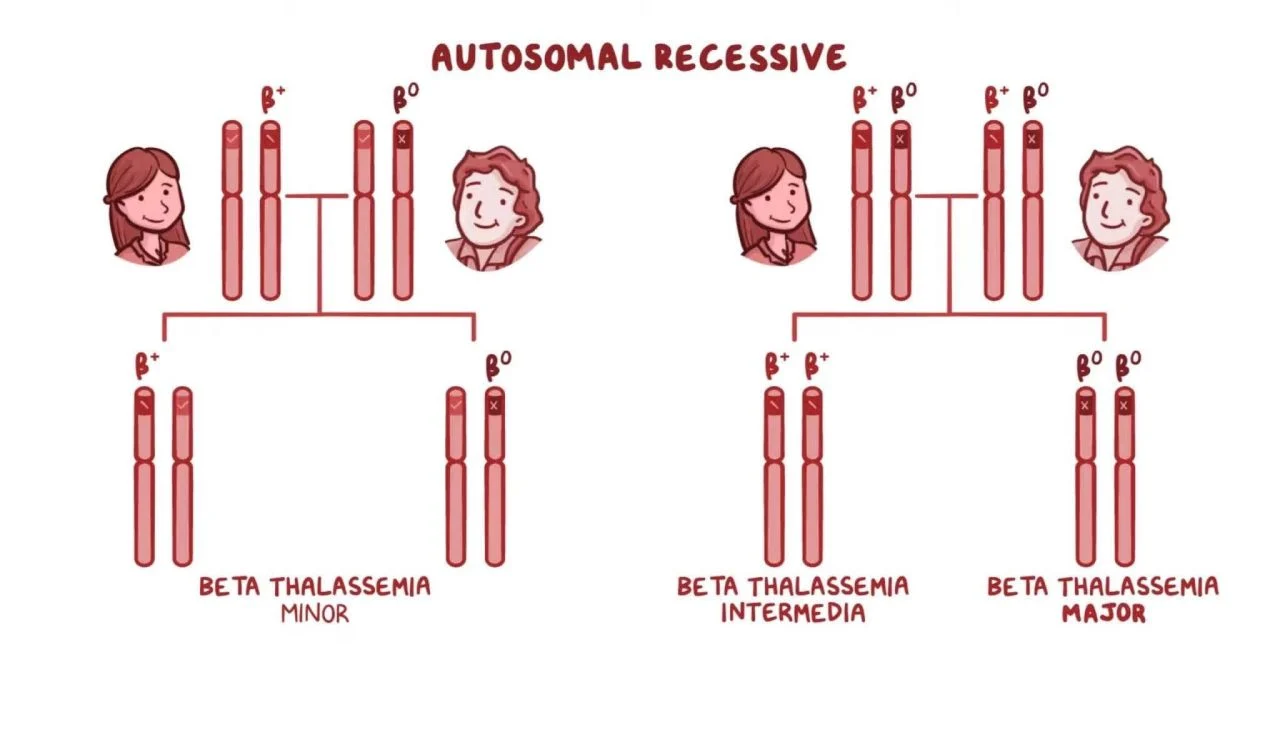
Yes. Beta thalassemia is inherited in an autosomal recessive pattern:
If both parents are carriers, each pregnancy has:
- 25 percent chance of a child with beta thalassemia major.
- 50 percent chance of a child who is a carrier (thalassemia trait).
- 25 percent chance of a child without.”
Stay updated with Hemostasis Today.
-
Sep 19, 2026, 14:17Abdul Mannan: What Exactly Is a Platelet?
-
Sep 19, 2026, 13:39Keisuke Goda: Decoding Platelet Phenotypes in COVID-19 With Optofluidic Imaging
-
Sep 19, 2026, 13:30Targeted Thrombolysis Beyond tPA
-
Sep 19, 2026, 13:21Paul Armstrong: From Summer Studentship to Young Researcher
-
Sep 19, 2026, 13:06Rabiya Masood: Breaking the Cycle of Thalassemia Through Screening
-
Sep 19, 2026, 10:52Consuela A. Albright: The Critical Role of Black Blood Donors in Sickle Cell Treatment
-
Sep 19, 2026, 10:47Amber Yates: Inside Agios’ Partnership with the Sickle Cell Community
-
Sep 19, 2026, 10:46Anton Farkas: Mechanical Thrombectomy for Acute PE in Early Pregnancy
-
Sep 19, 2026, 10:40Marjolein Smidt: ASH Raises Ferritin Thresholds for Iron Deficiency