

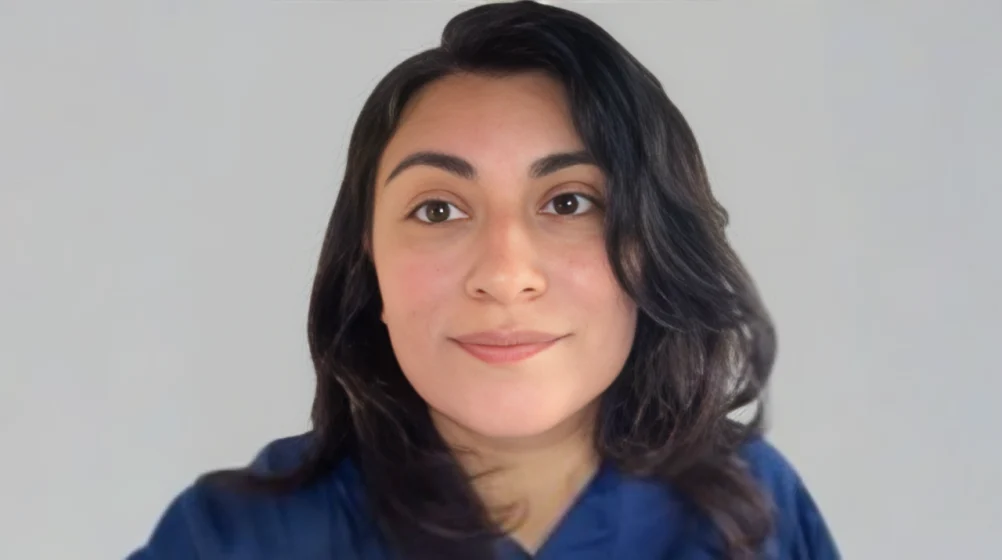
Stephanie Diez de Sollano: Recognition and Management of Ehlers-Danlos Syndrome
Stephanie Diez de Sollano, Health Care Professional at Stanford Health Care, shared a post on LinkedIn.
Ehlers-Danlos Syndrome (EDS) is a group of rare, inherited connective tissue disorders that affect the body’s ability to produce collagen, leading to hypermobility, skin fragility, and a range of debilitating symptoms.
This condition, often undiagnosed or misdiagnosed, significantly impacts the lives of those affected.
Individuals with EDS experience joint hypermobility, chronic pain, skin that bruises easily, fatigue, and in severe cases, life-threatening complications.
The spectrum of EDS subtypes includes classical, hypermobile, vascular, and others, each with distinct features and severity.
The challenges of EDS extend beyond the physical.
Mental health struggles, including anxiety and depression, often accompany the chronic pain and uncertainty of the condition.
The lack of awareness and understanding in society further complicates the daily lives of those with EDS, as the condition is often misunderstood or overlooked.”
Stay updated with Hemostasis Today.
-
Oct 16, 2026, 12:49Wolfgang Miesbach: 5-Year CBDR Data Confirms Emicizumab Safety and Efficacy in Hemophilia A
-
Oct 16, 2026, 12:40Edward Lee Carter: How Factor XI Inhibition Could Transform Anticoagulation Therapy
-
Oct 16, 2026, 12:40Marc Carrier: Looking Ahead to ISTH 2027 in Vancouver
-
Oct 16, 2026, 12:30Bob Lempke: How One Blood Donation Can Save Up to Three Lives
-
Oct 16, 2026, 12:30Why VWF Therapies Belong on the EU Critical Medicines List – EHC
-
Oct 16, 2026, 12:17Exploring Endothelial Cells, Genetic Fate Mapping, and Revascularization – ISTH
-
Oct 16, 2026, 10:07Habib Bennaceur: Building a Stronger Care Pathway for Sickle Cell Disease in India
-
Oct 16, 2026, 09:59Tareq Abadl: A Simple Guide to Blood Collection Tubes
-
Oct 16, 2026, 09:50Mona Alfaraj: Distinguishing HCL from SMZL in Bone Marrow