

Tagreed Alkaltham։ Blood Is a Naturally Integrated and Adaptive Physiological System
Tagreed Alkaltham, Transfusion Medicine Lab Supervisor at KSMC, shared a post on LinkedIn:
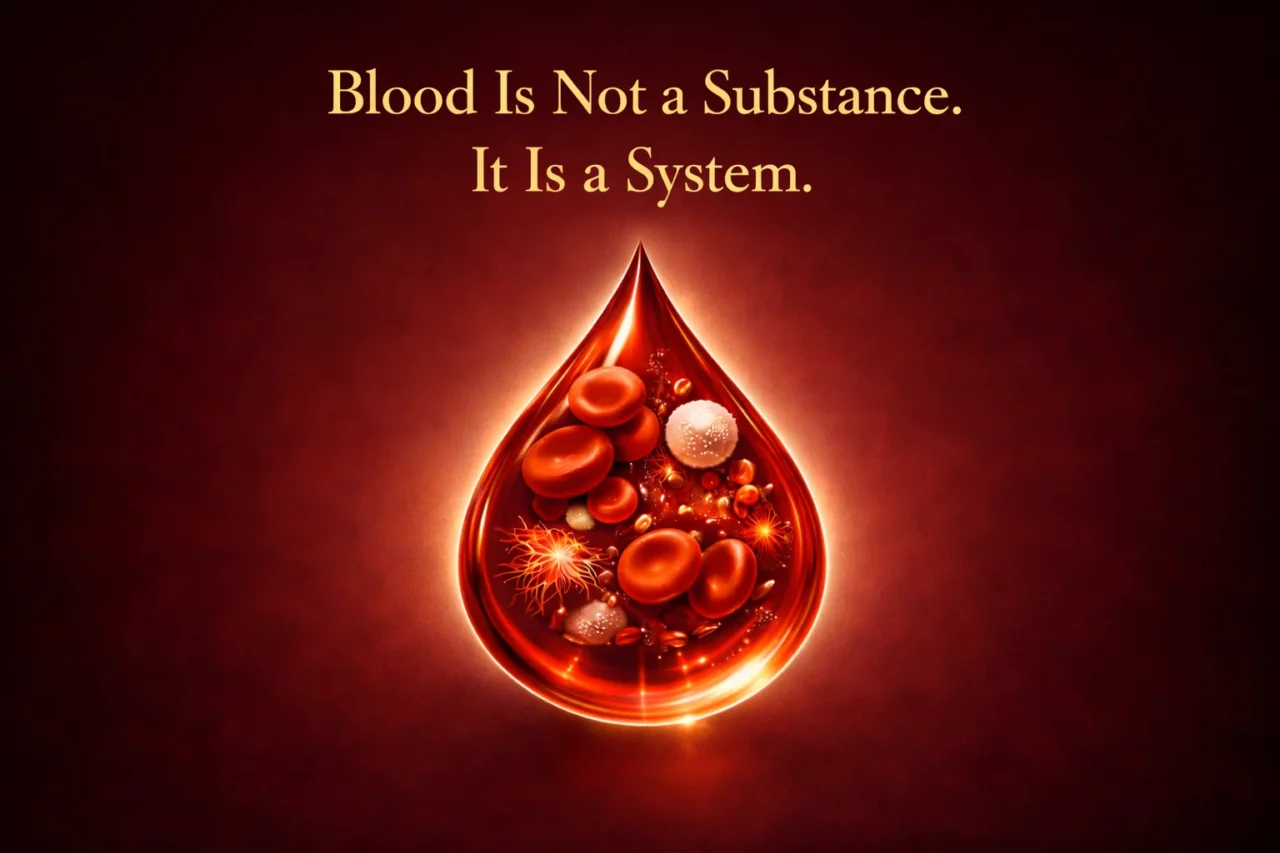
”Blood Is Not a Substance. It Is a System.
This is a reflective perspective on blood not simply as a component of therapy, but as a naturally integrated physiological system.
In medicine, innovation continues to expand the ways we support patients:
- Science advances.
- Therapies evolve.
- New approaches emerge to assist specific physiological needs.
Yet when we look at blood more closely, we recognize something deeper:
- Blood is not a single component.
- It is not merely hemoglobin.
- It is not only volume or clotting factors.
Blood is an integrated biological system:
- Red blood cells restore oxygen carrying capacity.
- Plasma maintains coagulation balance and protein regulation.
- Platelets respond instantly to vascular injury.
- Cryoprecipitate supports fibrin formation and structural clot stability.
Each component plays a distinct role but their true strength lies in coordination.
Beyond individual functions, human blood is biologically adaptive:
- It senses hypoxia.
- It adjusts oxygen release.
- It interacts with immune and coagulation pathways.
- It maintains equilibrium in a constantly changing internal environment.
This dynamic integration is what makes blood uniquely powerful.
Modern medicine offers many ways to support specific functions.
These advances are valuable and continue to improve patient care.
Yet human blood remains a naturally coordinated biological whole responsive, adaptive, and physiologically intelligent.
At its core, blood represents an orchestrated balance where structure, function, and response coexist.
Seen as a whole, blood is a naturally integrated physiological system responsive by design.”
Other posts featuring Tagreed Alkaltham on Hemostasis Today.
-
Oct 10, 2026, 17:58Archo Farzana Batool: Exploring Medical Writing Through an Article on Iron Deficiency Anemia
-
Oct 10, 2026, 17:53Assessing Frailty in Adults With Hemophilia – JTH
-
Oct 10, 2026, 17:52Fatma Sadeghi: Reducing Maternal Health Inequalities Through Nursing Advocacy
-
Oct 10, 2026, 17:50Grzegorz Hensler: How Apheresis Transformed Blood Cell Separation and Collection
-
Oct 10, 2026, 17:47Hemant K Sharma: Japan’s Universal Artificial Blood Research – A Potential Breakthrough in Transfusion Medicine
-
Oct 10, 2026, 17:40John Strouse: Learning About Bleeding Disorders and Sickle Cell Disease at FWGBD
-
Oct 10, 2026, 17:34Mae Caime: Speaking at the Annual Women’s Retreat for the Hemophilia Community in Florida
-
Oct 10, 2026, 17:30Chokri Ben Lamine: PNH beyond the Textbook Triad
-
Oct 10, 2026, 17:29Ruah Alyamany: Thrombosis and Anticoagulation in Hematological Malignancies at SOHO KSA 2026