

Wolfgang Miesbach: An Important Topic on How Care for Bleeding Disorders Can Be Organized Across Europe at EAHAD 2026
Wolfgang Miesbach, Professor of Medicine at Frankfurt University Hospital, shared a post on LinkedIn:
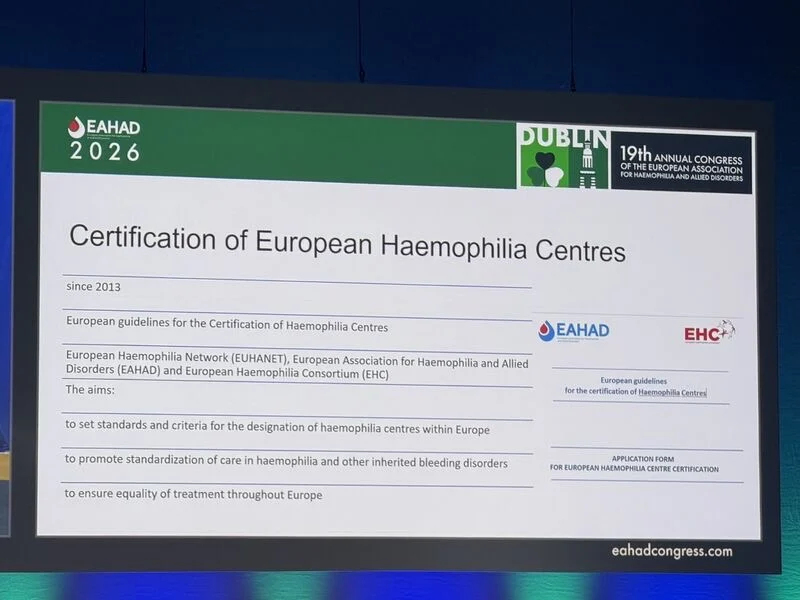
”In Dublin at EAHAD2026, an important topic was not a new drug – but how care for people with bleeding disorders can be organized across Europe.
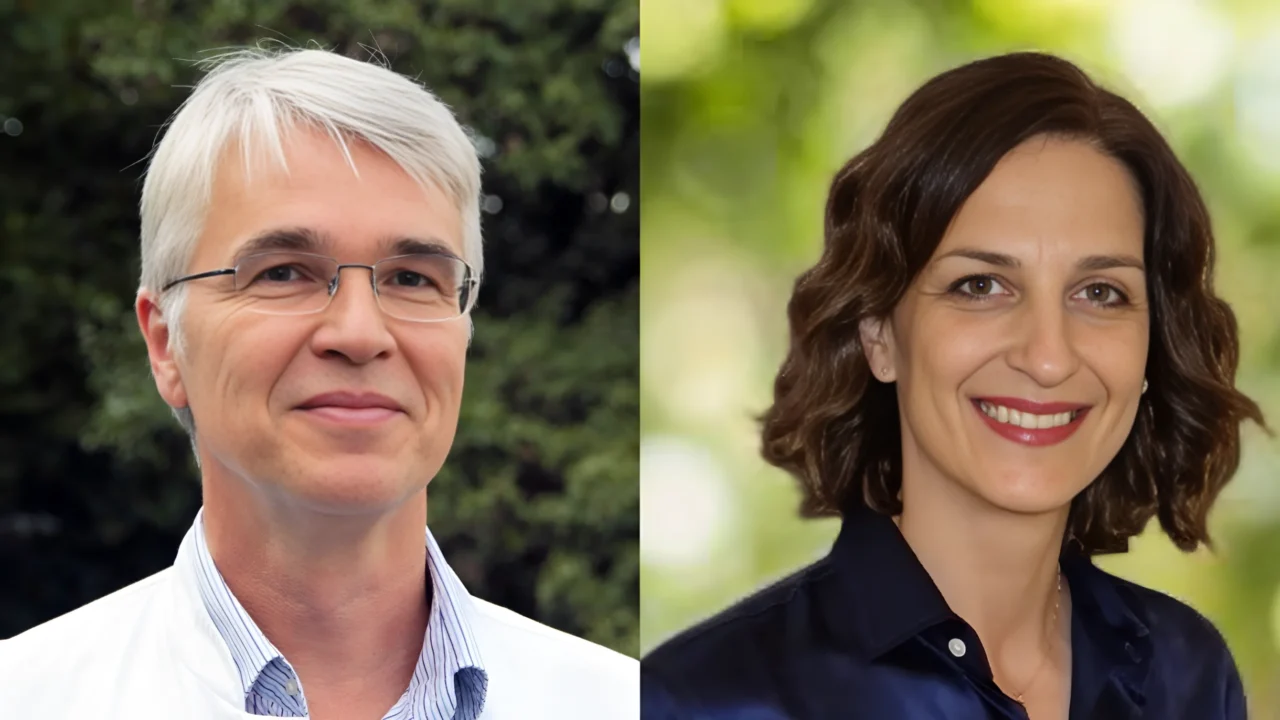
The EAHAD–EHC accreditation model for European Haemophilia Centres lead by Ana Boban and Fariba Baghaei evolving to:
- Reflect novel therapies and gene therapy within updated centre
- Define clear roles for Comprehensive Care Centres (EHCCC) and Treating Centres (EHTC) in a hub‑and‑spoke
- Introduce structured on‑site and online audits as a permanent part of the accreditation processe
A pilot audit project across several centres tested the feasibility of combining remote and on‑site assessments and showed that audits can be used as a quality‑improvement tool, not just a regulatory exercise.
For patients and families, the EHCCC/EHTC designation means a minimum guaranteed level of multidisciplinary expertise, laboratory support and 24/7 emergency access, wherever they live.”
More from EAHAD 2026 featured in Hemostasis Today.
-
Oct 9, 2026, 16:23David Boone: Distinguishing Stroke Prevention from Rhythm Control in Atrial Fibrillation
-
Oct 9, 2026, 15:27Mohamed Hegazi: Geostatistical Modelling Maps Global β-Thalassaemia Carrier Prevalence
-
Oct 9, 2026, 15:15Maha Othman: Uncovering the Consensus on TXA in TBI – Call for Collaboration on a Landmark Umbrella Review
-
Oct 9, 2026, 15:07Daniel D. Han: How Inhalation Product Exposure Impairs Cardiac and Platelet Recovery After MI
-
Oct 9, 2026, 14:58William Toole: How Ultrasound-Guided PRP Therapy Relieves Joint and Tendon Pain
-
Oct 9, 2026, 14:50Shayan Mohammadmoradi: In Corpus Christi for the 20th Midwest Platelet Conference
-
Oct 9, 2026, 14:37Tariq Tramboo: High Platelet Concentrate for Osteoarthritis Knee – Recent Meta-Analyses
-
Oct 9, 2026, 14:26Yousma Khan: Hematology Series – Beyond RBCs, WBCs and Platelets
-
Oct 9, 2026, 14:13Jesus Ardila Novoa: Why the WHO’s Historic Essential Medicines List Decision Is Just the Beginning