

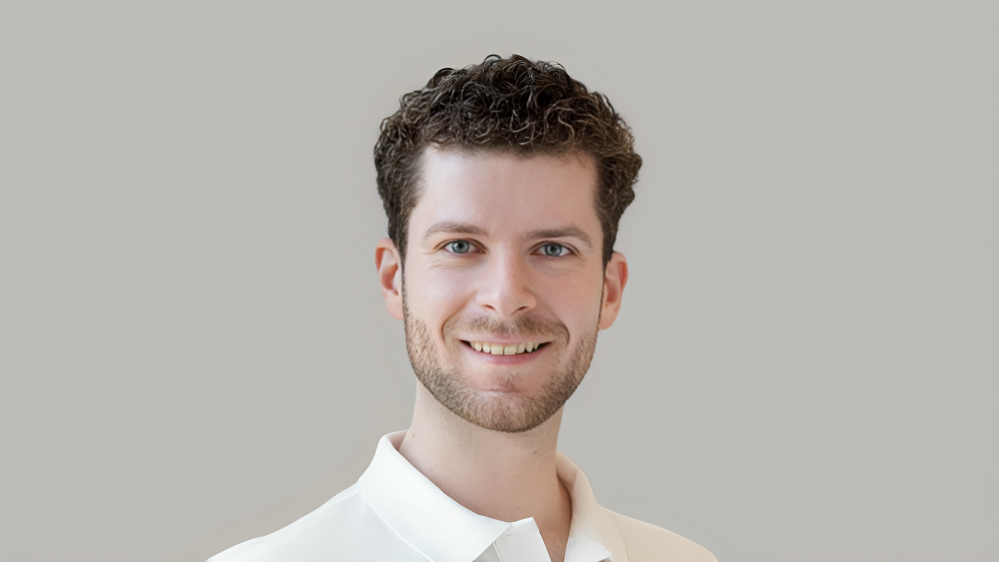
Lukas Gaats: Researchers Are Building Reproductive Organoids
Lukas Gaats, Co-Founder and CEO of Mo:re, shared a post on LinkedIn:
”Lab mice don’t menstruate.
Their placentas develop differently from women’s placentas.
These facts, along with a historical lack of funding for women’s health research, have left basic questions in women’s health unanswered.
That’s starting to change.
I found this interesting article in Nature that highlights how researchers are now building organoids that mimic key elements of the human reproductive system: from the placenta and uterine lining to ovarian tissue.
These models interact, respond to hormones, and recreate essential cellular behaviors.
More predictive models mean better ways to study disease mechanisms, test therapies, and design interventions.
For me, this is one of the most exciting frontiers in NAMs, modeling what cannot be replicated in animals.
But I cannot help thinking about how necessary standardization and automation are, so these systems can move from academic labs to regulatory-grade applications.
We have taken significant steps, NAMs are a reality, but the next challenge is clear.
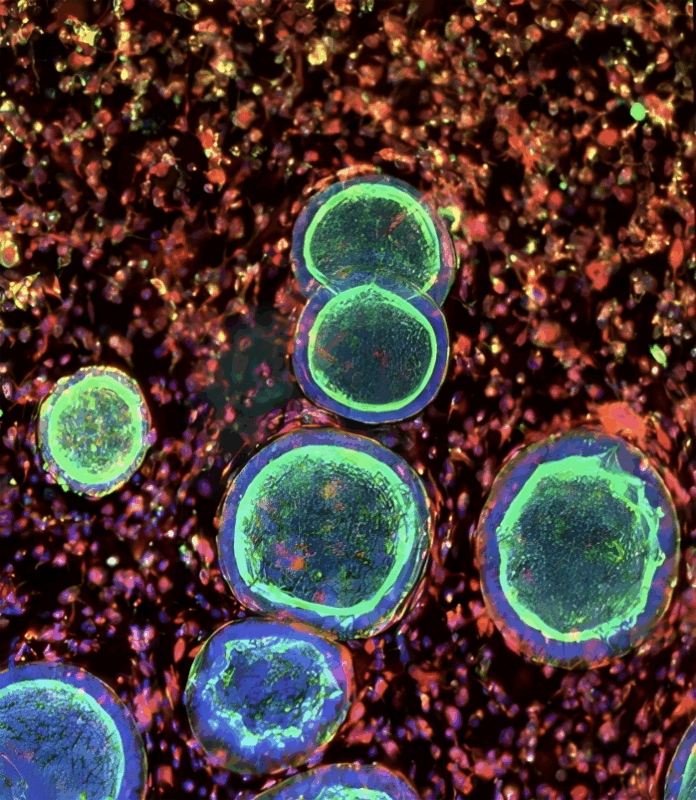
Cell clusters that resemble the uterine lining grow with support cells in a synthetic hydrogel. Credit: Juan Gnecco, Linda G. Griffith.”
Article: The mini placentas and ovaries revealing the basics of women’s health
Authors: Cassandra Willyard
Read the full article here.
Stay updated with Hemostasis Today.
-
Oct 9, 2026, 23:59Ana Pedrero Gil: Is Coagulopathy with Fibrinolysis Present in All Obstetric Hemorrhages?
-
Oct 9, 2026, 23:57Exploring the Psychosocial Needs of People with Bleeding Disorders in Kyrgyzstan – EAHAD
-
Oct 9, 2026, 23:53Bernard Slater Jr.: Serving on the Advisory Council for the NBDF West Virginia Chapter
-
Oct 9, 2026, 23:53Aurelio Maggio: Thalassemia Reports Real-Time Impact Factor Rises to 1.760
-
Oct 9, 2026, 23:52Stronger Connections, Stronger Organizations – World Federation of Hemophilia
-
Oct 9, 2026, 23:46Samuel Misiani Mbunya: Advancing Sickle Cell Care Through Collaboration at the 21st ASCAT Conference
-
Oct 9, 2026, 23:42Hadeel Swed: My First First-Author Publication in Thrombosis Research
-
Oct 9, 2026, 23:38Micheal Avoseh: Exploring Nanoparticle-Based Therapies for Thrombosis and Vascular Inflammation
-
Oct 9, 2026, 16:23David Boone: Distinguishing Stroke Prevention from Rhythm Control in Atrial Fibrillation