

Alejandro González Veliz։ Does ACC/AHA Lesion Complexity Still Matter?
Alejandro González Veliz, Interventional Cardiologist at Institute of Cardiology and Cardiovascular Surgery, shared a post on LinkedIn about a recent article by Maayan Konigstein et al., published in JACC, adding:
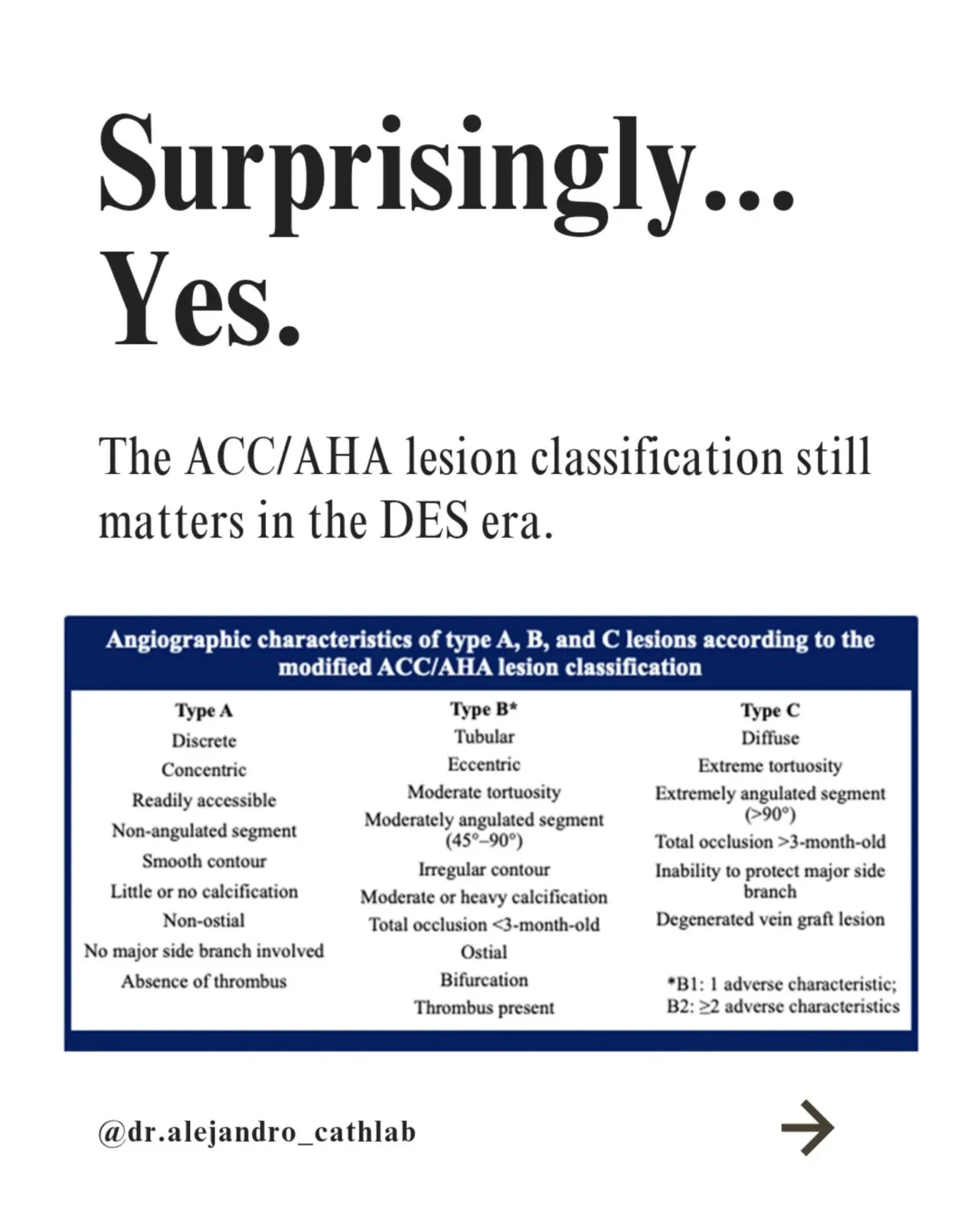
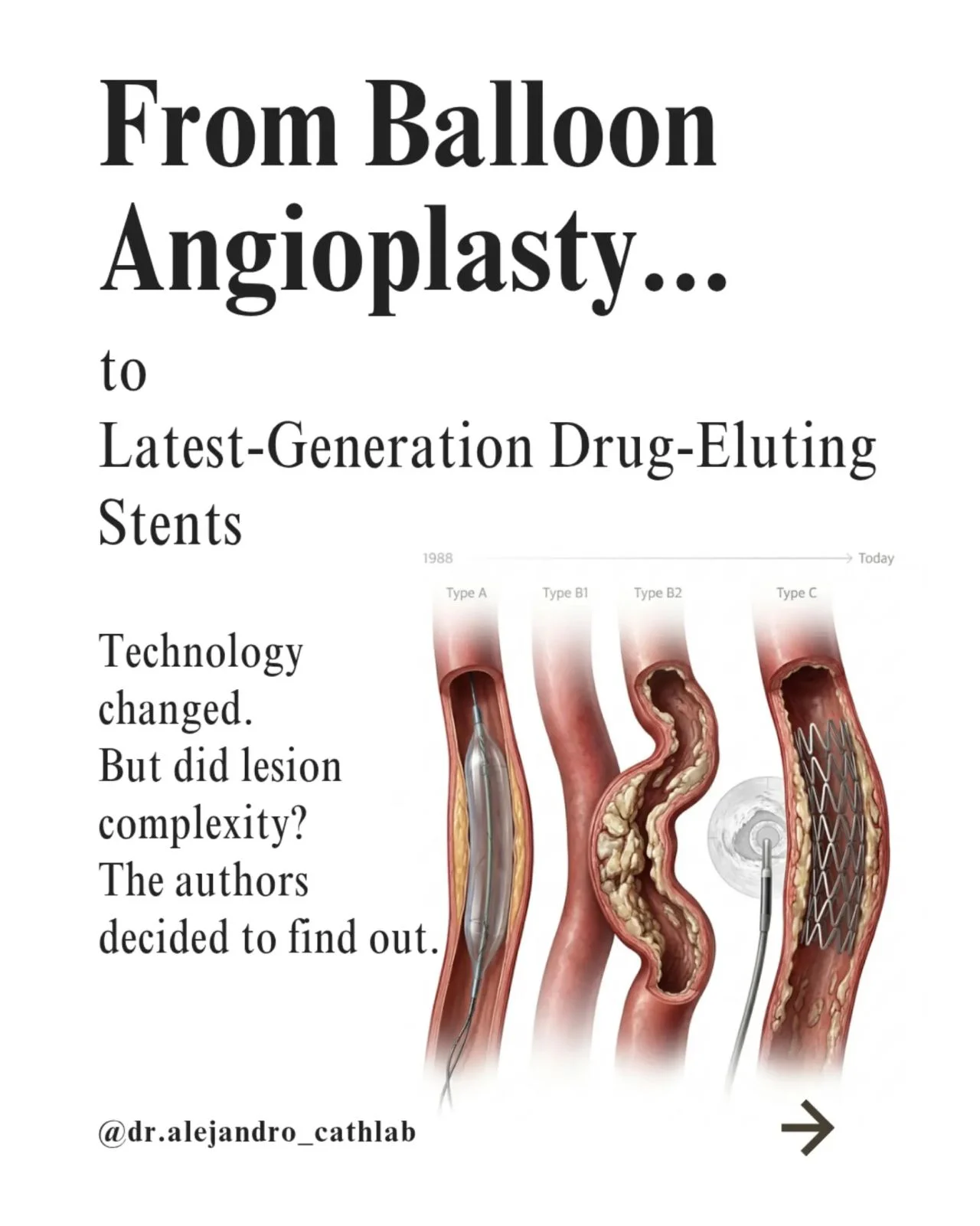
”More than three decades have passed since the ACC/AHA lesion classification was introduced during the era of balloon angioplasty.
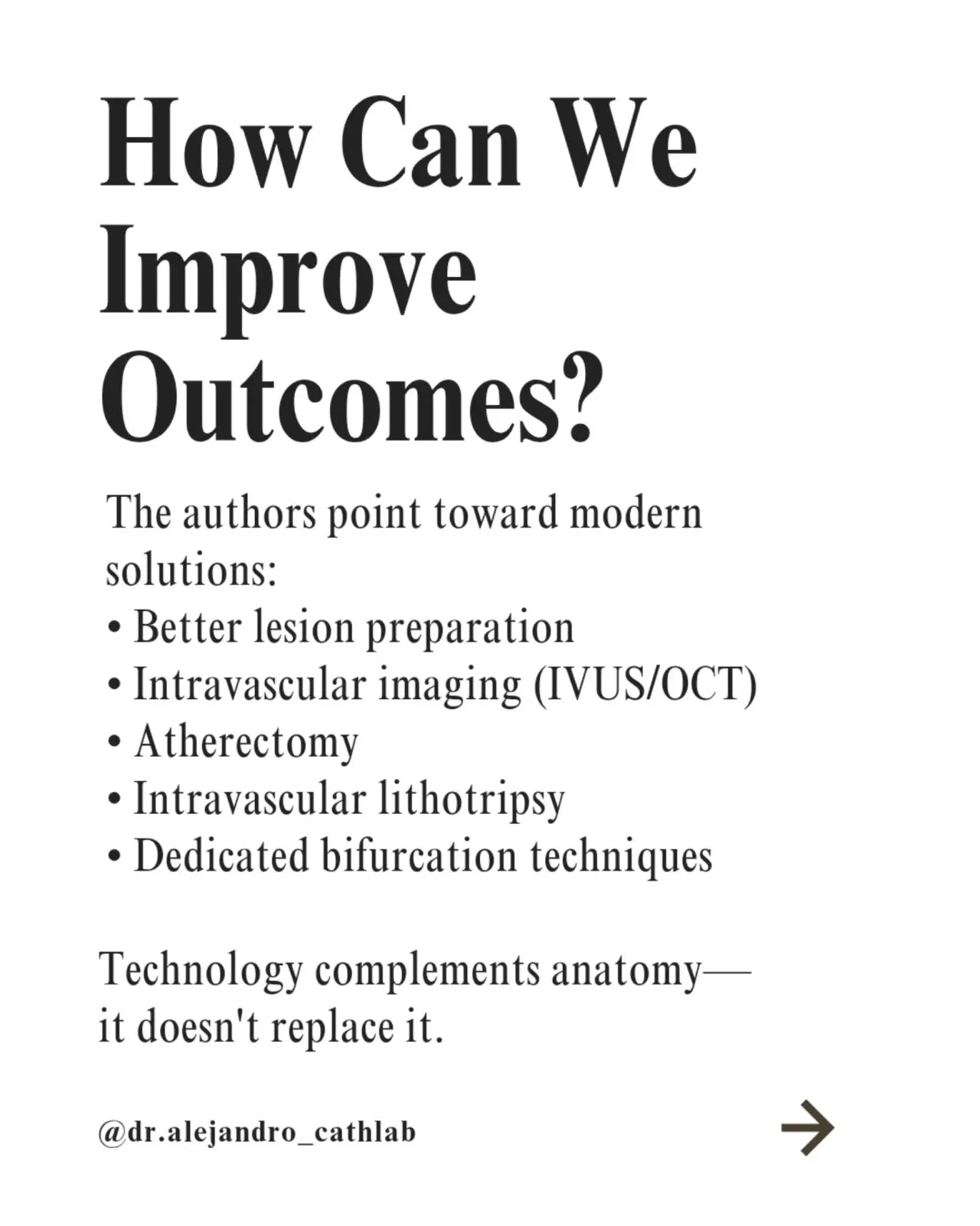
Since then, interventional cardiology has undergone a remarkable transformation. Second-generation drug-eluting stents, intravascular imaging, physiologic assessment, atherectomy, and intravascular lithotripsy have fundamentally changed the way we perform PCI.
But one important question remained:
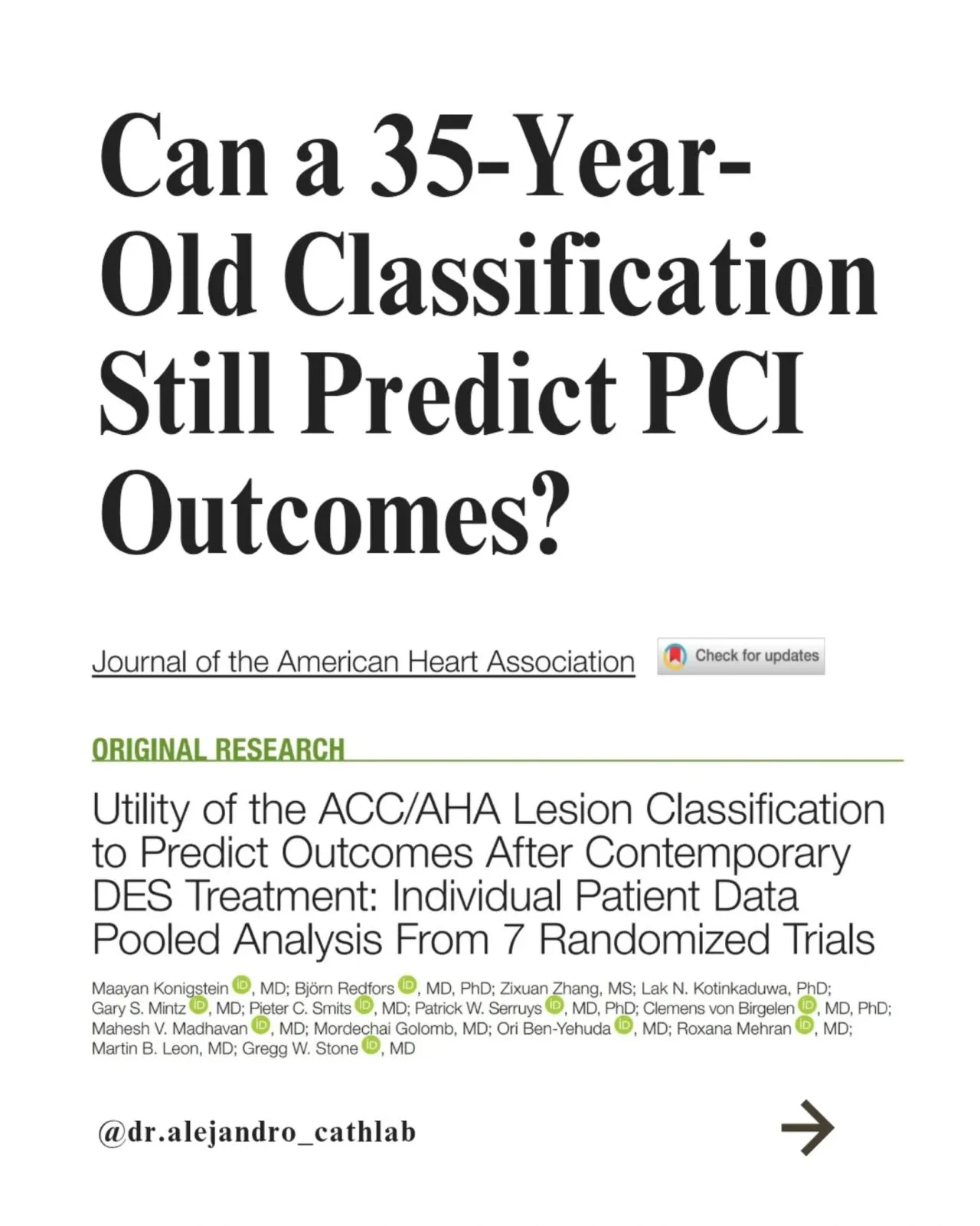
Does lesion complexity still matter in the modern DES era?
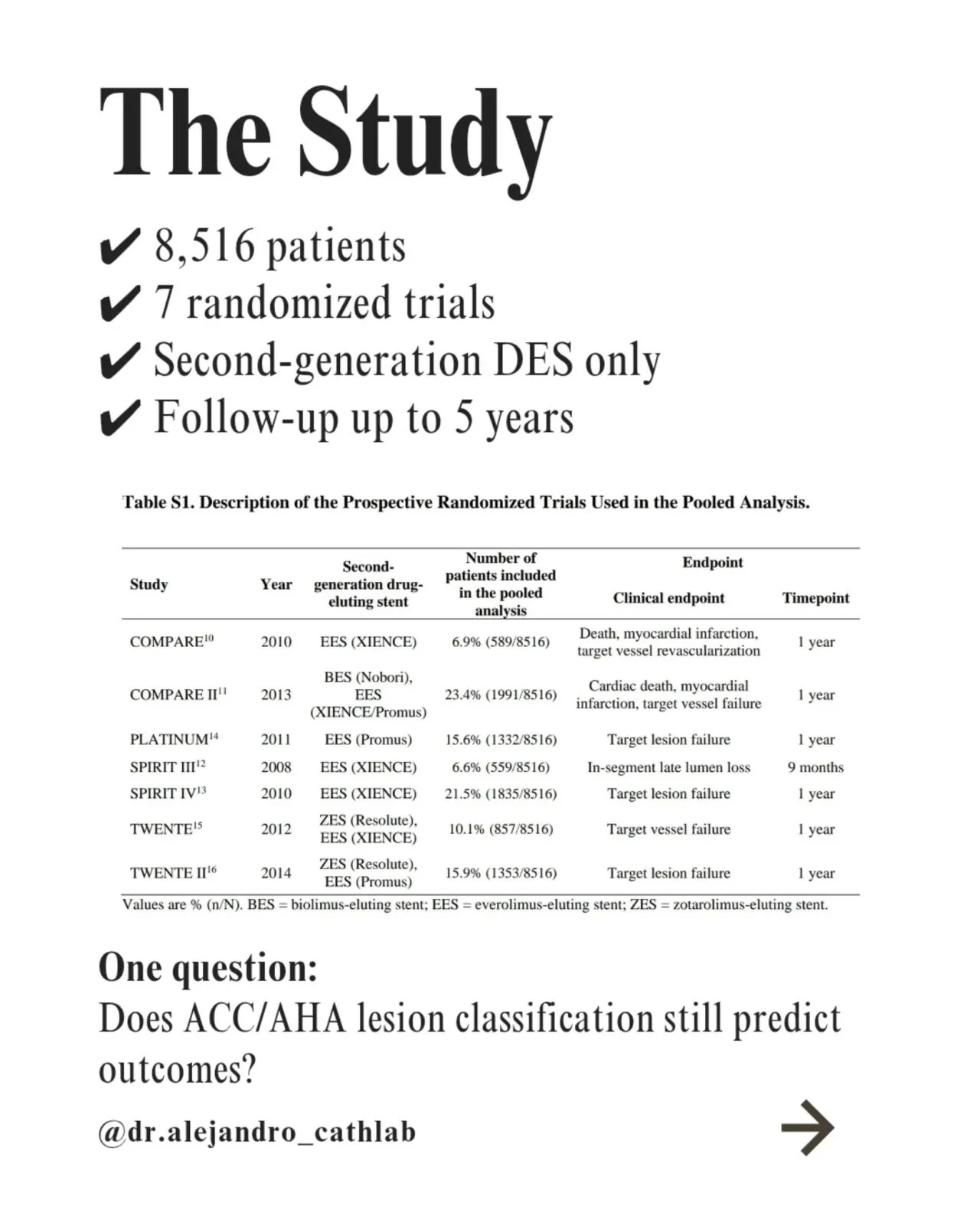
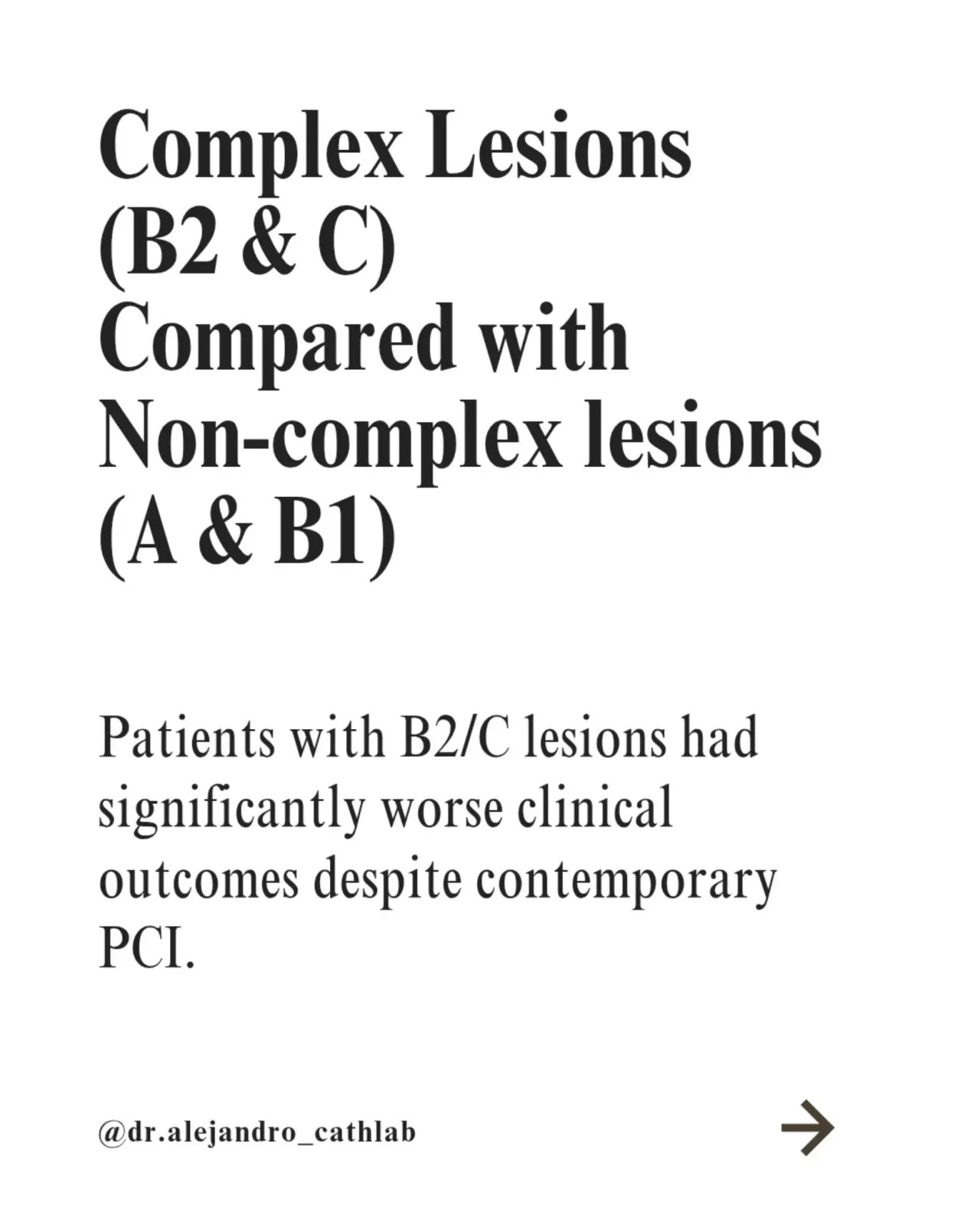
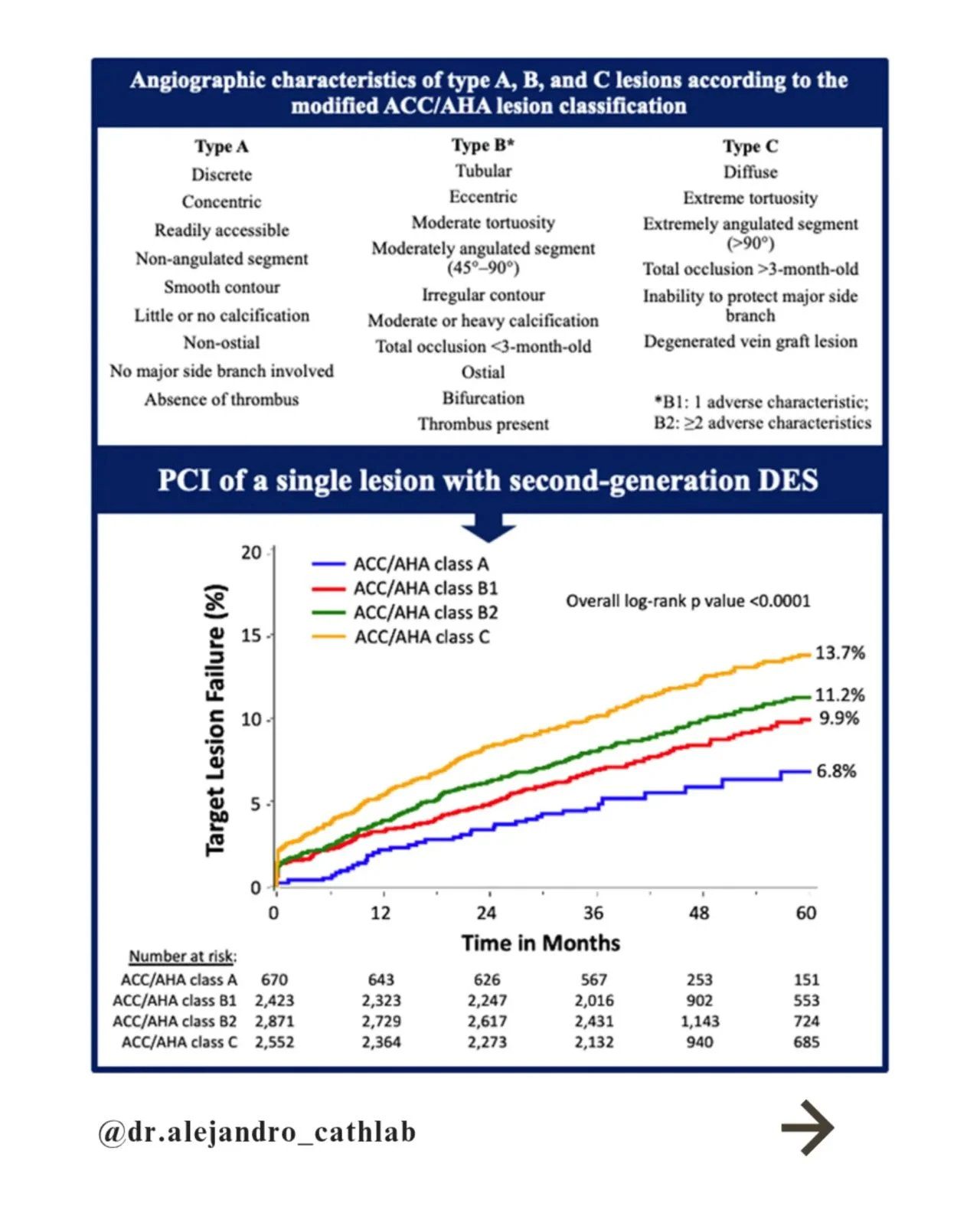
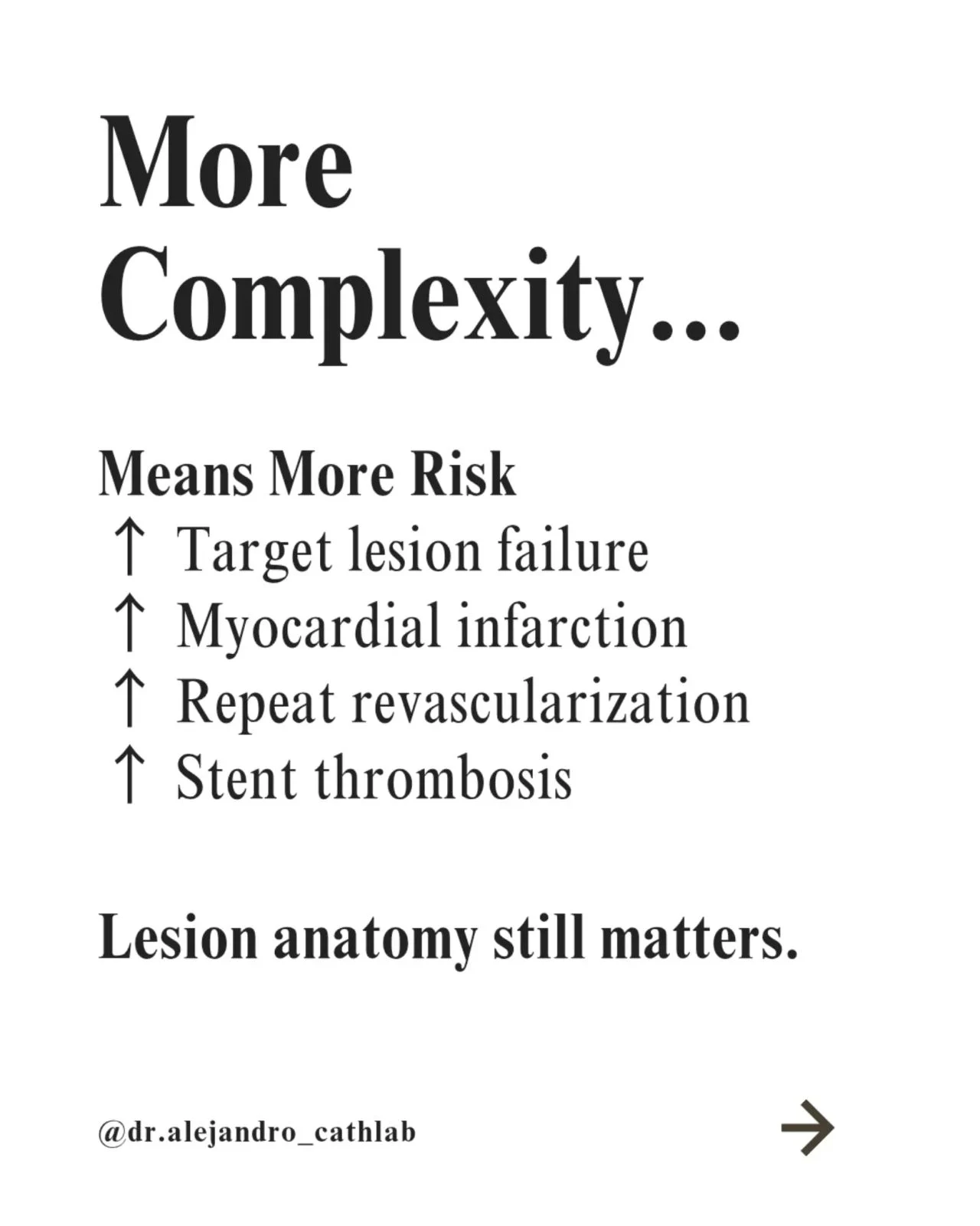
This large pooled analysis of 8,516 patients from 7 randomized clinical trials provides a clear answer: yes. Patients with complex ACC/AHA Class B2 and C lesions continued to experience higher rates of target lesion failure, myocardial infarction, repeat revascularization, and stent thrombosis, even after treatment with contemporary second-generation drug-eluting stents.
The message is both simple and powerful:
Technology has evolved.
Coronary anatomy has not.
No matter how advanced our devices become, understanding lesion complexity remains one of the cornerstones of successful PCI.
Sometimes, the oldest concepts are the ones that stand the test of time.
Do you still use the ACC/AHA lesion classification in your daily practice, or have other complexity scores replaced it in your decision-making?”
Title: Utility of the ACC/AHA Lesion Classification to Predict Outcomes After Contemporary DES Treatment: Individual Patient Data Pooled Analysis From 7 Randomized Trials
Authors: Maayan Konigstein, Björn Redfors, Zixuan Zhang, Lak N Kotinkaduwa, Gary S Mintz, Pieter C Smits, Patrick W Serruys, Clemens von Birgelen, Mahesh V Madhavan, Mordechai Golomb, Ori Ben-Yehuda, Roxana Mehran, Martin B Leon, Gregg W Stone
Stay updated on all scientific advances with Hemostasis Today.
-
Oct 9, 2026, 14:50Shayan Mohammadmoradi: In Corpus Christi for the 20th Midwest Platelet Conference
-
Oct 9, 2026, 14:37Tariq Tramboo: High Platelet Concentrate for Osteoarthritis Knee – Recent Meta-Analyses
-
Oct 9, 2026, 14:26Yousma Khan: Hematology Series – Beyond RBCs, WBCs and Platelets
-
Oct 9, 2026, 14:13Jesus Ardila Novoa: Why the WHO’s Historic Essential Medicines List Decision Is Just the Beginning
-
Oct 9, 2026, 14:07Chokri Ben Lamine: Pain After Allogeneic Stem Cell Transplantation in Sickle Cell Disease
-
Oct 9, 2026, 13:55Chandler Purser: AABB 2026 Focuses on Transfusion Safety and Audit-Driven Practice Improvement
-
Oct 9, 2026, 13:48Maxime Dely: Raising Awareness for Blood Donation
-
Oct 9, 2026, 13:48Vera Ghali: Anemia in Myelofibrosis and Its Impact on Treatment Outcomes and Overall Survival
-
Oct 9, 2026, 13:32W David Freeman։ The Mechanical Penumbra in Intracerebral Hemorrhage and Its Potential for Tissue Recovery