

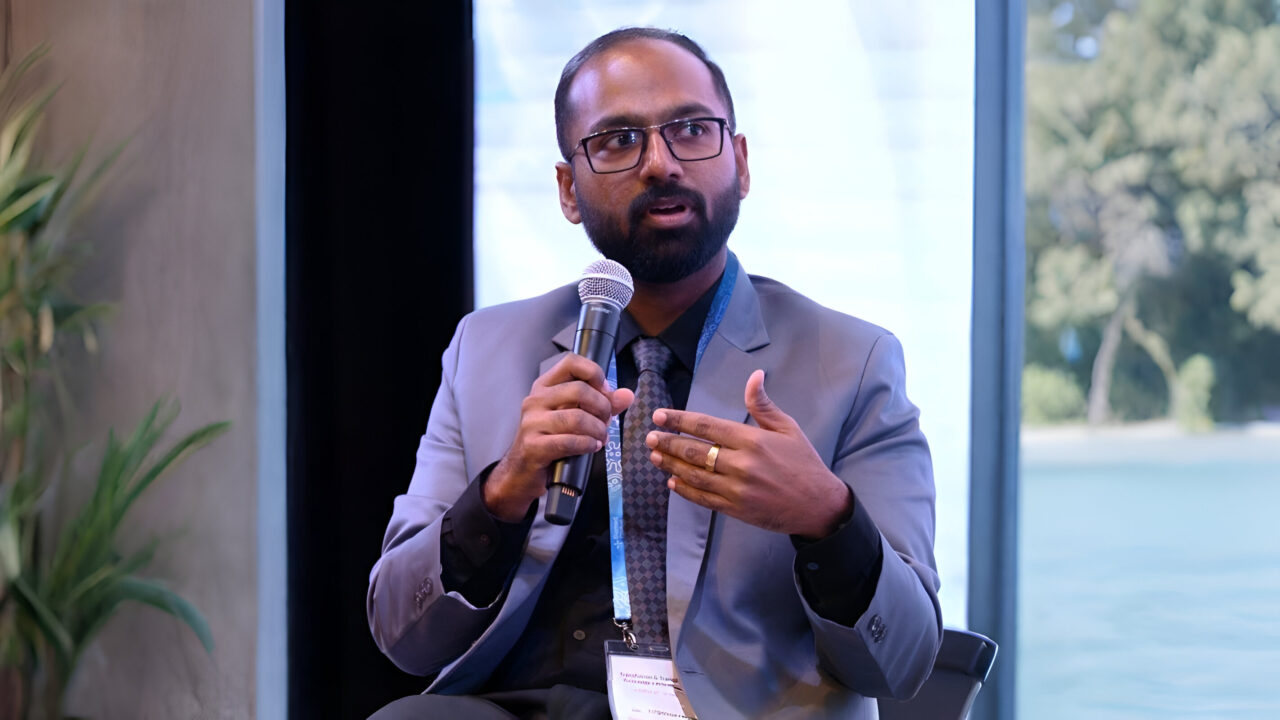
Antonio Paul on Blame Game in Transplantation: HLA vs Microbes
Antonio Paul, Head of ACTIMoS- Advanced Center for Transplant Immunology and Molecular Science, shared on LinkedIn:
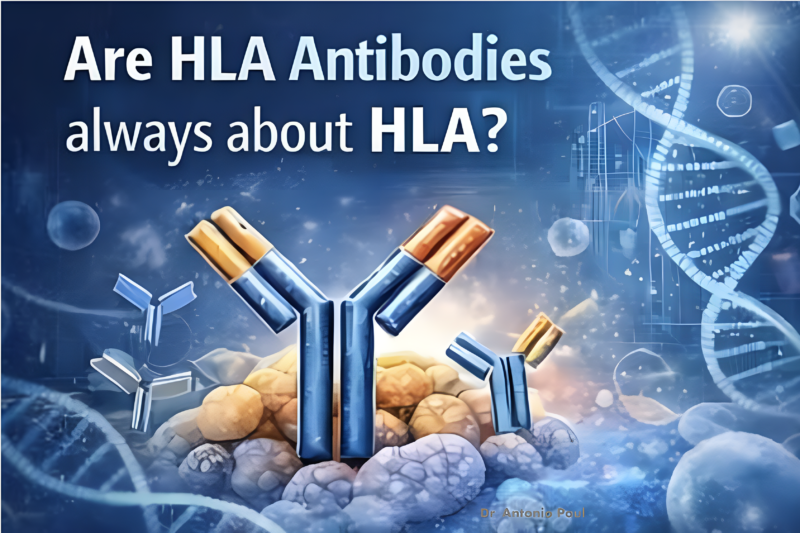
”Blame Game in Transplantation: HLA vs Microbes
What if HLA antibodies are not always about HLA?
For decades, we’ve taught that anti-HLA antibodies arise from the usual suspects:
- Prior transplants
- Blood transfusions
- Pregnancy
But many patients develop de novo anti-HLA antibodies without any classic sensitization history.
Growing evidence suggests another culprit: Infections.
What’s happening?
Microbes can trigger HLA antibodies through several mechanisms:
- Molecular mimicry – Microbial antigens may resemble HLA epitopes, leading to cross-reactive antibodies.
- Innate immune “danger signals” – Toll-like receptor activation can break immune tolerance and promote rejection.
- Bystander B-cell activation – Cytokine surges during infection can awaken dormant HLA-reactive memory B cells.
- Polyclonal immune activation – Broad antibody expansion may occur after infections or vaccinations.
Clinical evidence shows that infections often precede:
– Increased panel reactive antibodies (PRA)
– Emergence of donor-specific antibodies (DSA)
– Higher rejection risk
– Poorer graft survival
Rethinking an old assumption
Not all HLA antibodies are born from mismatched HLA.
Some may be born from mismatched microbes.
Transplant success may depend not only on how well donors and recipients are matched, but also on which microbes the immune system remembers.”
Stay updated with Hemostasis Today.
-
Sep 29, 2026, 03:53Nahrwan Masaoodi: Iron Deficiency Can Exist Without Anemia
-
Sep 29, 2026, 03:38Muhammad Yousaf: Iron Deficiency Beyond Diet
-
Sep 29, 2026, 03:21Parvez Ahmed Chowdhury: Synthesizing Aspirin in the Organic Chemistry Lab
-
Sep 29, 2026, 03:12Ahmed Hamandi: Building the Future of Hematopoietic Transplantation in Iraq
-
Sep 29, 2026, 03:09M V Chandrakanth: Aspirin in CRC – Old Drug, New Precision Oncology?
-
Sep 29, 2026, 03:07Caroline Pothet: Advancing Treatment Development in Sickle Cell Disease and Thalassaemia
-
Sep 29, 2026, 02:53Astha Jain: Thalassemia Care Through a Public Health Lens
-
Sep 29, 2026, 02:50Emma Groarke: Starting a New Career Path in Homeland
-
Sep 28, 2026, 19:14Aditya Sharma: An Outstanding Start to the Final Day of VSS 2026!