


Asif Sohrab on Artificial Sweeteners’ Association with Increased Blood Clotting Risk
Asif Sohrab, Owner and Founder of Doctor ASKY, shared on LinkedIn:
”Artificial sweeteners and sugar substitutes might seem like a healthier choice because they have fewer or no calories, but recent research shows it’s not that simple.
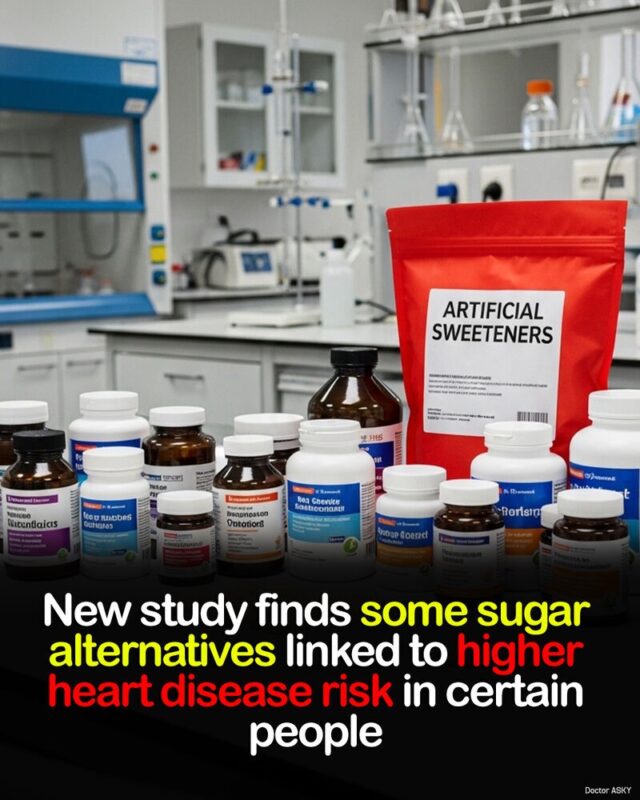
A study published in Arteriosclerosis, Thrombosis and Vascular Biology found that erythritol—a popular sugar alcohol used in many “sugar-free” products—can increase blood clotting, a risk factor for heart disease.
This is different from regular sugar, and while the study was small and doesn’t prove cause and effect, it raises concerns, especially since many people with higher heart risk (like those with obesity or diabetes) use these substitutes thinking they’re safer.
This adds to earlier research that links erythritol to cardiovascular risks.
Artificial sweeteners come in different types: classic ones like aspartame and sucralose, sugar alcohols like erythritol and xylitol, and novel sweeteners like stevia and monk fruit.
While the FDA generally considers them safe, they come with both pros and cons.
On the plus side, they can help control blood sugar for diabetics, protect dental health by not feeding cavity-causing bacteria, and may assist short-term weight control by reducing calorie intake.
However, the World Health Organization warns they don’t work well for long-term weight loss.
On the downside, some sweeteners might harm gut health by disrupting good bacteria, cause digestive issues like bloating or cramps, and even increase cravings for sweets, confusing the body’s appetite control.
Some studies also suggest that frequent use of artificial sweeteners might lead to weight gain over time, possibly due to metabolic changes or people compensating by eating more calories elsewhere.
Since the long-term effects of sugar substitutes aren’t fully understood, the best advice is to use them in moderation, listen to how your body reacts, and talk with your doctor about the best choices for your health.
Whole foods—like fresh fruit—are usually the better option.
Ultimately, the goal is to balance health needs with enjoying your food.”
Stay updated with Hemostasis Today.
-
Oct 9, 2026, 15:27Mohamed Hegazi: Geostatistical Modelling Maps Global β-Thalassaemia Carrier Prevalence
-
Oct 9, 2026, 15:15Maha Othman: Uncovering the Consensus on TXA in TBI – Call for Collaboration on a Landmark Umbrella Review
-
Oct 9, 2026, 15:07Daniel D. Han: How Inhalation Product Exposure Impairs Cardiac and Platelet Recovery After MI
-
Oct 9, 2026, 14:58William Toole: How Ultrasound-Guided PRP Therapy Relieves Joint and Tendon Pain
-
Oct 9, 2026, 14:50Shayan Mohammadmoradi: In Corpus Christi for the 20th Midwest Platelet Conference
-
Oct 9, 2026, 14:37Tariq Tramboo: High Platelet Concentrate for Osteoarthritis Knee – Recent Meta-Analyses
-
Oct 9, 2026, 14:26Yousma Khan: Hematology Series – Beyond RBCs, WBCs and Platelets
-
Oct 9, 2026, 14:13Jesus Ardila Novoa: Why the WHO’s Historic Essential Medicines List Decision Is Just the Beginning
-
Oct 9, 2026, 14:07Chokri Ben Lamine: Pain After Allogeneic Stem Cell Transplantation in Sickle Cell Disease