


Abdulrahman Nasiri: Significant Shifts In The 2026 AHA/ACC Guidelines for Acute Pulmonary Embolism
Abdulrahman Nasiri, Assistant Professor of Medicine and Hematology at Imam Mohammad Ibn Saud Islamic University, shared on LinkedIn about the new AHA/ACC guideline by Mark A. Creager et al, adding:
“Major Clinical Update: The 2026 AHA/ACC Guidelines for Acute Pulmonary Embolism
For my colleagues in Hematology, Internal Medicine, and Cardiology, the newly released 2026 AHA/ACC/ACCP/ACEP/CHEST/SCAI/SHM/SIR/SVM/SVN Guidelines for the Management of Acute Pulmonary Embolism introduce significant shifts that directly impact our daily clinical decision-making and patient protocols.
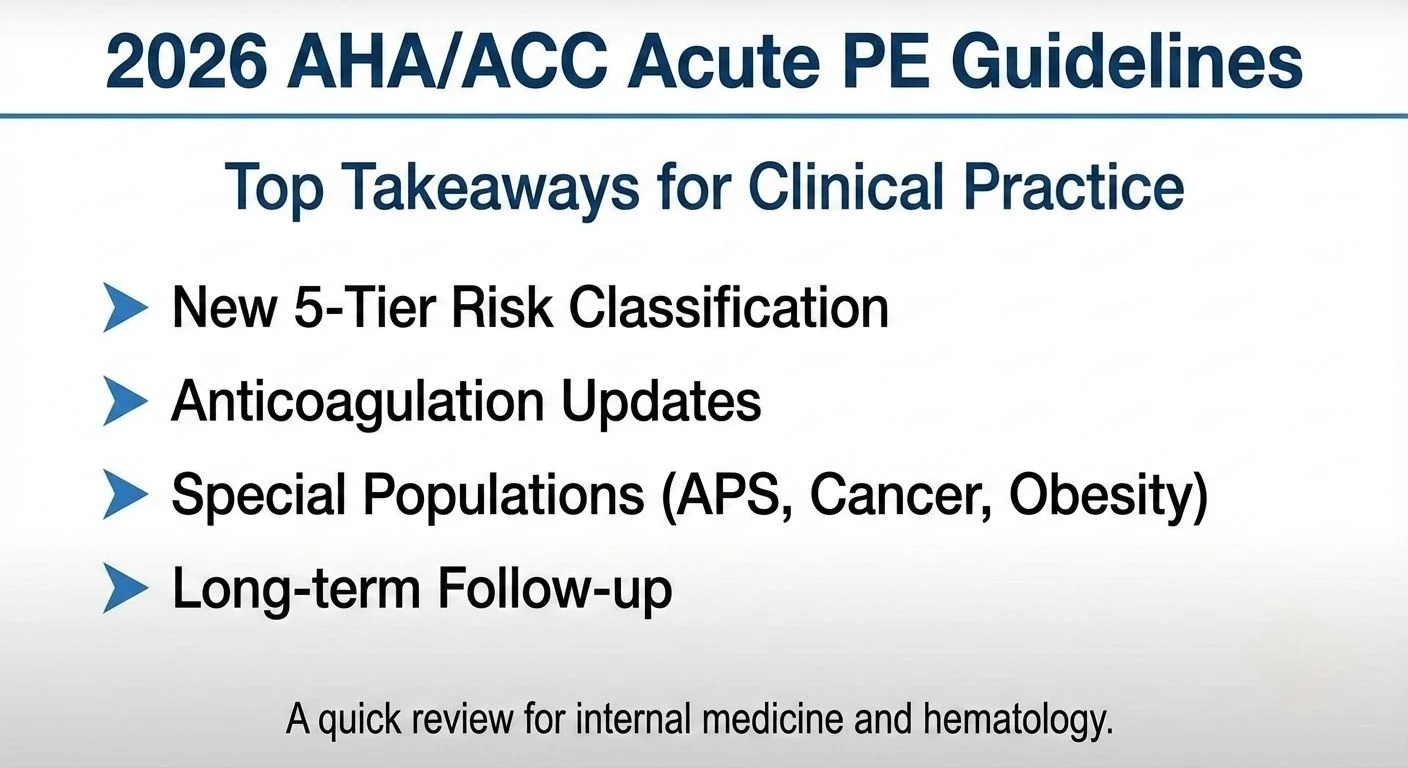
Here are the top takeaways:
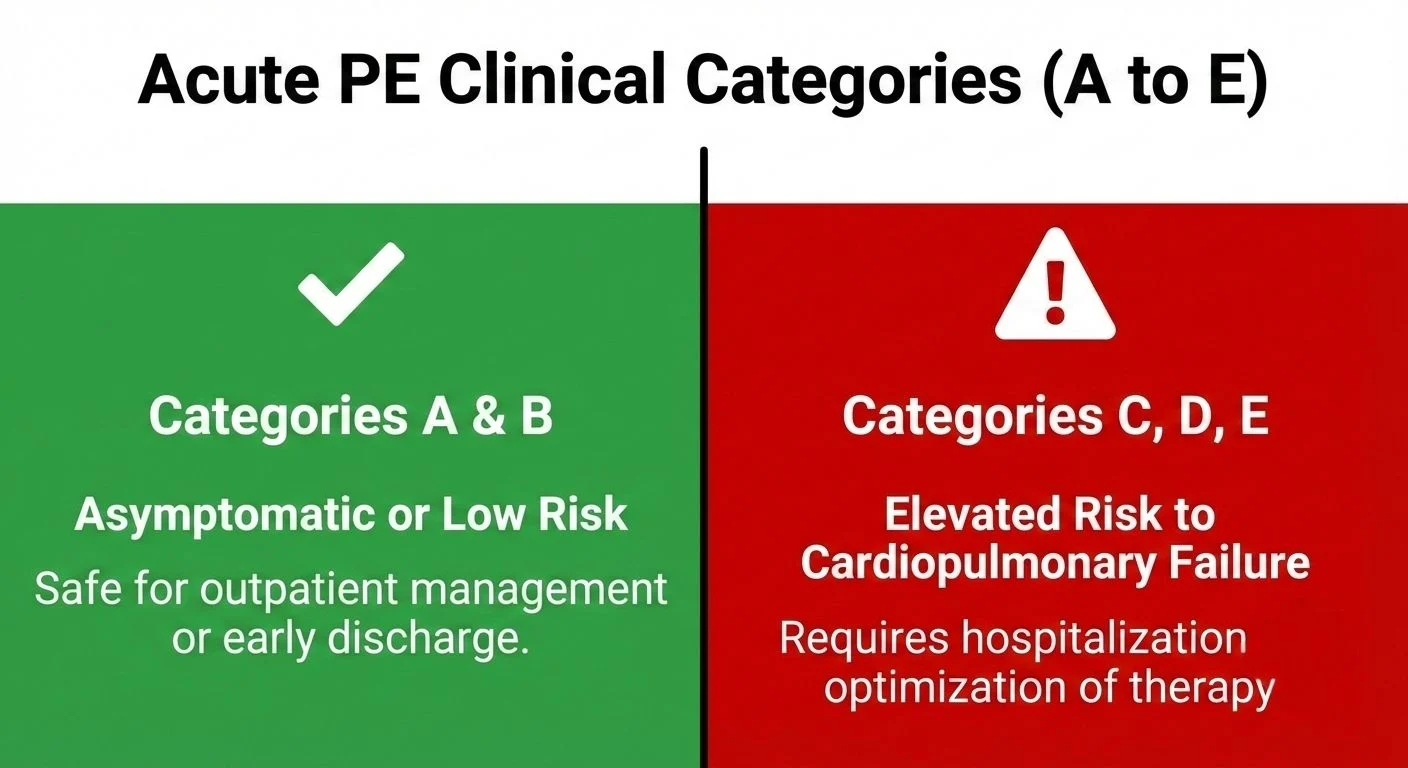
1. A New Era of Risk Stratification (Categories A-E)
Move over, simple ‘massive/submassive.’ The guidelines introduce a precise 5-tier Acute PE Clinical Categories system.
This integrates hemodynamics, biomarkers, and RV imaging to clearly delineate patients safe for outpatient management (Categories A and B) from those requiring hospitalization and potential advanced therapies (Categories C, D, E).
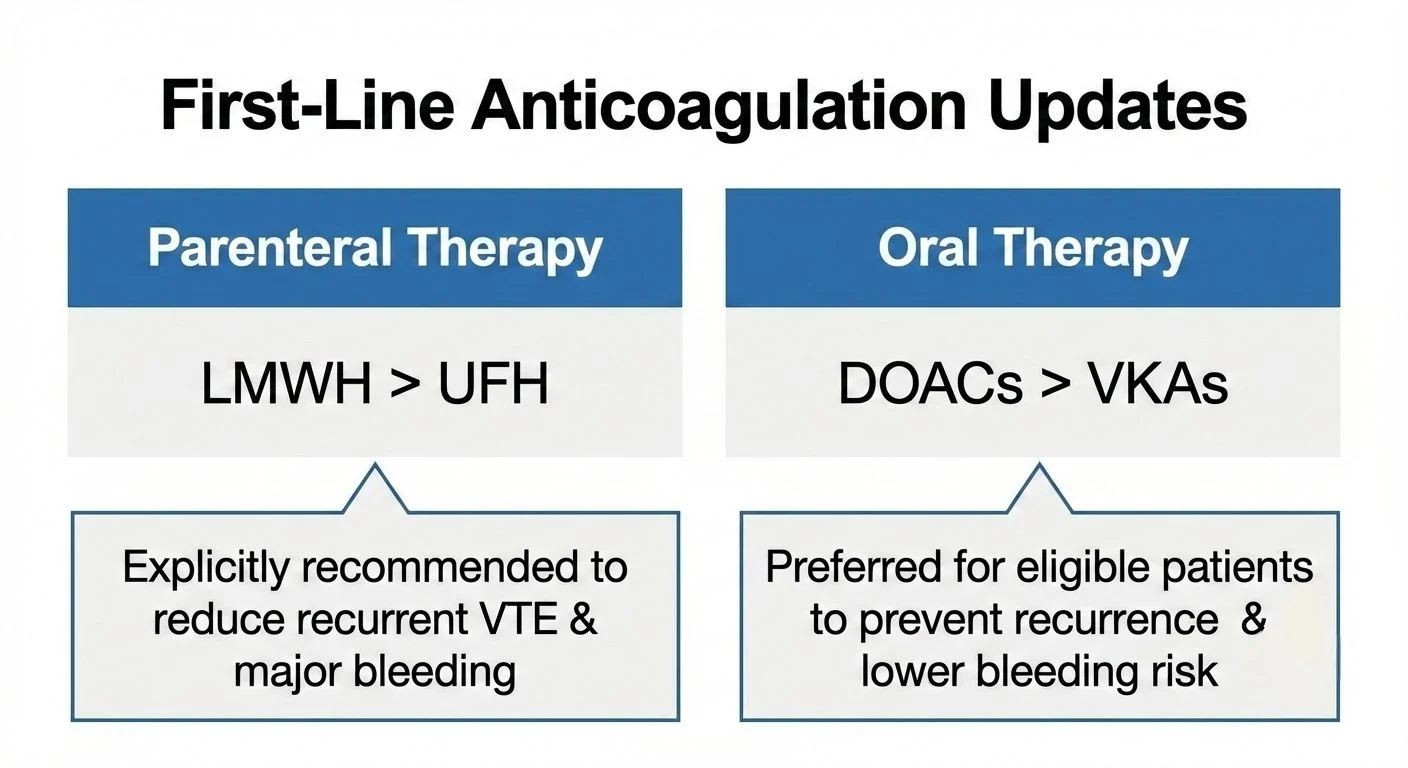
2. Anticoagulation Shifts (Crucial for Hematology)
- Oral: Direct Oral Anticoagulants (DOACs) are now unequivocally preferred over VKAs for eligible patients to prevent recurrence and reduce bleeding risk.
- Parenteral: When initial parenteral therapy is needed, Low-Molecular-Weight Heparin (LMWH) is explicitly recommended over UFH.
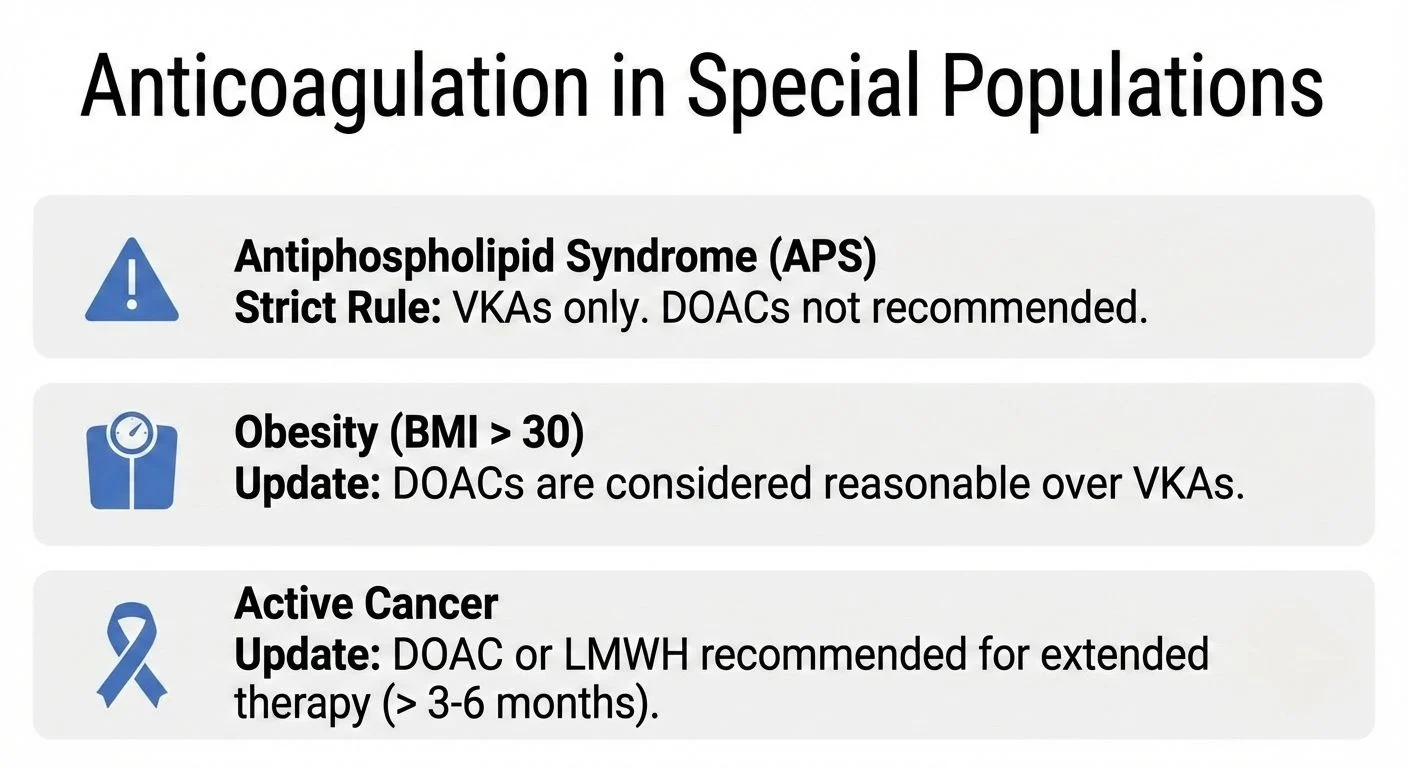
3. Special Populations Demand Specific Strategies.
The guidelines provide sharp clarity on complex cases:
- Antiphospholipid Syndrome (APS): A strict recommendation remains: VKAs only. DOACs should be avoided.
- Obesity and Cancer: DOACs are now considered reasonable over VKAs for obese patients (BMI >30) and are recommended alongside LMWH for extended cancer-associated thrombosis treatment.
4. The ‘Long Game’ and CTEPD Screening
The job isn’t done at discharge.
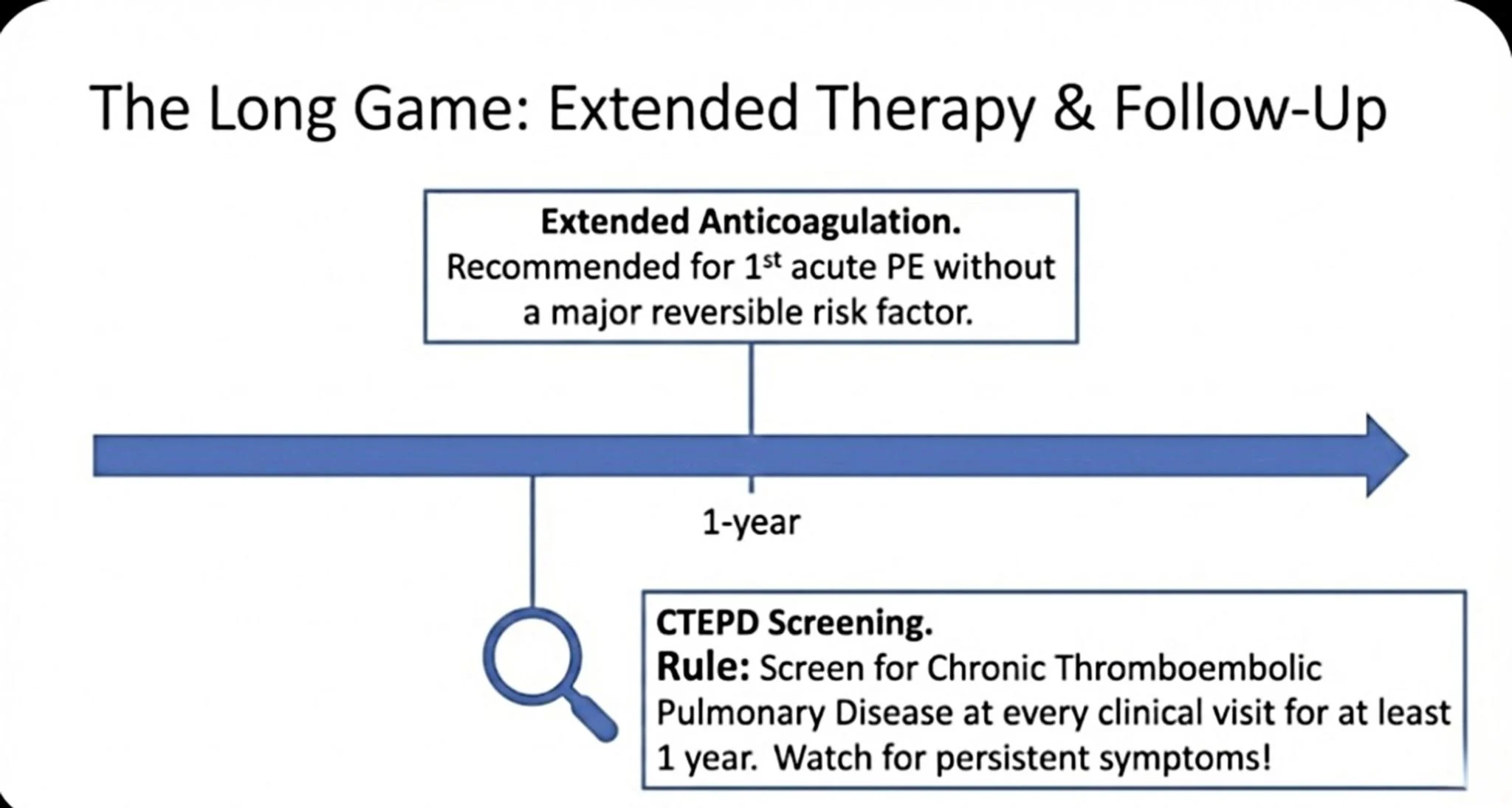
Extended anticoagulation is recommended for unprovoked first PE.
Crucially, we must screen for Chronic Thromboembolic Pulmonary Disease (CTEPD) at every clinical visit for at least one year post-PE.
5. Systems of Care
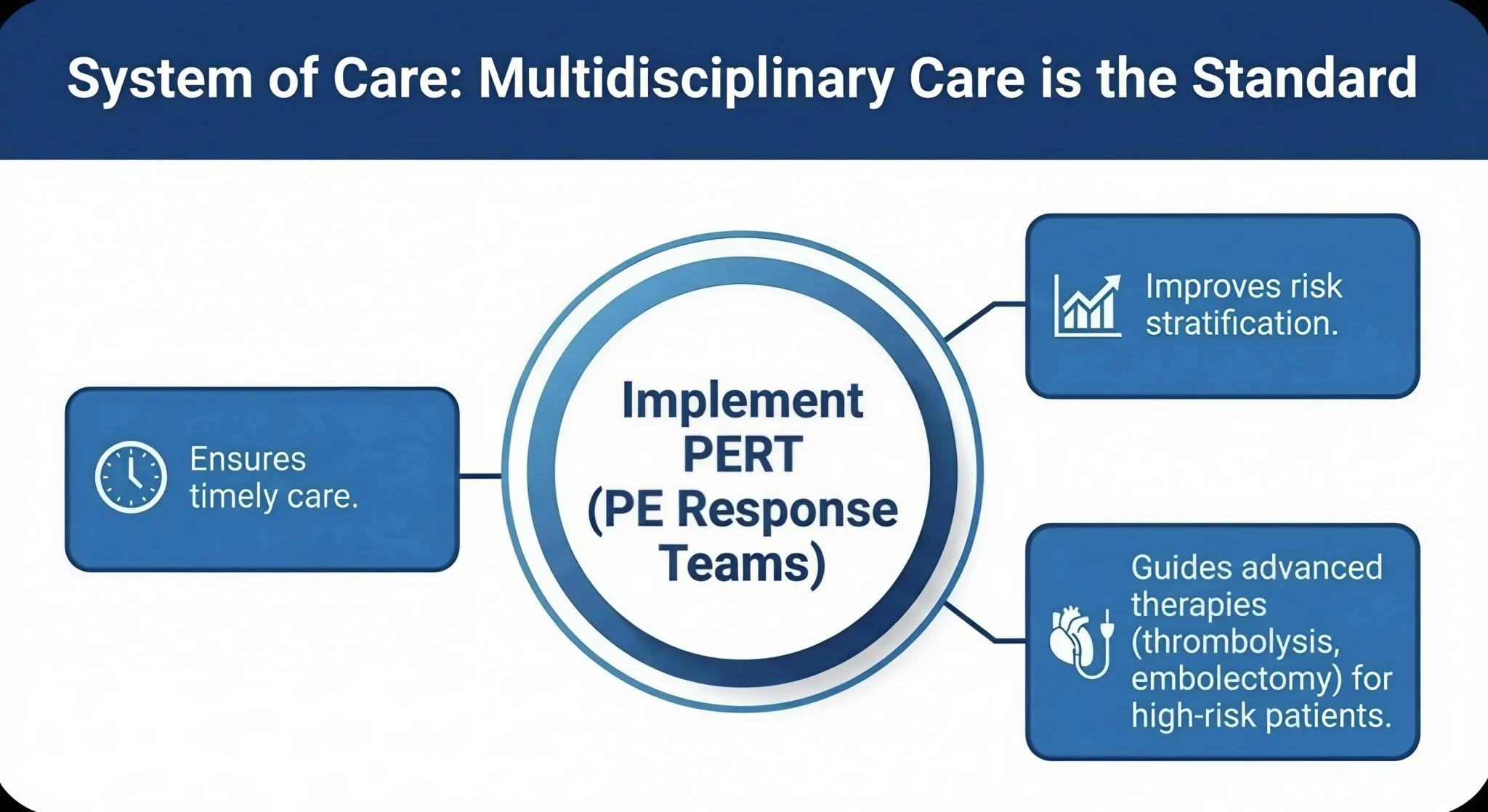
The standard of care is now multidisciplinary.
The implementation of PE Response Teams (PERTs) is highly recommended to ensure timely, risk-stratified interventions for high-risk patients.
Swipe through the slides below for a visual summary of these key updates.
These changes represent a significant move toward more personalized, risk-adapted thrombosis care.”
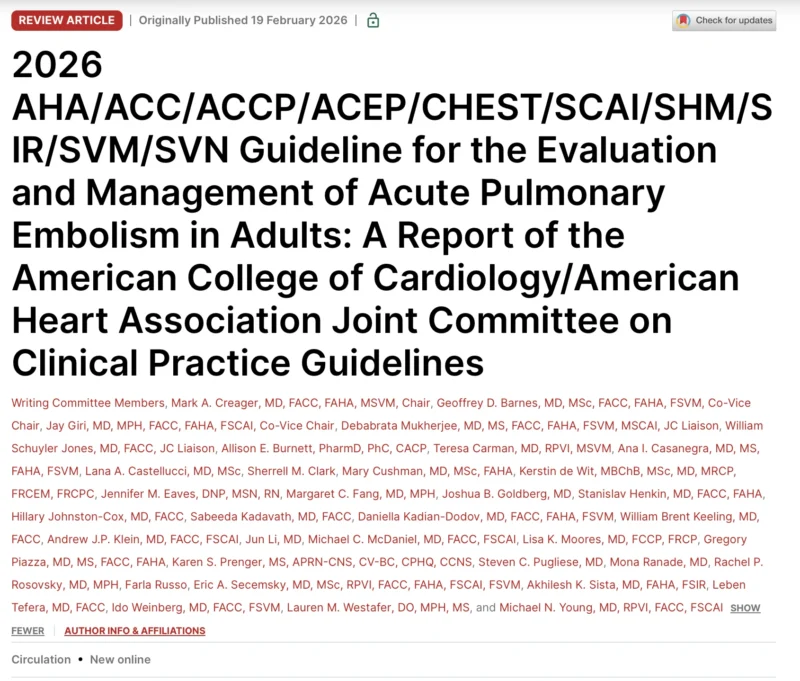
Title: 2026 AHA/ACC/ACCP/ACEP/CHEST/SCAI/SHM/SIR/SVM/SVN Guideline for the Evaluation and Management of Acute Pulmonary Embolism in Adults: A Report of the American College of Cardiology/American Heart Association Joint Committee on Clinical Practice Guidelines
Authors: Mark A. Creager, Geoffrey D. Barnes, Jay Giri, Debabrata Mukherjee, William Schuyler Jones, Allison E. Burnett, Teresa Carman, Ana I. Casanegra, Lana A. Castellucci, Sherrell M. Clark, Mary Cushman, Kerstin de Wit, Jennifer M. Eaves, Margaret C. Fang, Joshua B. Goldberg, Stanislav Henkin, Hillary Johnston-Cox, Sabeeda Kadavath, Daniella Kadian-Dodov, William Brent Keeling, Andrew J. P. Klein, Jun Li, Michael C. McDaniel, Lisa K. Moores, Gregory Piazza, Karen S. Prenger, Steven C. Pugliese, Mona Ranade, Rachel P. Rosovsky, Farla Russo, Eric A. Secemsky, Akhilesh K. Sista, Leben Tefera, Ido Weinberg, Lauren M. Westafer, Michael N. Young
Read the Full Article on Circulation
Stay updated on all scientific advances with Hemostasis Today.
-
Sep 30, 2026, 22:28Recent Mechanical Risk Factors and Young-Onset Cryptogenic Ischemic Stroke – American Heart Association International
-
Sep 30, 2026, 22:22Expert Consensus on Inferior Vena Cava Thrombosis – Thrombosis and Haemostasis Journal
-
Sep 30, 2026, 22:21Markus Abeln: How Platelets and Complement Shape Placental Blood Flow
-
Sep 30, 2026, 22:19Fatma Al Arbawi: Studying Blood Clot Mechanics to Understand Aspirin Resistance and Thrombosis
-
Sep 30, 2026, 22:17Sudhir Kumar: Stroke is a Medical Emergency – and Every Minute Matters
-
Sep 30, 2026, 22:15Luisa Medeiros Visentini: Our Research on Cognitive Impairment After CVT Cited in the International Journal of Stroke
-
Sep 30, 2026, 21:50Jagat Narula: Connecting Cardiovascular Health and Sickle Cell Disease on World Heart Day 2026
-
Sep 30, 2026, 21:38John Kastelein: Exploring the Biology of Cardiovascular Disease at BioCentury Grand Rounds Europe
-
Sep 30, 2026, 21:36Mark Murphy: Irish Heart Foundation Meets With Senator Teresa Costello on World Heart Day