

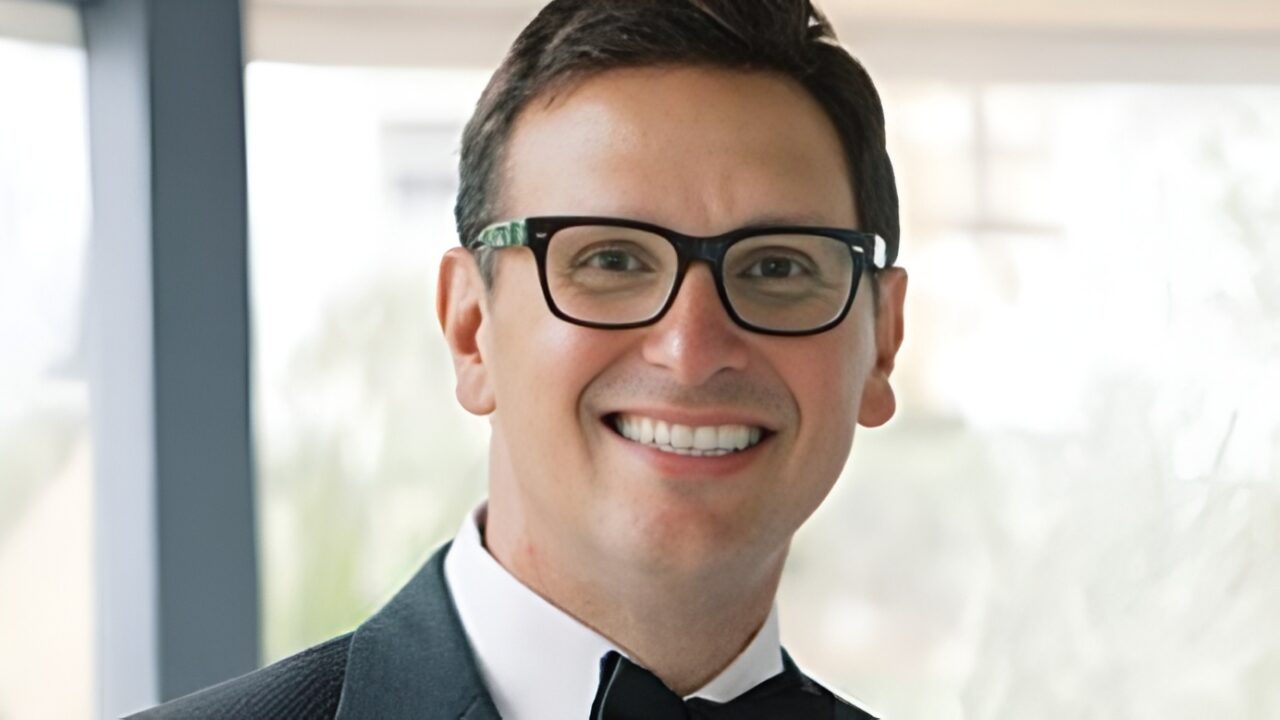
John Chuback – Blood Clots: The Silent Killer
John Chuback, Founder of Vein and Lymphatic Summit, posted on LinkedIn:
”Blood clots can turn deadly in minutes, yet most people don’t know the signs.
They can form after sitting too long on a flight, from an injury, or even following surgery. What many don’t realize is that blood clots don’t always cause pain. Sometimes there are no clear symptoms until it is too late.
A clot in the leg, called deep vein thrombosis (DVT), can break off and travel to the lungs. This is known as a pulmonary embolism, and it can kill very quickly.
The warning signs are critical to recognize. Swelling in one leg, sudden sharp chest pain, trouble breathing, coughing up blood, or feeling faint and lightheaded should never be ignored.
If someone has recently had surgery or been sitting for long hours and suddenly develops chest pain or shortness of breath, act immediately. Go to the emergency department and say, “I’m worried this could be a blood clot.”
Every minute matters. Knowing the signs and responding quickly can save lives.
Watch my full breakdown here.
What do you think? Do most people underestimate how dangerous blood clots really are?”
Stay updated with Hemostasis Today.
-
Oct 13, 2026, 14:21Britta Diebel: Reflections on an Unforgettable International Plasma Awareness Week
-
Oct 13, 2026, 14:14ESPHO at MAX Cancer Congress 2026: Advancing Ethiopian Pediatric Oncology on the Global Stage
-
Oct 13, 2026, 14:05Antonella Cordoba: WFH Representatives Visit the Hemophilia Foundation of Argentina
-
Oct 13, 2026, 13:56John Strouse: Screening for FNAIT – What HDN Teaches Us About Preventing Newborn Intracranial Hemorrhage
-
Oct 13, 2026, 12:29Mariam Al Mansoori: 5th International Hemophilia Conference
-
Oct 13, 2026, 12:13Hemophilia Outreach of Wisconsin Attends VWD Connect Conference
-
Oct 13, 2026, 11:41Abhishek Kumar: How Three Hemophilia Patients Helped Secure Life-Saving Treatment in Bihar
-
Oct 13, 2026, 11:24Brandon Daniel D’Costa: Building Stronger Stakeholder Relationships Through Empathy and Open Communication
-
Oct 13, 2026, 11:08Renel Tique: 5th International Conference on Hemophilia and Rare Bleeding Disorders