


Mohamed Rawy/LinkedIn
Dec 29, 2025, 07:20
Mohamed Rawy: VTE Recommendations in Critical Care Patients
Mohamed Rawy, Hospital Pharmacist at Specialized Medical Center Hospital, shared on LinkedIn:
”From Paper to Patient … Episode 2 ( Part 1 )
Venous Thromboembolism recommendations in Critical Care Patients
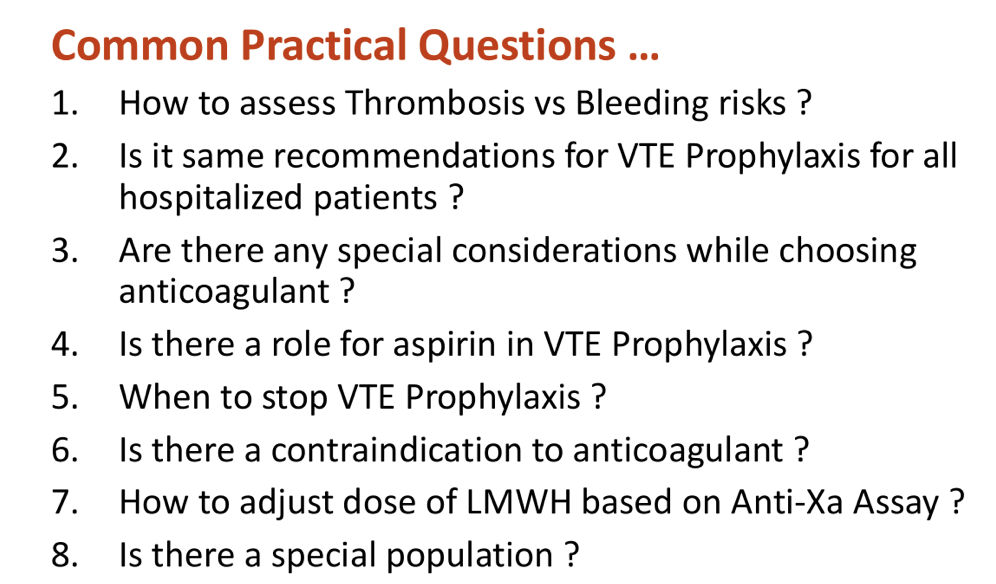
- First, pharmacologic thromboprophylaxis remains the cornerstone of VTE prevention in ICU
- Second, LMWH is generally preferred over UFH since that LMWH probably reduces DVT compared to UFH
- The dosing definitions encom passed a range of doses rather than a single fixed dose , The authors suggested that using an intermediate dose
of LMWH (e.g., enoxaparin 40–60 mg daily) was associated with a more favorable risk–benefit profile for VTE prevention compared to lower doses (e.g., < 40 mg daily, low-to-moderate certainty). Additionally, intermediate
dose unfractionated heparin (total daily dose > 10,000 IU) was associated with a higher likelihood of major bleeding (low-to-moderate certainty) - Fourth, when using LMWH for thromboprophylaxis, there is no need for routine monitoring of anti-Factor Xa (aFXa) levels. However, in selected patients, such as those with renal impairment, severe obesity or under
weight, aFXa levels could be used to guide dosing - Fifth, intermittent pneumatic compression should be used in patients who cannot receive pharmacologic thromboprophylaxis
- Sixth, there is no added benefit of routinely using intermittent pneumatic compression in patients already receiving appropriate pharmacologic thromboprophylaxis
- Seventh, intermittent pneumatic compression reduces the incidence of DVT when compared to graduated compression stockings (GCS) based on low certainty of evidence
- Eighth, intensivists should carefully balance the benefits of preventing VTE against the risk of bleeding
- Ninth, thromboprophylaxis in the ICU can be discontinued once the patient is no longer at high risk for VTE
- Tenth, certain clinical scenarios warrant specific VTE regimens, which should be guided by dedicated evidence-based references
Reference:
Springer 2025
Venous thromboprophylaxis in the ICU navigating evidence, risk, and practice gaps”
Stay updated with Hemostasis Today.
-
Oct 10, 2026, 02:38Brianne D.: Sex Differences in RIPK1 Signaling Following Intracerebral Hemorrhage
-
Oct 10, 2026, 02:17Dino Mehic: Managing Heavy Menstrual Bleeding in Patients with BDUC
-
Oct 10, 2026, 00:34Raphaëlle Dodart: Discussing the Mechanisms of Menstrual Hemostasis
-
Oct 10, 2026, 00:26Barbara Adams Krolak: Discussing the Growing Need for Blood Clot Prevention in Asia
-
Oct 9, 2026, 23:59Ana Pedrero Gil: Is Coagulopathy with Fibrinolysis Present in All Obstetric Hemorrhages?
-
Oct 9, 2026, 23:57Exploring the Psychosocial Needs of People with Bleeding Disorders in Kyrgyzstan – EAHAD
-
Oct 9, 2026, 23:53Bernard Slater Jr.: Serving on the Advisory Council for the NBDF West Virginia Chapter
-
Oct 9, 2026, 23:53Aurelio Maggio: Thalassemia Reports Real-Time Impact Factor Rises to 1.760
-
Oct 9, 2026, 23:52Stronger Connections, Stronger Organizations – World Federation of Hemophilia