

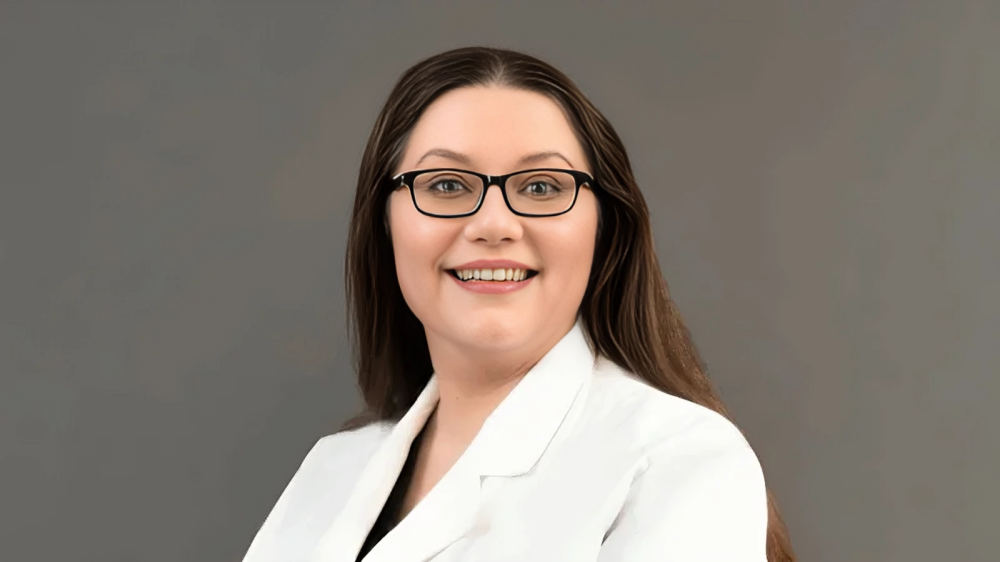
Caitlin Raymond: Plasma Chasers and the Quiet Rituals of Apheresis
Caitlin Raymond, Assistant Professor of Pathology and Transfusion Medicine at the University of Wisconsin-Madison, shared on LinkedIn:
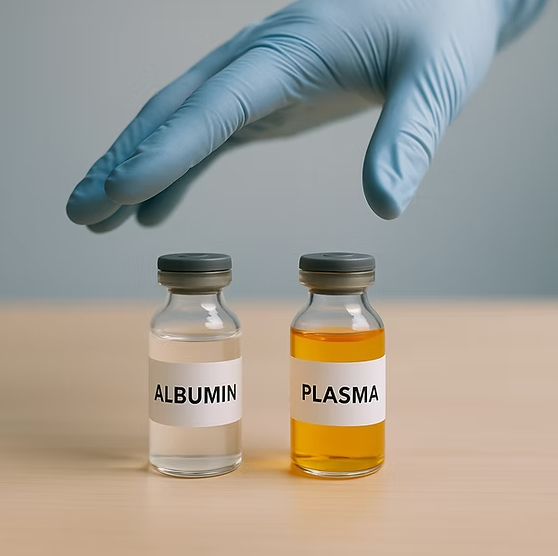
”I wrote a new piece this week about something I hadn’t encountered until I became an attending: the “plasma chaser.”
It’s not in ASFA guidelines, not in textbooks, and not something I ever saw in residency or fellowship. But it came up twice in two days, and it made me pause and think about how we make replacement-fluid decisions after recent procedures — and how much of that work happens in the gray space where physiology, experience, and uncertainty meet.
What I found, digging into the peer-reviewed survey data, is striking:
– 8.9% of clinicians still use albumin-only replacement one day after major surgery, a number much higher than I was expecting.
– Clinicians are split about 50/50 on using albumin vs plasma for replacement fluid a day following a minor procedure.
– For a patient scenario with no bleeding risk, 5.3% of clinicians will still use plasma, also higher than I was expecting.
There’s a story in those numbers – about risk perception, about judgment, and about how small, experience-driven practices evolve when formal guidance is limited.
In my blog post, I tried to unpack this… not to prescribe a standard, but to explore how we think through these nuanced decisions and why certain rituals persist in medicine. And also where a rational, physiologic framework can help us cut through the uncertainty.
If you’re interested in the intersection of transfusion medicine, clinical reasoning, and the quiet rituals we inherit in practice, you can read the full piece here.
Would love to hear how others approach post-procedure TPE decisions in their practice – especially where your institution aligns with (or diverges from) the survey data.”
Keep up with Hemostasis Today.
-
Oct 7, 2026, 16:44Amor Salah: 2026 NCS/SCCM Guidelines for Managing Antithrombotic-Associated ICH
-
Oct 7, 2026, 16:04NETs in Thrombosis: From Mechanism to Therapeutic Target
-
Oct 7, 2026, 15:28Amir Samimi: Prognostic Value of Platelet Count in Resected HNSCC
-
Oct 7, 2026, 15:21Eloïse Laouenan: Bridging Immunity and Thrombosis in MVTE
-
Oct 7, 2026, 15:10Uthra Sundaram: Honouring Donors During International Plasma Awareness Week
-
Oct 7, 2026, 15:04Daniel Victor Ortigoza: Should Frail Older Patients With AF Switch From VKA to DOACs?
-
Oct 7, 2026, 14:53Susan Noone: Donor Turned Recipient Shares Lifesaving Transfusion Story
-
Oct 7, 2026, 14:49Aimee Burtenshaw: The Impact of the Infected Blood Inquiry on Hospital Transfusion Laboratories
-
Oct 7, 2026, 14:41Vikash Jaiswal: Does Timing Matter for Calcium in Pre-Eclampsia Prevention?