

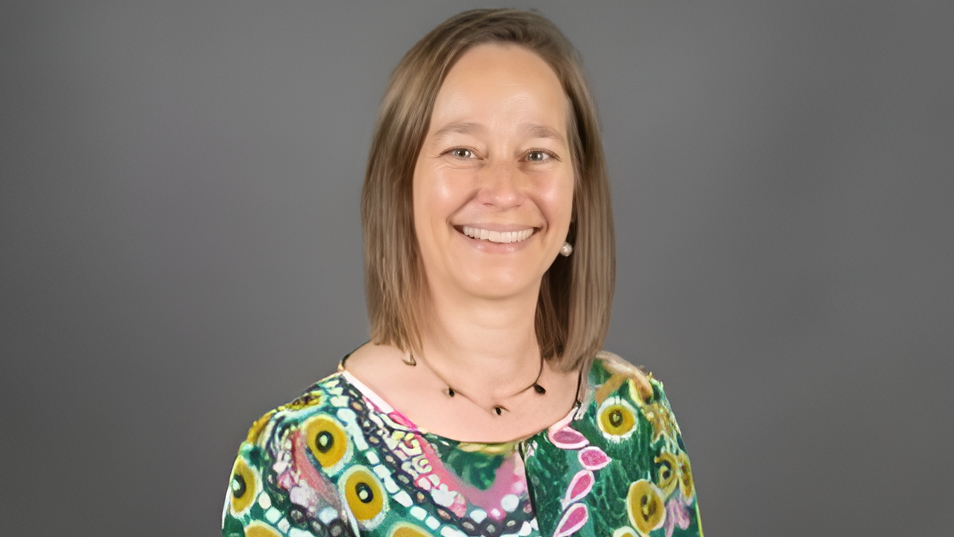
Menstrual Health Challenges in Women with SEND: Insights from Kristel Van Wauwe and UK Studies
Kristel Van Wauwe, SEND Quality Assurance Officer at Green Corridor, posted on LinkedIn:
”Research suggests that women with SEND (Special Educational Needs and Disabilities) may experience more challenges related to menstruation, including period pain, than the general population. »
Key Findings from UK Studies
According to Public Health England and other UK-based research:
• 54% of women with learning disabilities reported experiencing menstrual pain.
• Many also faced additional issues such as: Mood changes (51%)
• Heavy bleeding (30%)
• Irregular periods (27%)
• Sleep disturbances and increased seizures (in cases of epilepsy)
• Difficulty managing hygiene and knowing when to change pads
Why It Can Be Harder
• Communication barriers may prevent women from expressing pain or discomfort clearly.
• Carers and professionals may misinterpret behavioural changes during menstruation.
• Limited access to menstrual health education and tailored support can worsen the experience.
• Some women may be prescribed treatments to suppress menstruation without fully informed consent, raising ethical concerns.
What Can Help
• Accessible menstrual health education
• Supportive carers trained to recognize and respond to menstrual-related needs
• Regular medical reviews to manage pain and symptoms appropriately
• Advocacy to ensure informed choices about treatment options.”
Stay updated with Hemostasis Today.
-
Oct 17, 2026, 04:07Weihao Li: Global HEPATIC Registry Findings on Post-Transplant Arterial Thrombosis
-
Oct 17, 2026, 03:56Ghaith Abu-Zeinah: ASH Publishes 2026 Guidelines for Myelofibrosis Management in Blood Advances
-
Oct 17, 2026, 03:48Tristan Siokos: Why Vascular Occlusion Is More Than Just Clots – Breakdown of the 8 Pathways
-
Oct 17, 2026, 02:36Archil Jaliashvili: Oxygen Transport in Capillaries
-
Oct 17, 2026, 02:35Carly Newton: Understanding Access to Red Blood Cell Exchange for People Living With SCD
-
Oct 17, 2026, 02:34Raising Awareness of Blood Clots During and After Pregnancy – Thrombosis UK
-
Oct 17, 2026, 02:33Alaa Salamat: Our Research Accepted for Publication at ASH 2026
-
Oct 17, 2026, 02:32Mohammed Al Sharif: Discussing Factor XIII Testing and Its Clinical Significance
-
Oct 17, 2026, 02:31Joanna Popiolek-Kalisz: Talking about Novel Pharmacotherapy for Hypertension at CV Prevention and Intervention